
Summary
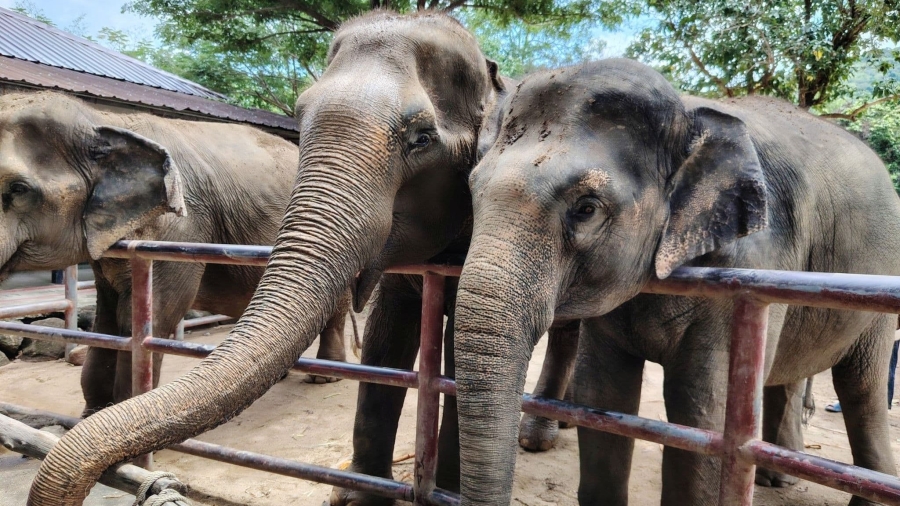
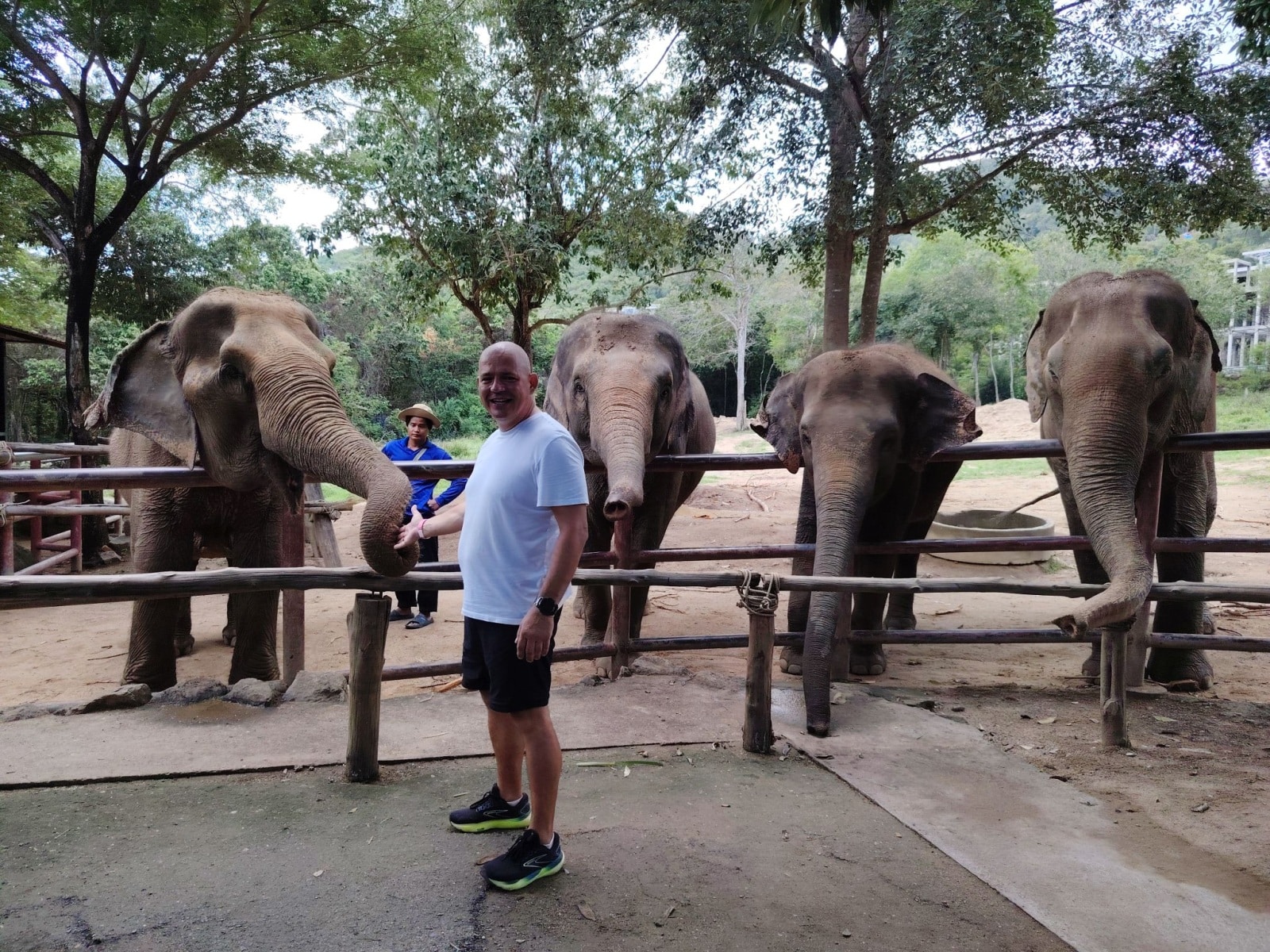
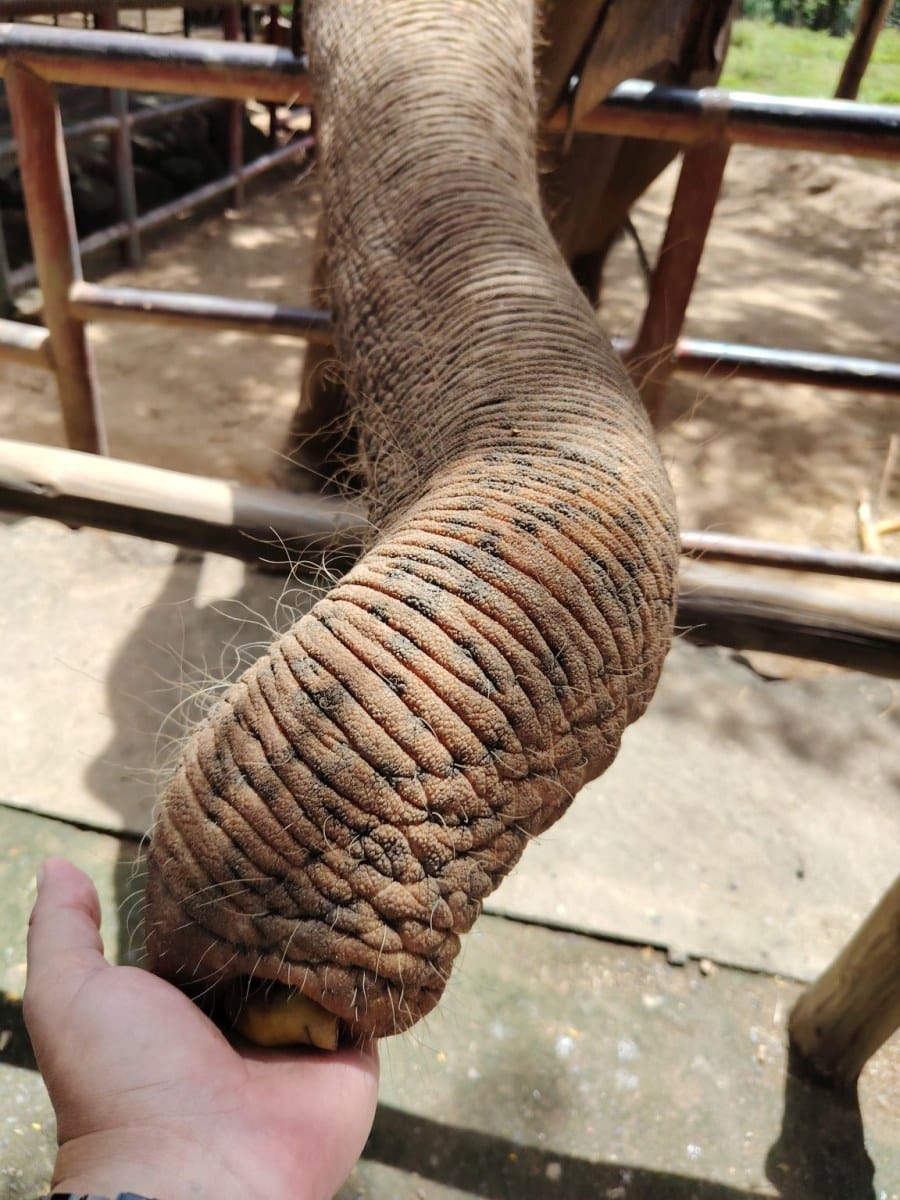
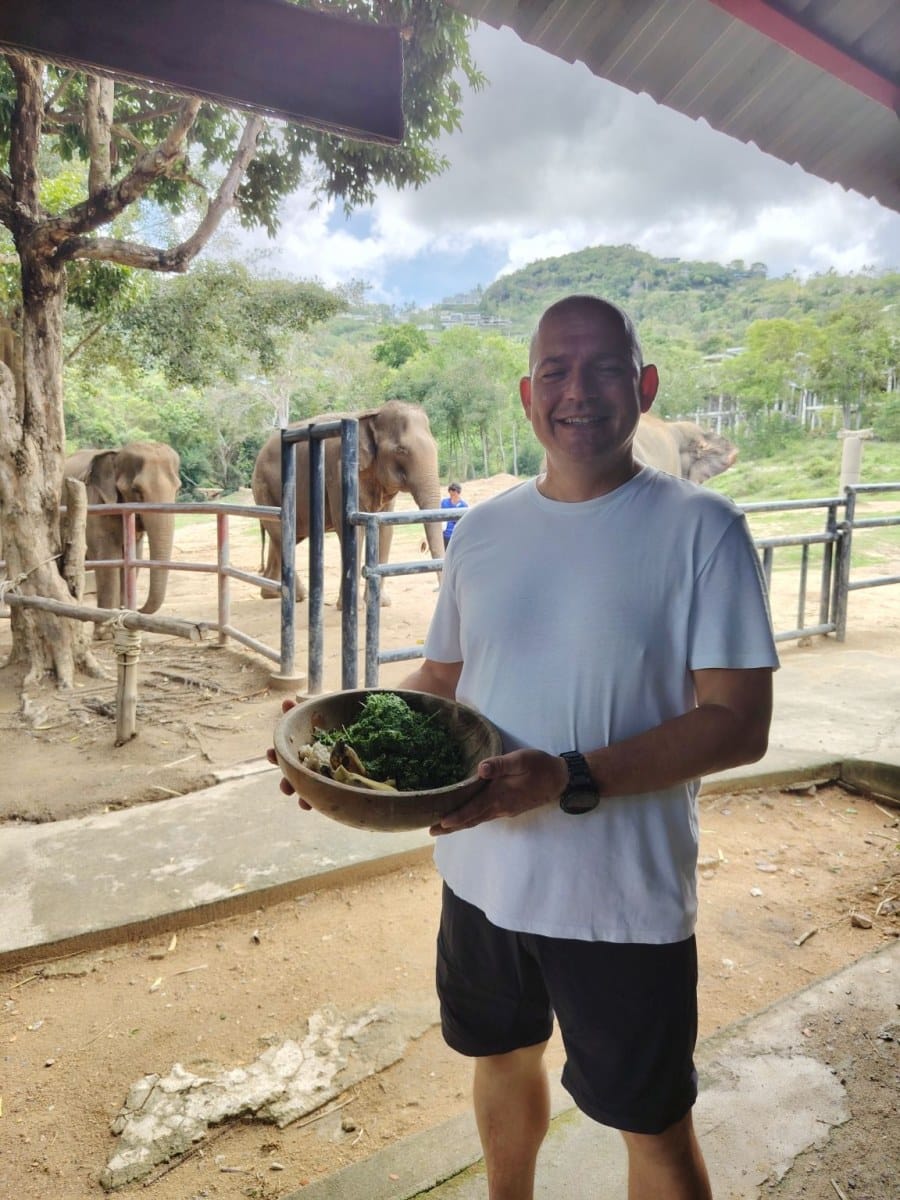
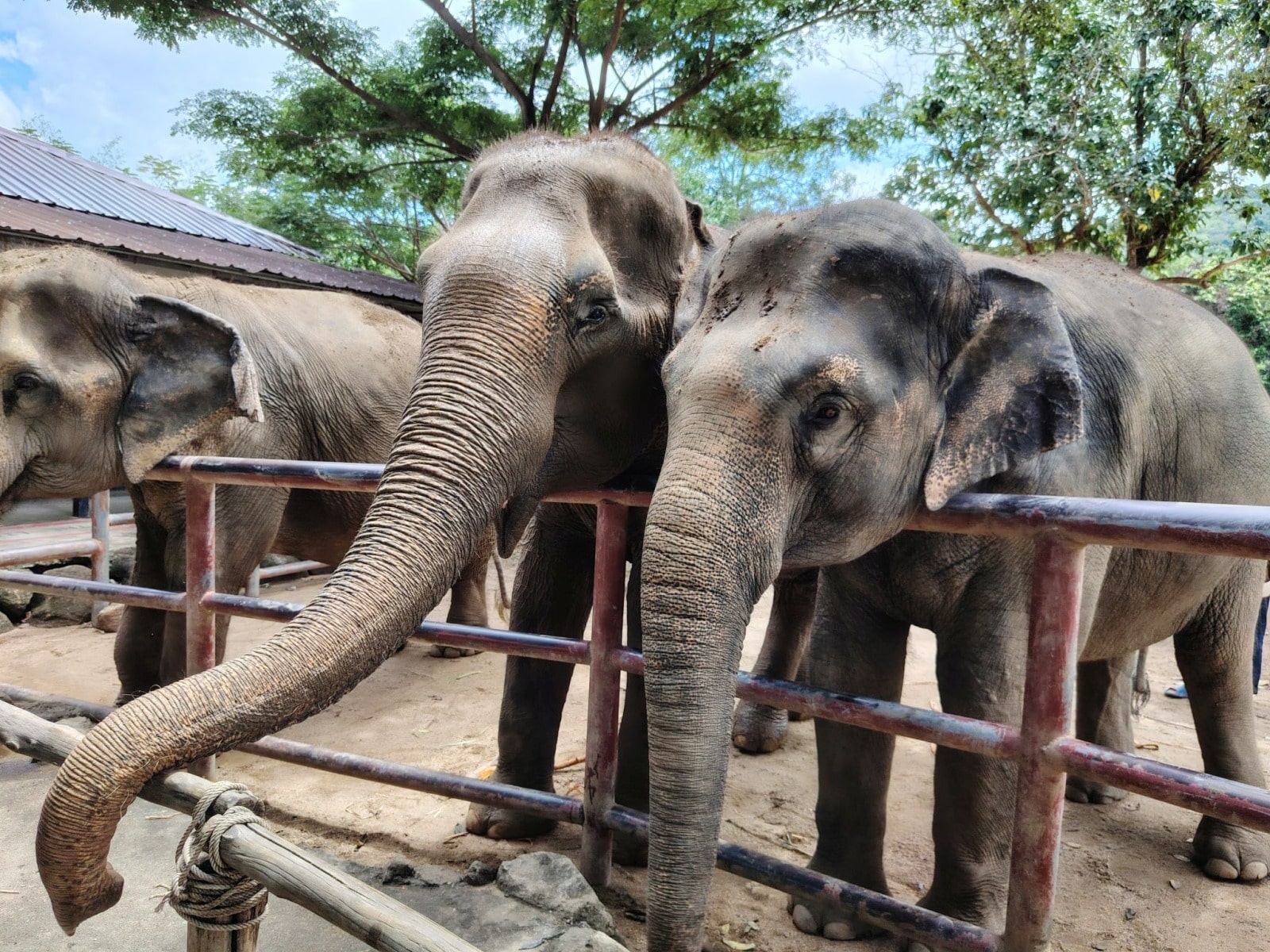
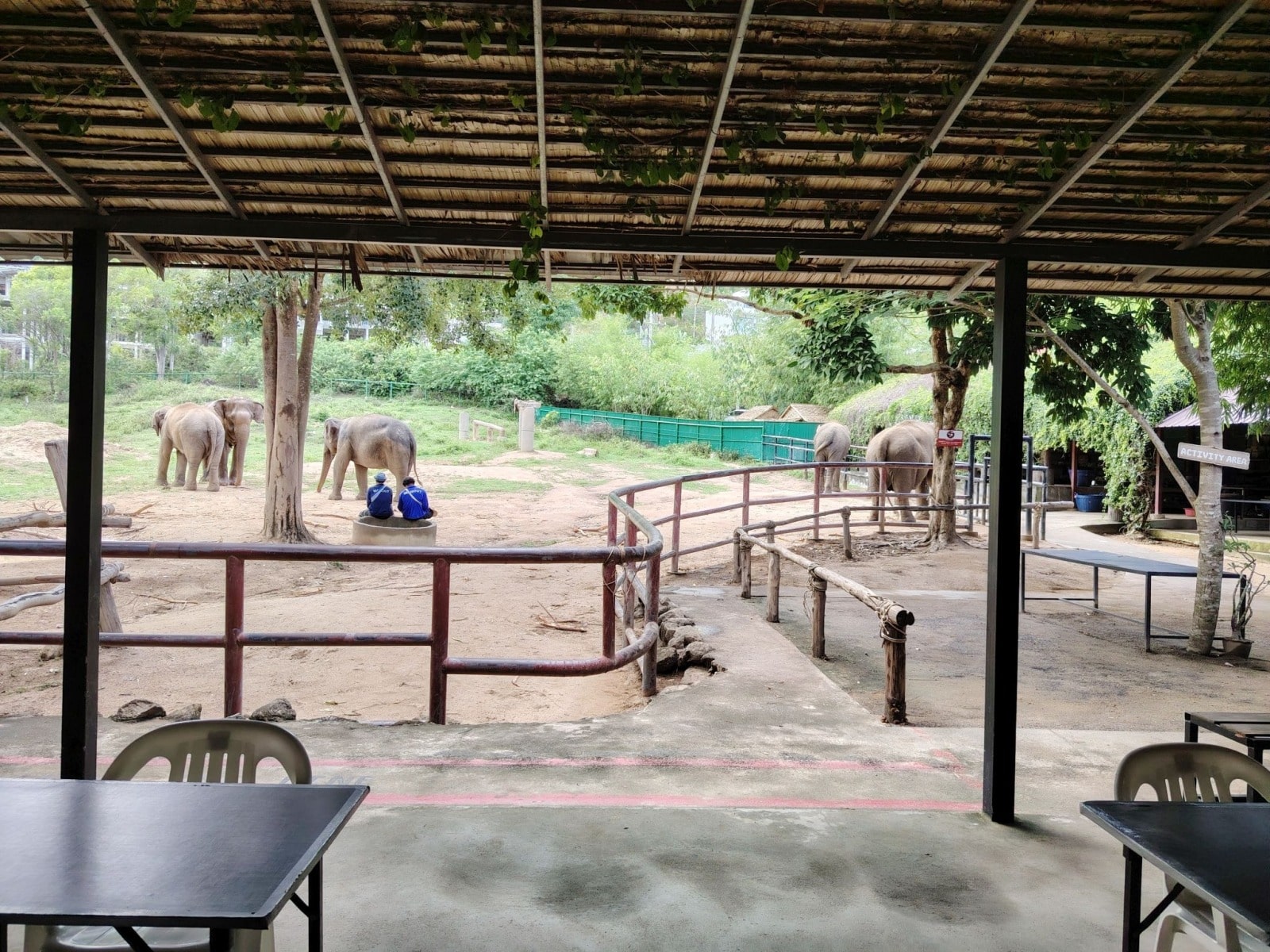
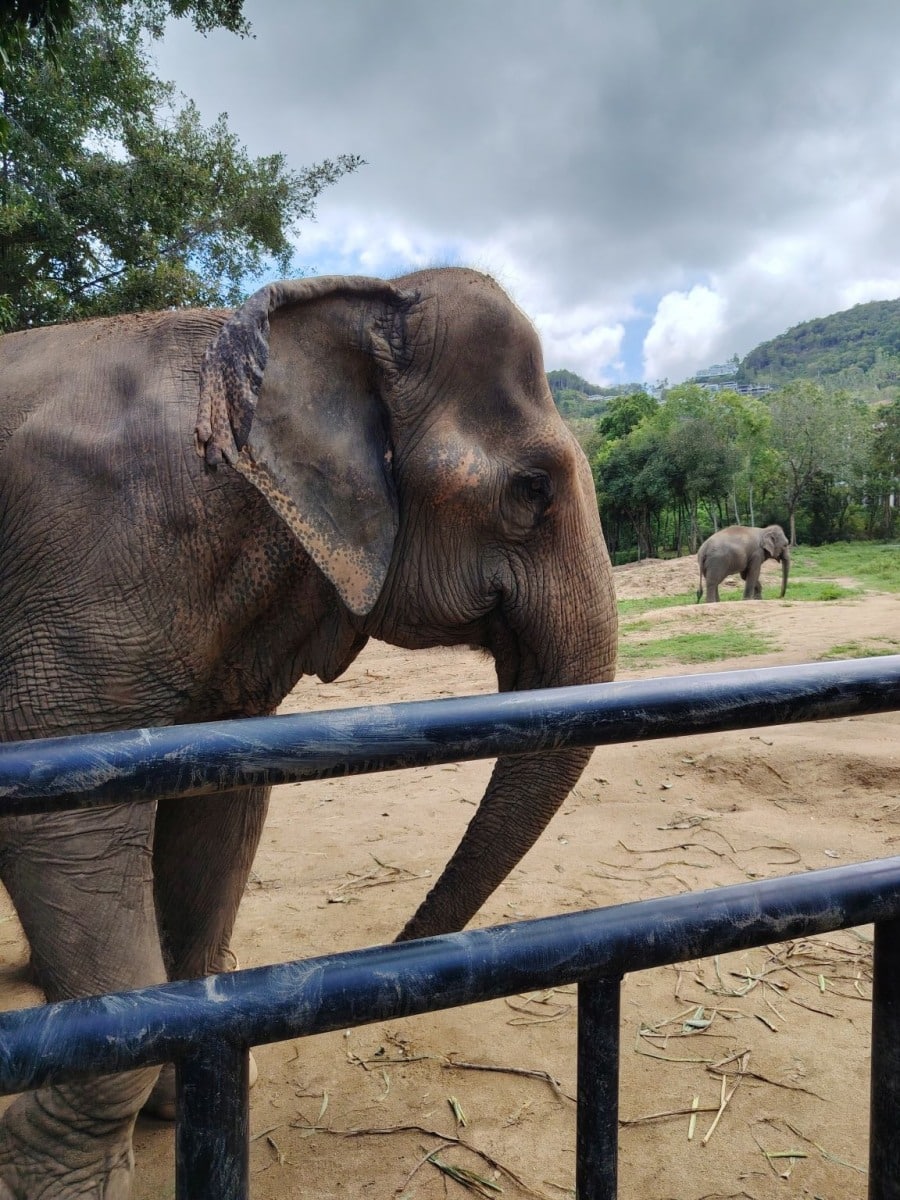
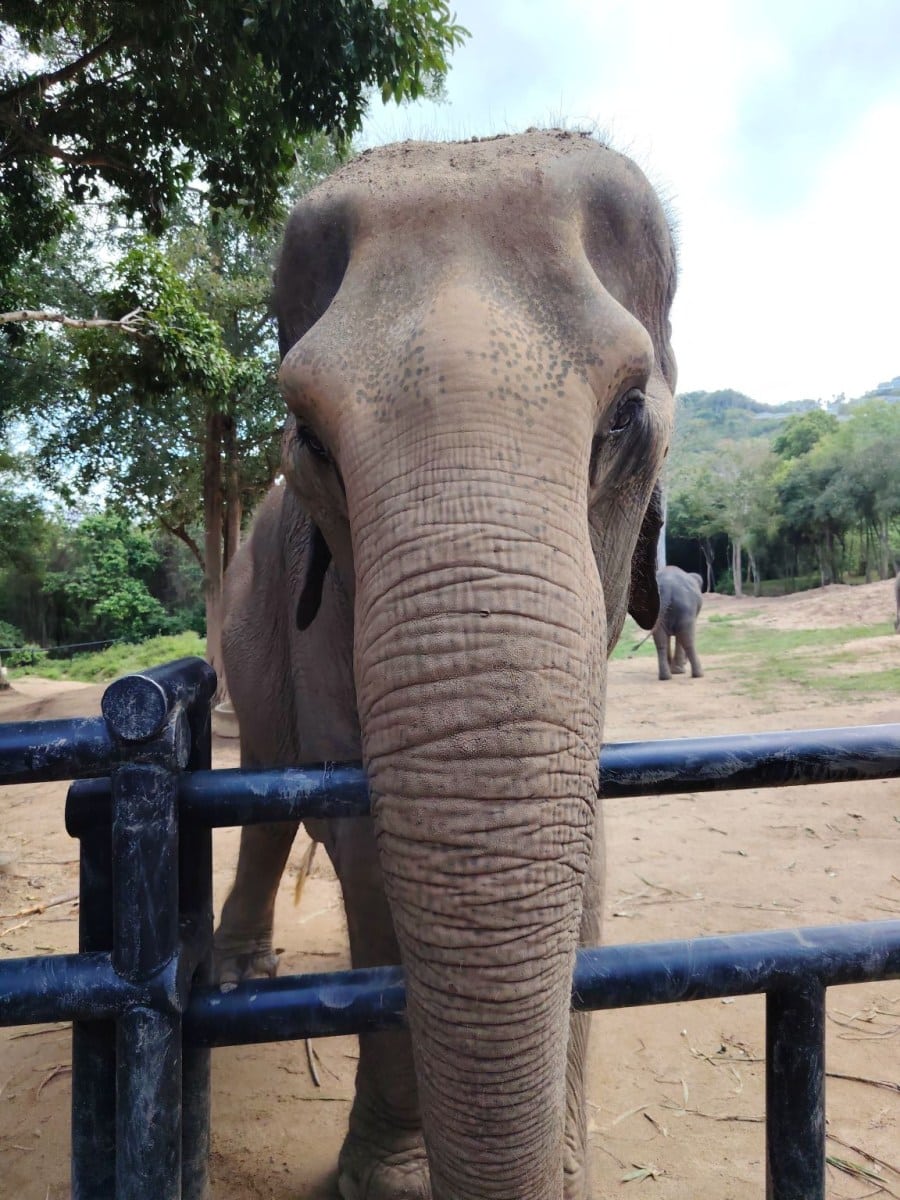
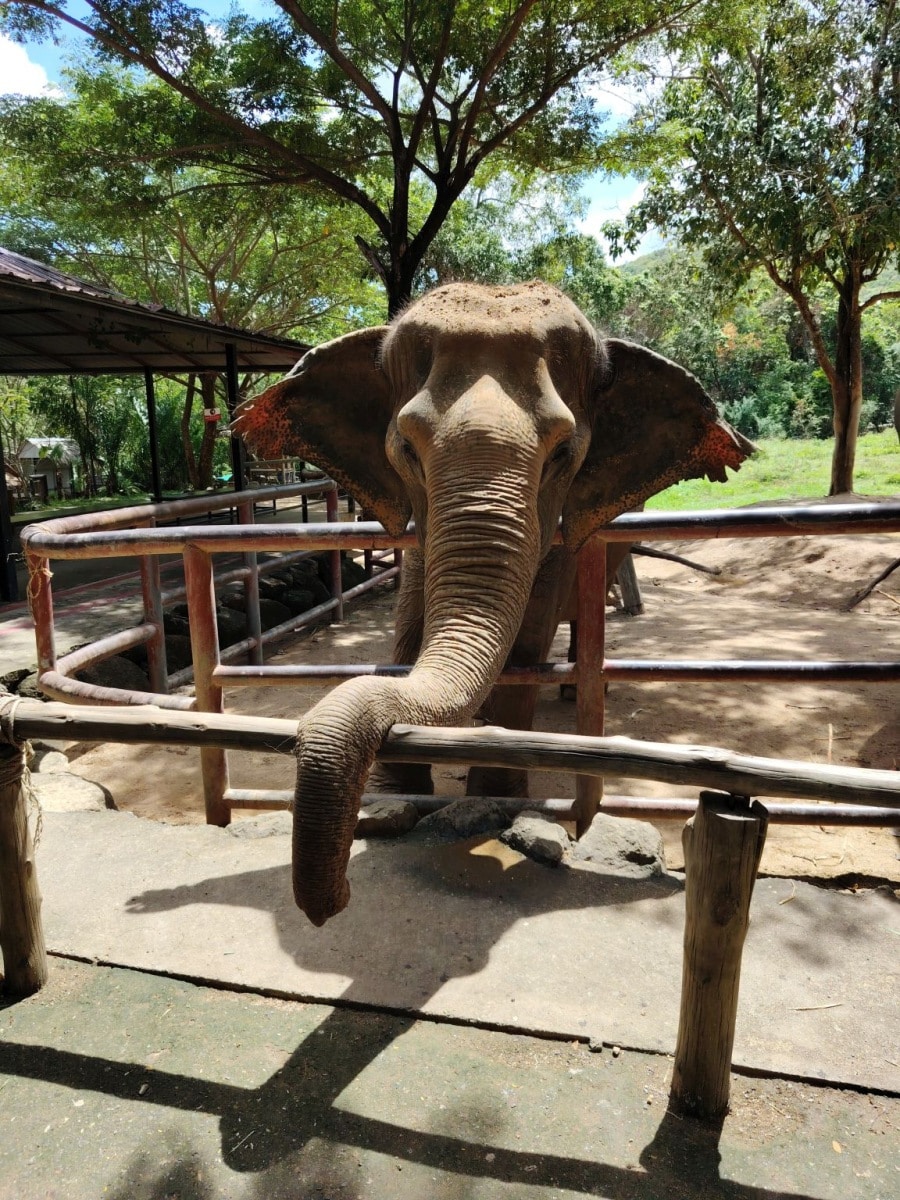
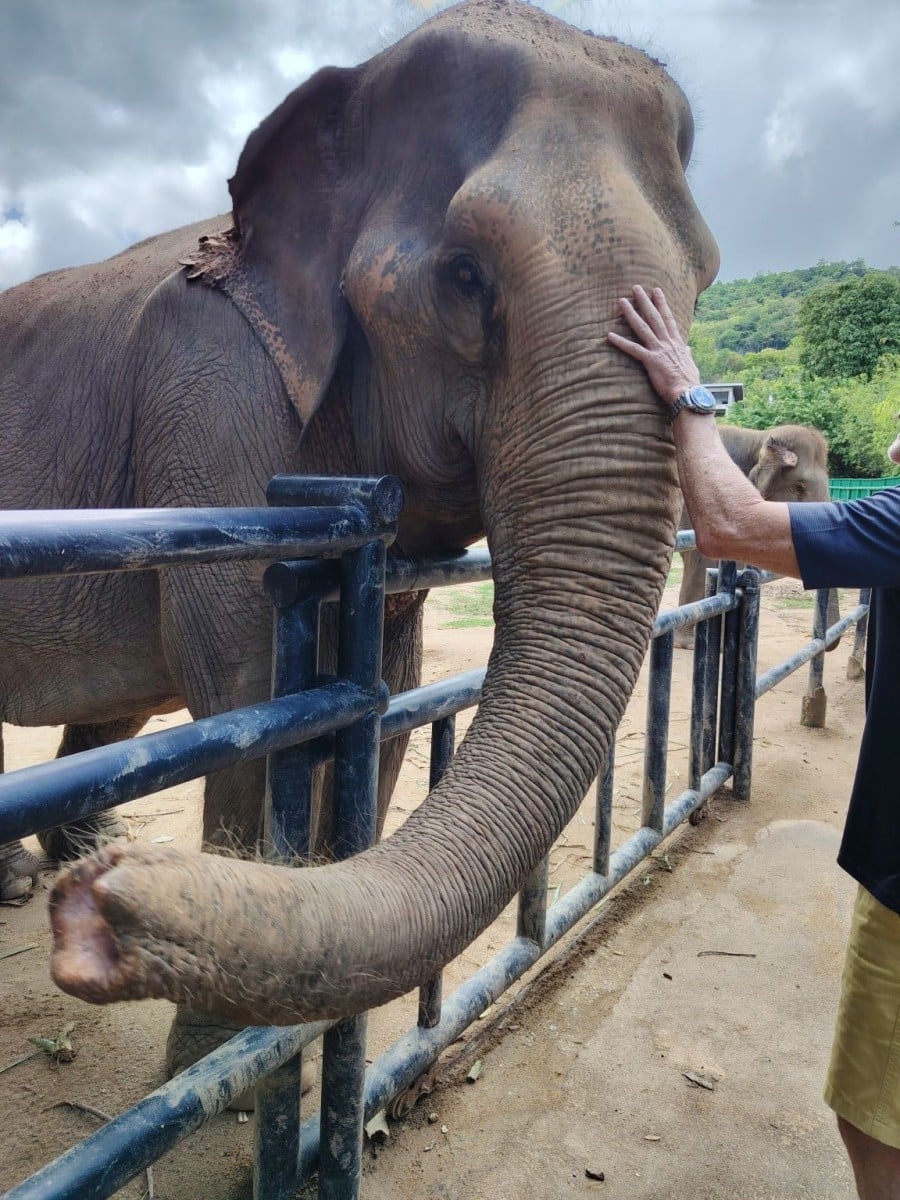
In this post you will get a little historical overview about elephants, a little report on what I saw, a photo gallery and five videos.
In the post “Koh Samui: more than just attractions to tick off”, I added elephant sanctuaries to my list of places to visit. Or at least one of them. “At first I thought I wasn’t interested. But when I looked into what this place was all about, the description piqued my interest,” I wrote at the time.
Of course, I’ve been researching the matter since the aforementioned article. This article is not just about my personal experiences, but also a recommendation and summary page that fits into the series. I also looked into the issue of ethical tourism a little.
Before visiting the sanctuary, I did a little research on elephants, so let’s first see what the situation is with these creatures here on the island!
The history of elephant husbandry and use in Koh Samui and Thailand
The history of elephants on Koh Samui is deeply intertwined with Thai culture and the dark side of tourism.
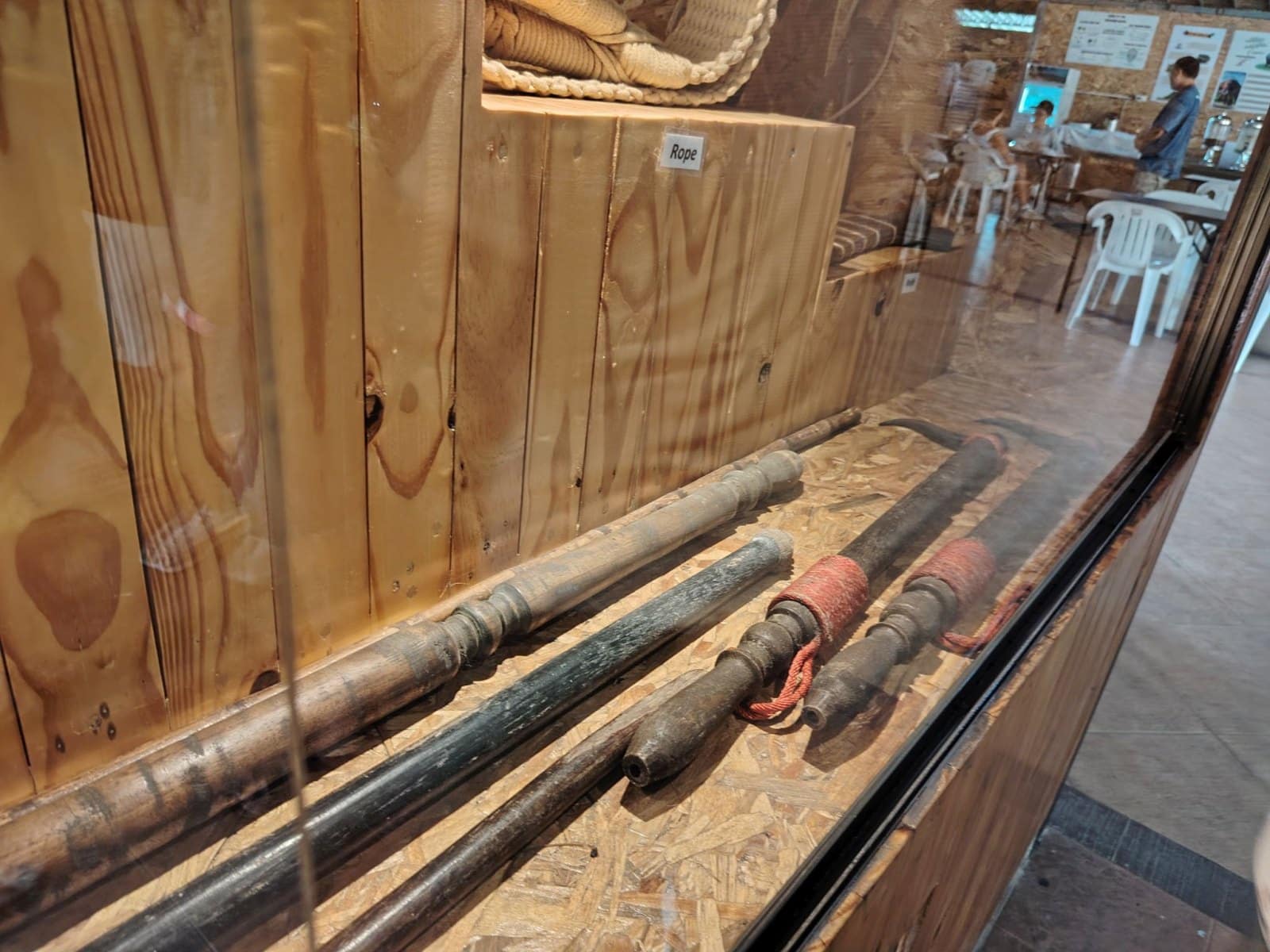
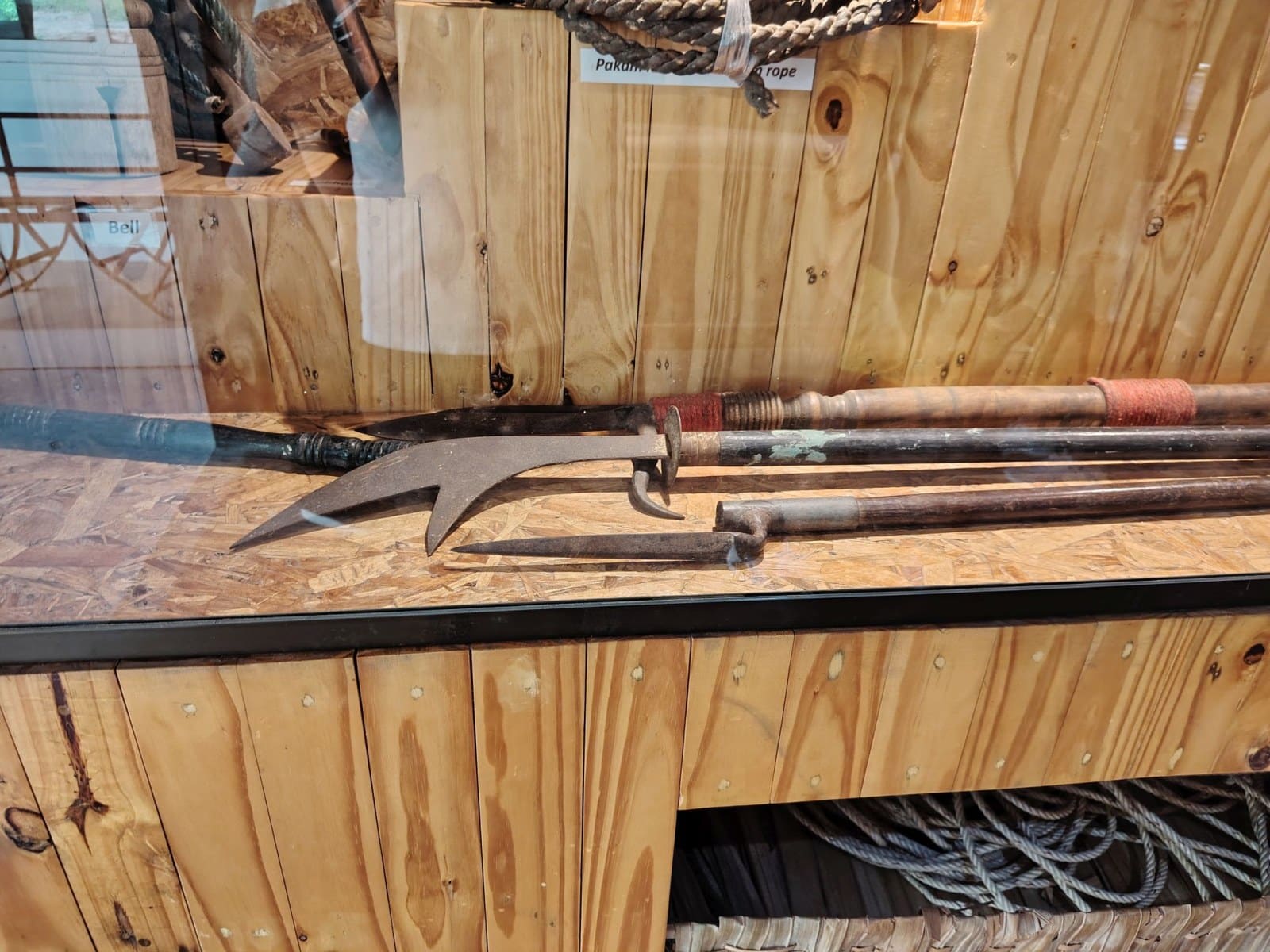
In Thailand, elephants have served as working animals for centuries. In the 19th and 20th centuries, they were mainly used in logging: they pulled huge trunks and worked in difficult terrain. When this activity ceased due to the 1989 deforestation ban, many elephants and their handlers (mahouts) were left without work. After the explosion of tourism, the animals changed roles: instead of logging, elephant riding, circus performances, photography, and later “more natural” elephant parks came. This “new wave of tourism” appeared on Koh Samui in the 90s, when several hundred animals were brought to the island from the north of Thailand.
Why are elephant sanctuaries needed?
Elephants – mostly those rescued from tourism or logging – often live in poor conditions. These conditions often mean that the animals are kept in tight chains, spend their days doing hard physical work, eating poorly and not exercising.
The purpose of sanctuaries is to:
- a safe, chain-free and beating-free environment,
- the possibility of free movement and natural behavior,
- education of tourists: not riding, but observing and feeding the animals, responsibly.
There are several such places on Koh Samui, where the emphasis is on ethical tourism.
General perception of the situation of elephants
Today, social perception is strongly divided:
Modern, environmentally conscious travelers and animal rights activists believe that elephants should not be kept in captivity because they live in their natural environment, over a large area. However, many local mahouts and communities consider elephants to be a cultural and economic heritage, and believe that with proper care, living together can be sustainable. In recent years, the aforementioned ethical tourism has been spreading.
I am close to that ethical tourism. After reading up on the matter, I realized that unconditional acceptance, instinctive abstention, was a good intuition.
What does the ideal of “ethical tourism” mean?
The basic idea is simple and noble: Travel should not harm people, animals, or the environment. According to animal rights activists and conscious travelers, this approach is essential because tourism has a huge impact on wildlife. Ethical elephant tourism, for example, says: no riding, no chains, no shows, only observation, feeding, learning, and ultimately the goal is education and support, not profit. This direction is a real step forward compared to the old, exploitative tourism.
Critics, however, see this whole “ethical” label as often just new packaging for an old business. The elephant still lives in captivity, only now in a “tame” environment. After “no riding” came the “no chain” wave, then the “no bathing” wave, but in reality all contact serves the entertainment of humans. According to critics, the truly ethical solution would be to not keep elephants for tourism, but to release them back into the wild or place them in protected reserves. So many places are ethical out of marketing, not conviction. That’s where the division comes from.
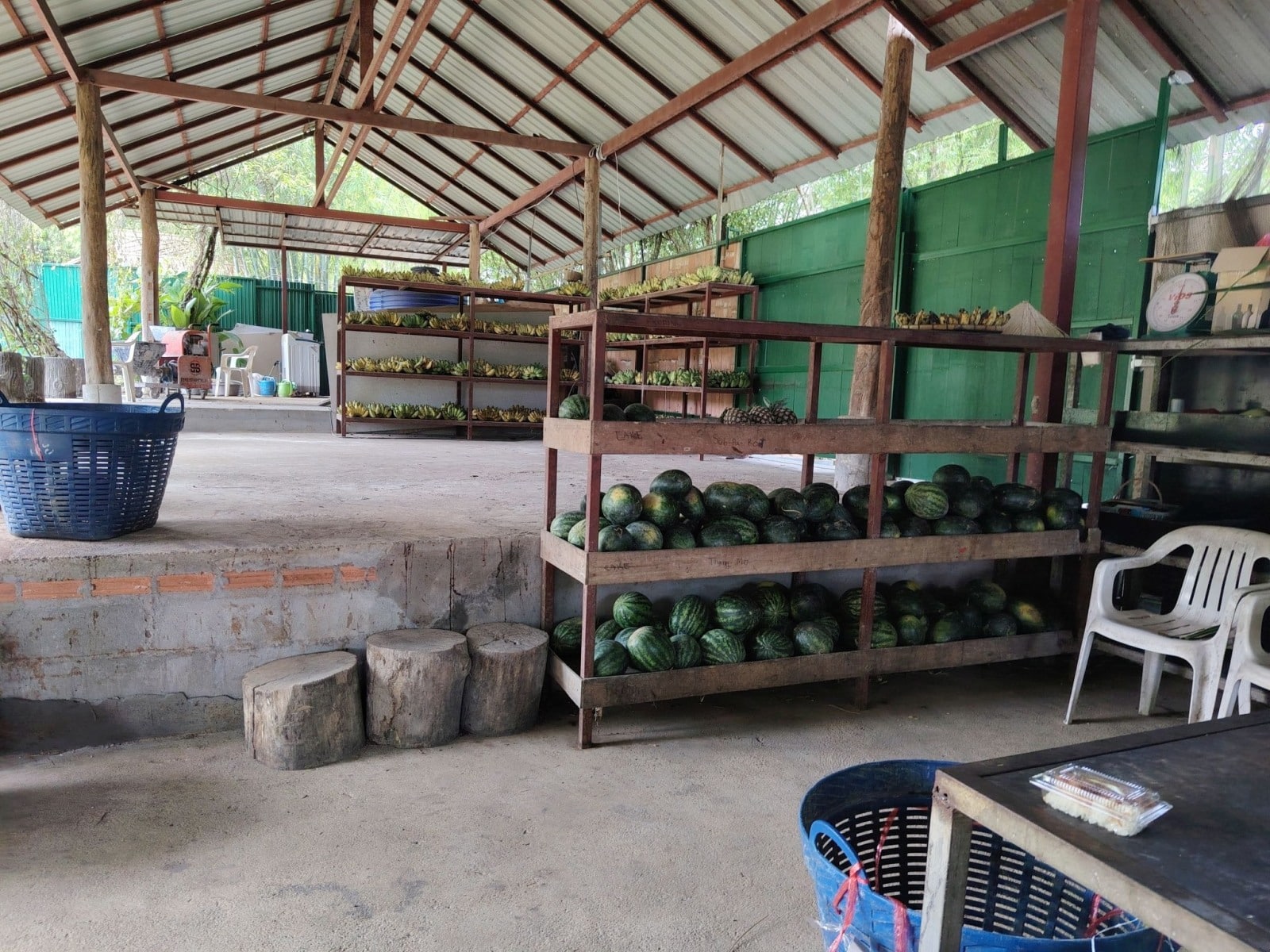
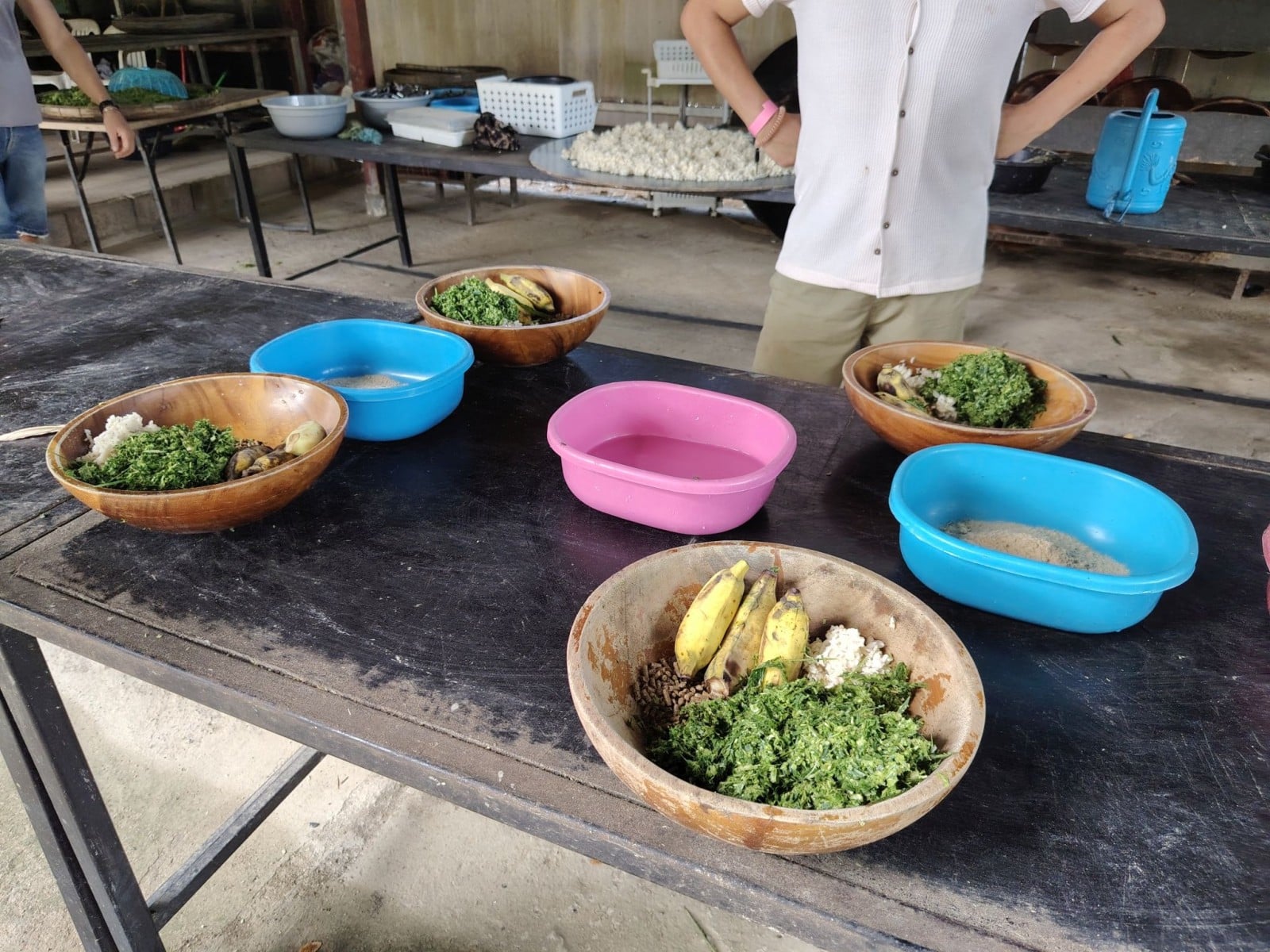
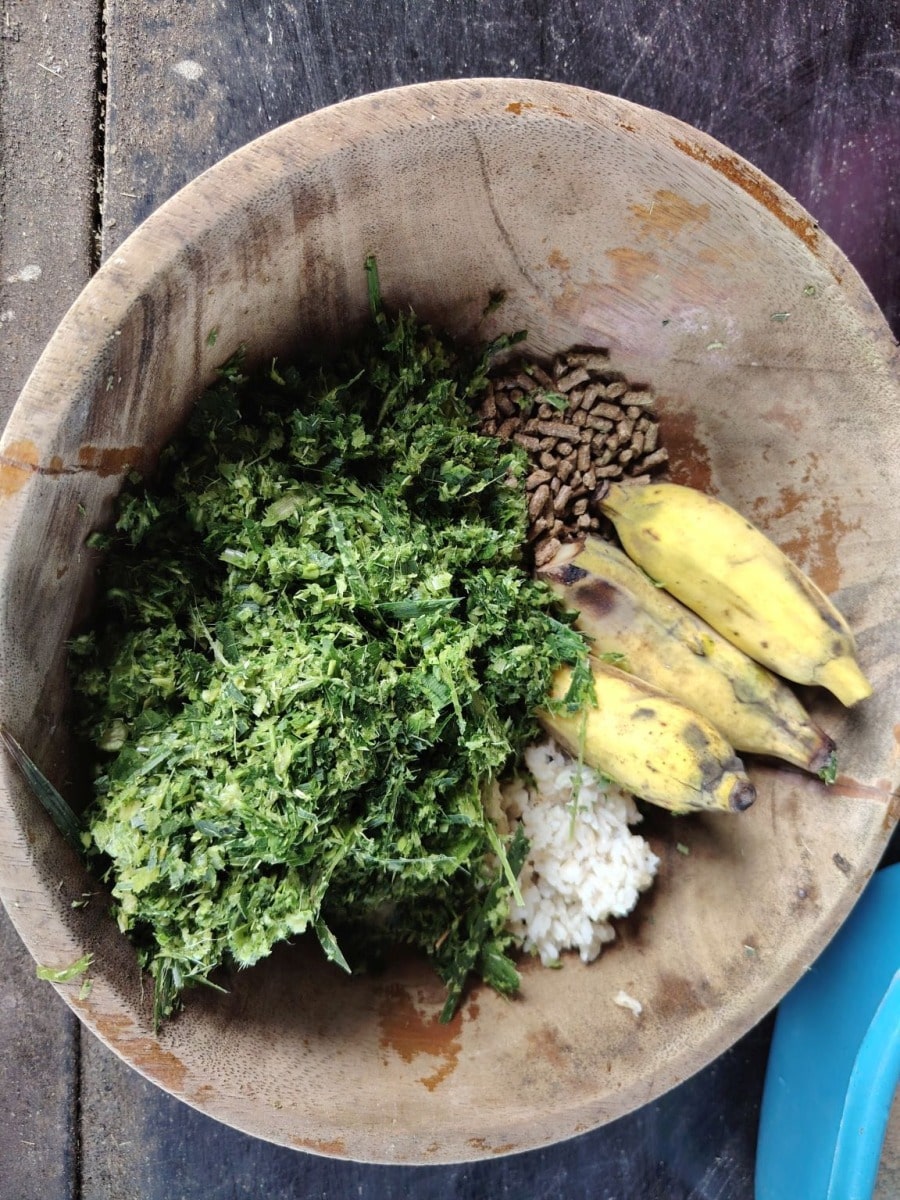
The two sides can be strained, but in the place I was, I listened to what they told us. An elephant eats 10% of its body weight in plants every day. An Asian elephant weighs around 2-3 tons, so it needs 200-300 kg of plants. Knowing this, the choice is easy: the elephant must be released back into the wild, which would certainly not be an easy solution on an island like this. The other solution could be a sanctuary, but that means keeping 5 elephants requires 1000-1500 kg of food per day.
That’s how the locals see things, as I looked into it. The mahout families have been living with elephants for generations. For them, the elephant is a cultural heritage and a means of livelihood. If all tourism were banned, many elephants would starve to death or be left in worse conditions because their care is expensive. That’s why many Thais believe that sustainable, ethical tourism is the best thing that exists: better for the animals than logging, and more sustainable for the families.
So “ethical tourism” is not a black and white matter:
- Western travelers seek moral purity,
- locals seek survival and tradition,
- and animals are often caught between the two.
Where can you visit on the island?
I was at “Samui Elephant Haven” and how I got there will be the topic of the next article. I found a good summary page about elephant sanctuaries here [INSERT LINK HERE], so I will show you a total of six places.
- Samui Elephant Haven
- Samui Elephant Sanctuary
- Samui Elephant Kingdom
- Elephant Jungle Sanctuary Samui
- Samui Elephant Home
- Elephant Care Samui
It’s worth checking out what the other 5 locations have to offer, to see if you’ll have the opportunity to choose from the available spots!

Buy me a coffee?

If you enjoyed this story, you can buy me a coffee. You don’t have to – but it means a lot and I always turn it into a new adventure.
Buy a coffee for Steve
 Linktree
 Short introduction