

Indonesia is different from Thailand.
That was my first impression of the country.
On Saturday – my first evening – I went for a walk around the neighborhood. Then today I went again, for an even longer trip. I will tell you what I noticed, what I felt, in other words, what my very first experiences were with my new home.
The first street dance and its theory
My very first impression was actually the gentleman taxi driver who was waiting for me at the airport. He, as I wrote in the previous post “The road where I tried every vehicle”, was incredibly kind. Especially since he waited for me despite the time loss due to bureaucratic obstacles.
According to his own admission, he spoke a little English, which allowed us to discuss a few small things. The time passed pleasantly with him, so I can say that my very first meeting with a flesh-and-blood Indonesian person went well.
He took me all the way to the accommodation. Both his map and mine indicated this, and I could see from it that he wanted to be sure that he had brought me to the right place. But I let him go, told him that I would find the accommodation, I didn’t want to waste his time holding my hand all the way to the door. I am still grateful to him for spending so much of his time for me.
After a little look, I saw the red sign indicating my hotel. It was very close. Still, I managed to meet the next person twenty meters away. I think the conversation started according to a pattern. “Where do I live?” This was the first question. In these situations, I feel a little closer to the “reality” created by Facebook.
I thought of the “situation reports” sent to the virtual world. When someone posts a picture of their breakfast to their thousand friends. We often talked about it with my friends that it’s like standing on the street and shouting “people, breakfast was delicious.”
So, I don’t get upset when a complete stranger asks me where I live! As for the question of your bank account number, I hope none of them dare!
After the first question, the introductions followed, which was also initiated by her. And we became good friends! That’s how the proposal came about. Her shop is right next to my accommodation. I should definitely go in and buy something from her!
I didn’t want to upset her right away, saying that I probably wouldn’t be doing much shopping here, apart from food and booze. The idea was reinforced when I saw how fancy women’s leather bags she was selling. I haven’t been there yet… I’ve actually been trying to distance myself from consumer society for quite some time. But if I ever need a little woman for a bag, I’ll definitely visit her.
The strange feeling about the people here started here. She escorted me into the small courtyard of the hotel. Then she left me, but after half a minute she came back and pointed to the reception desk, which is where I need to go. I told her thank you, I’ve already rung the bell.
I already know this game. The scenario is this: I’m nice to you, I’m obliging you, and I expect you to be nice to me too. Once we’ve talked, you can’t say no.
This game is familiar from Europe. The first people I saw doing it were restaurant workers on the streets of Mediterranean countries.
I also encountered this game in Thailand: restaurants, massage parlors, street vendors. There I learned to smile and say “no thanks” accompanied by a Wai.
The lady’s insistence as she escorted me to the reception seemed a bit much to me.
That was my first impression of the country.
Saturday – the first walk
I walked 5.7 km, spent more than 2 hours on the street. During that time, a lot of things overwhelmed me: images, smells, sounds, stories.
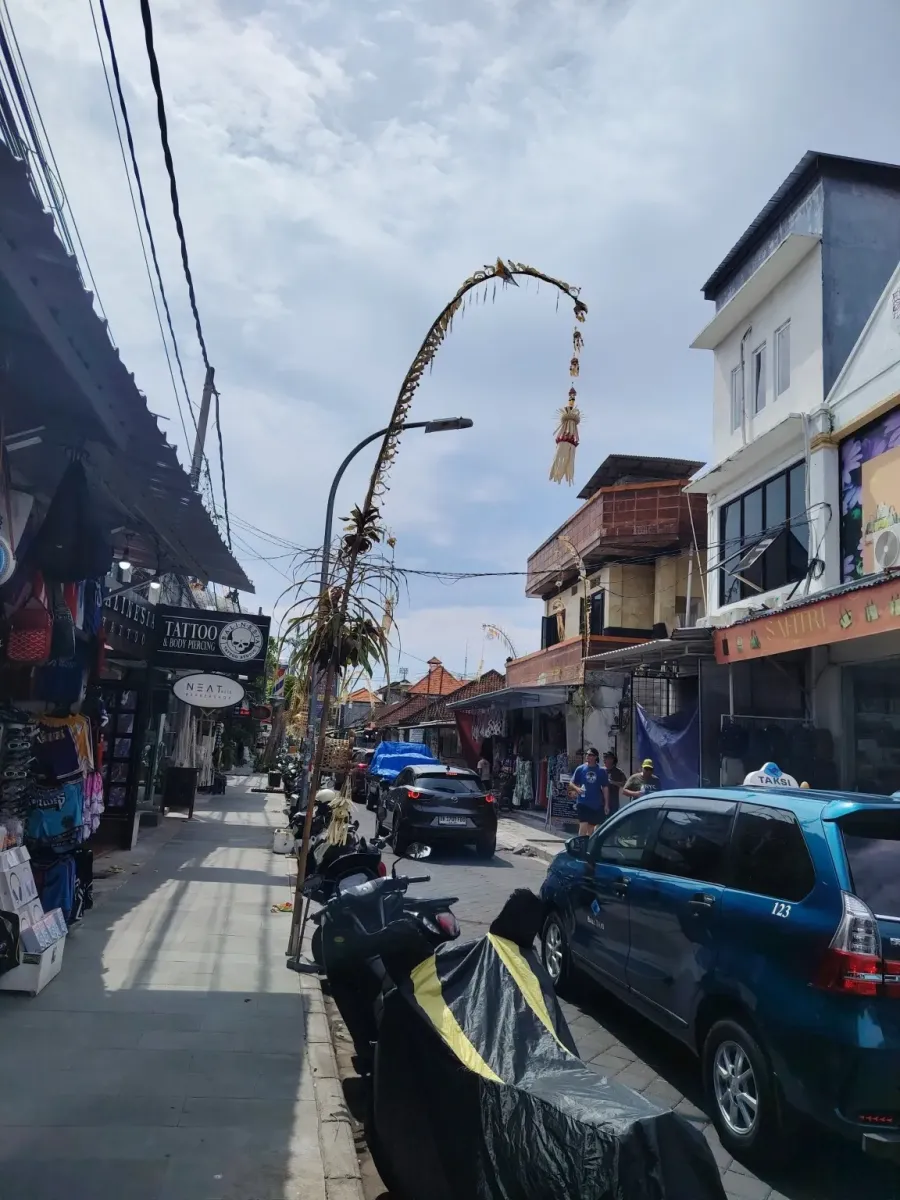
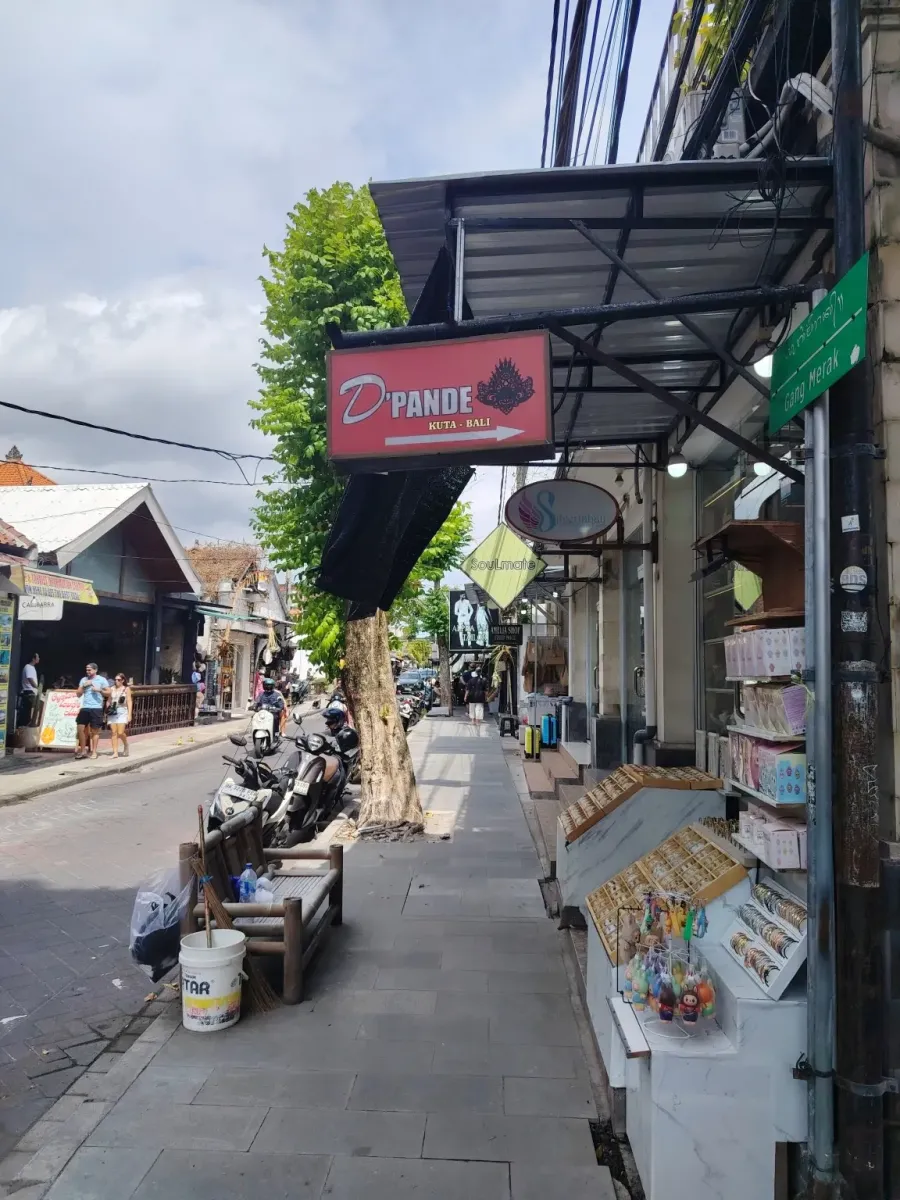
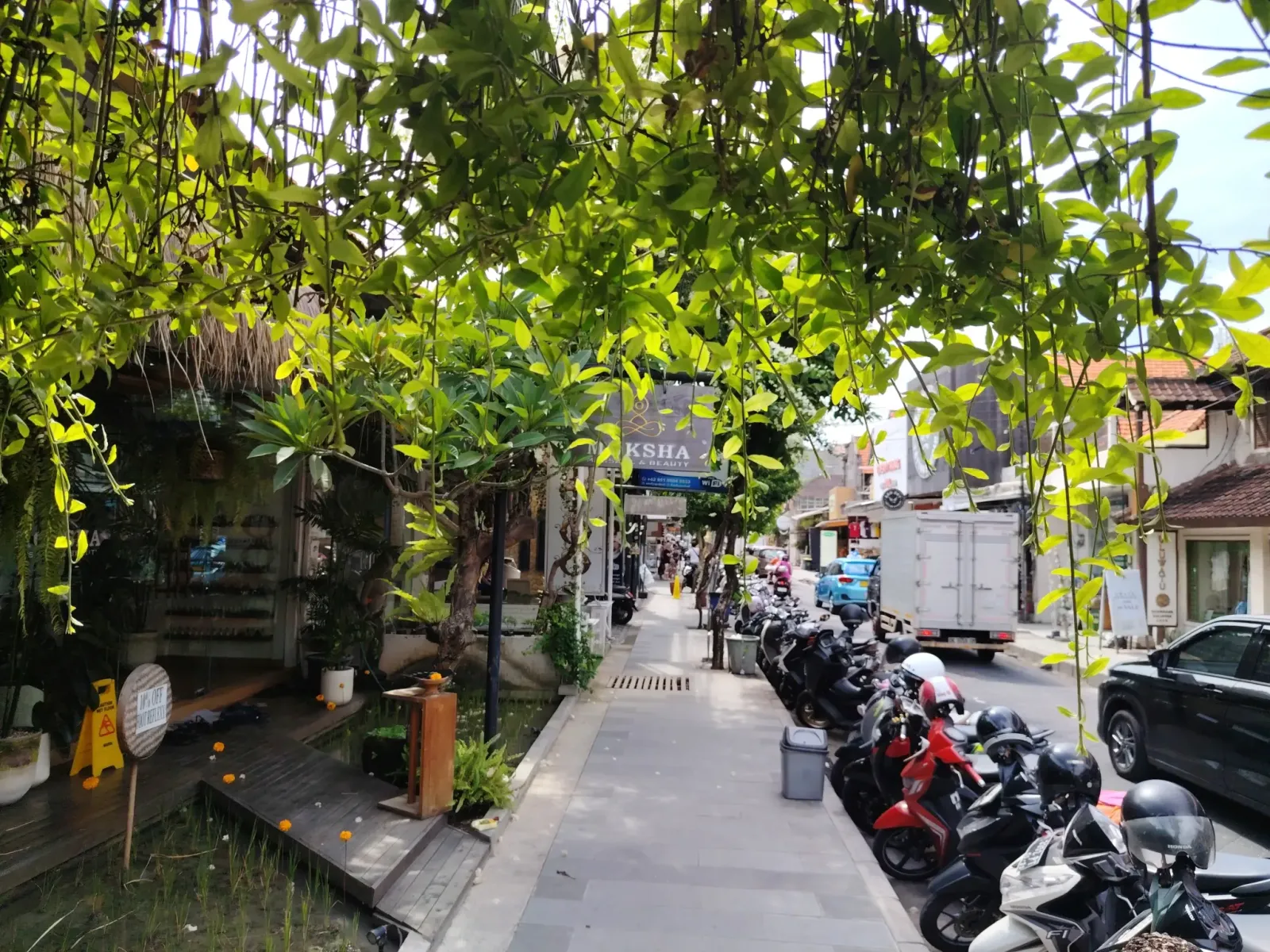
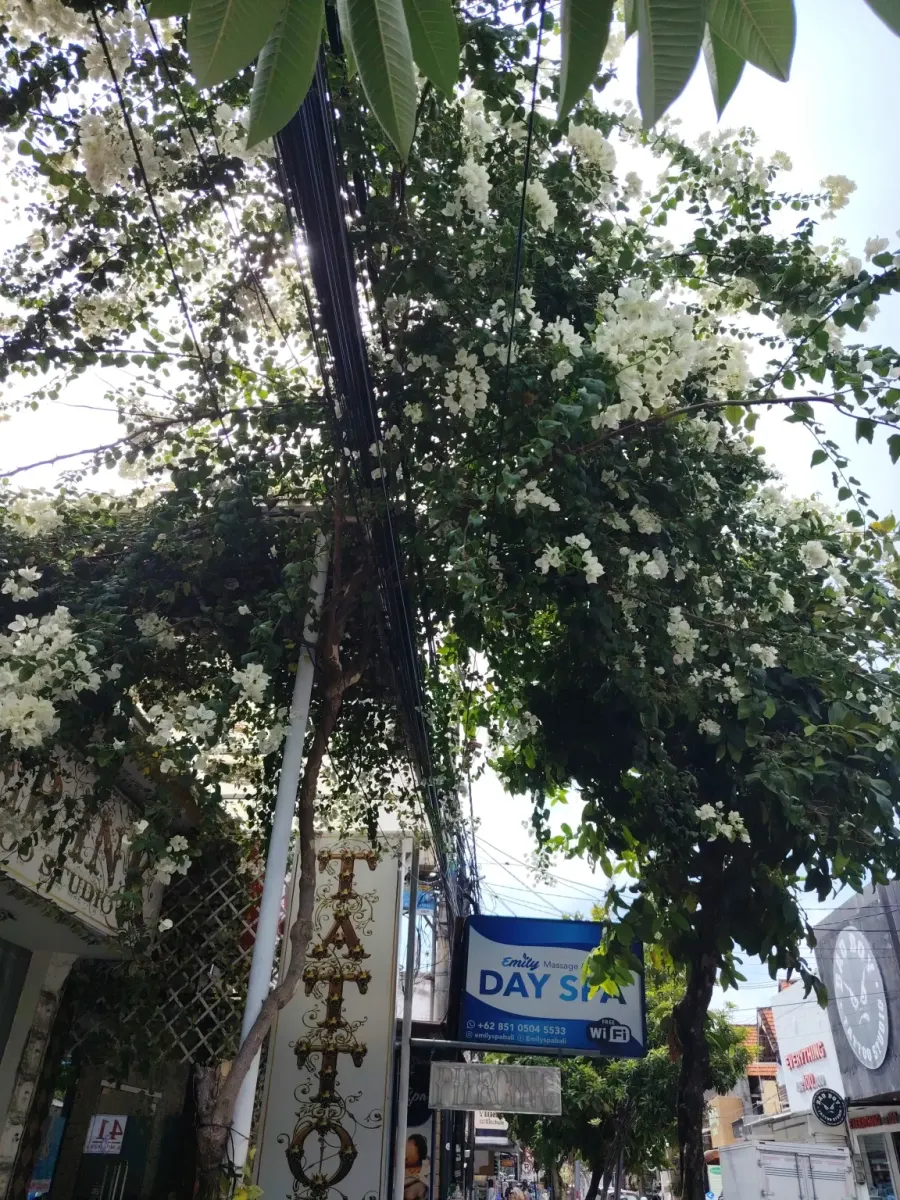
The street where I live is full of shops, restaurants and massage parlors. It was nine o’clock, everything was open and waiting for its guests.
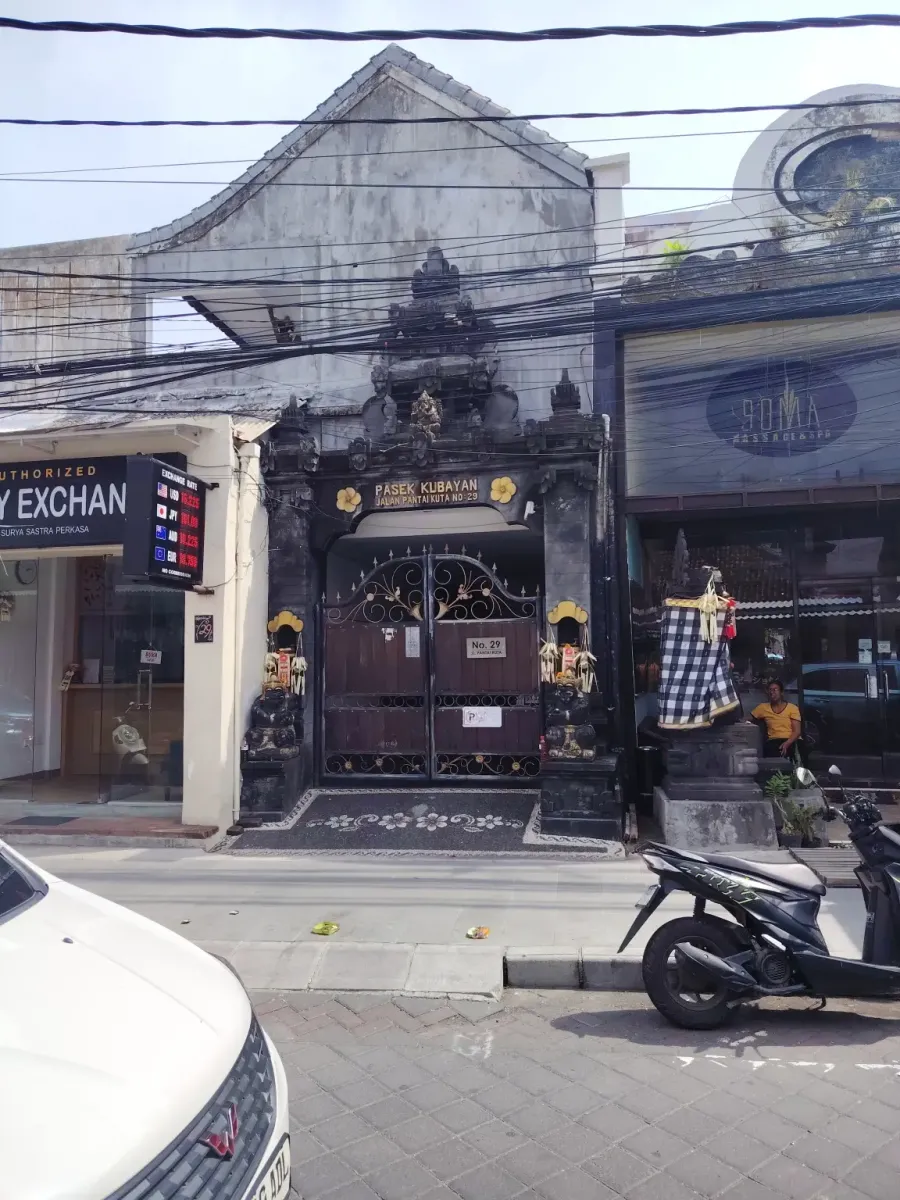
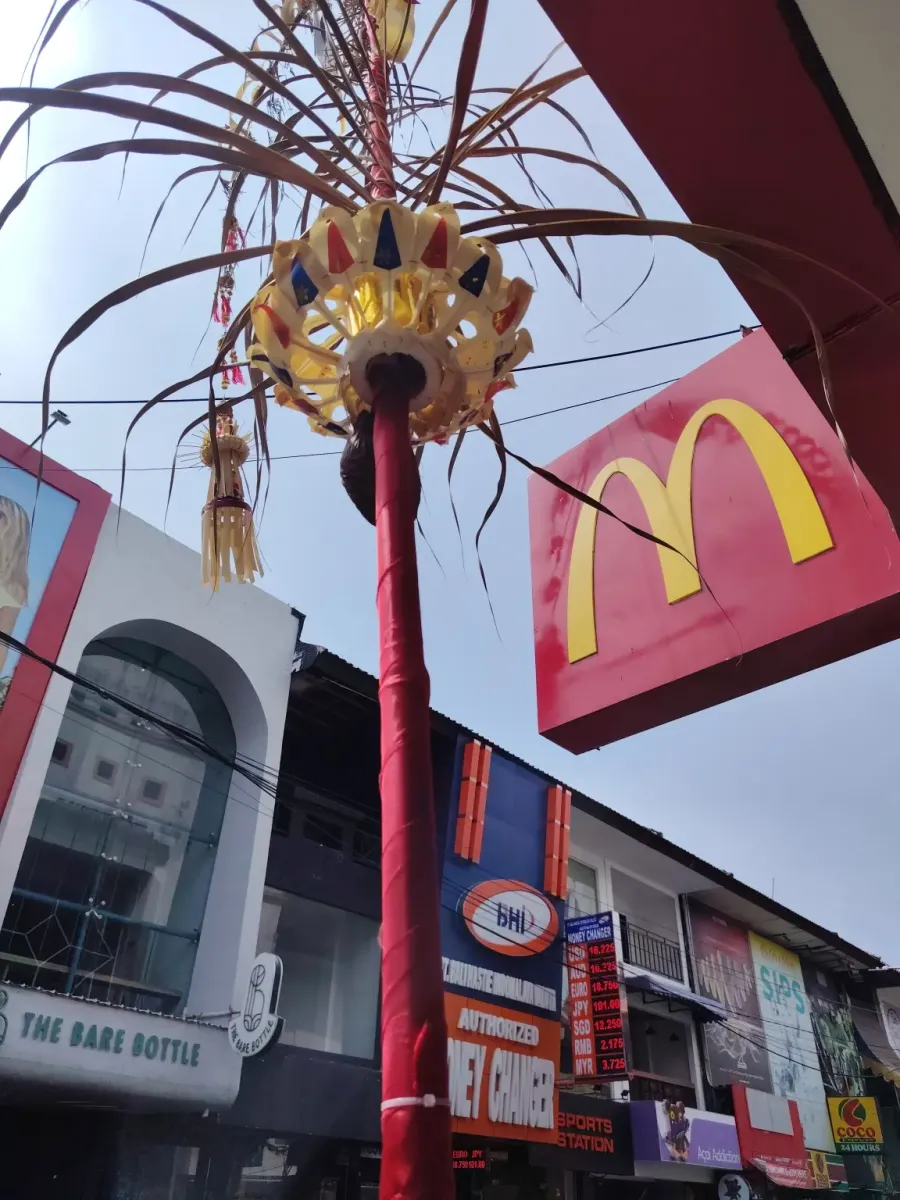
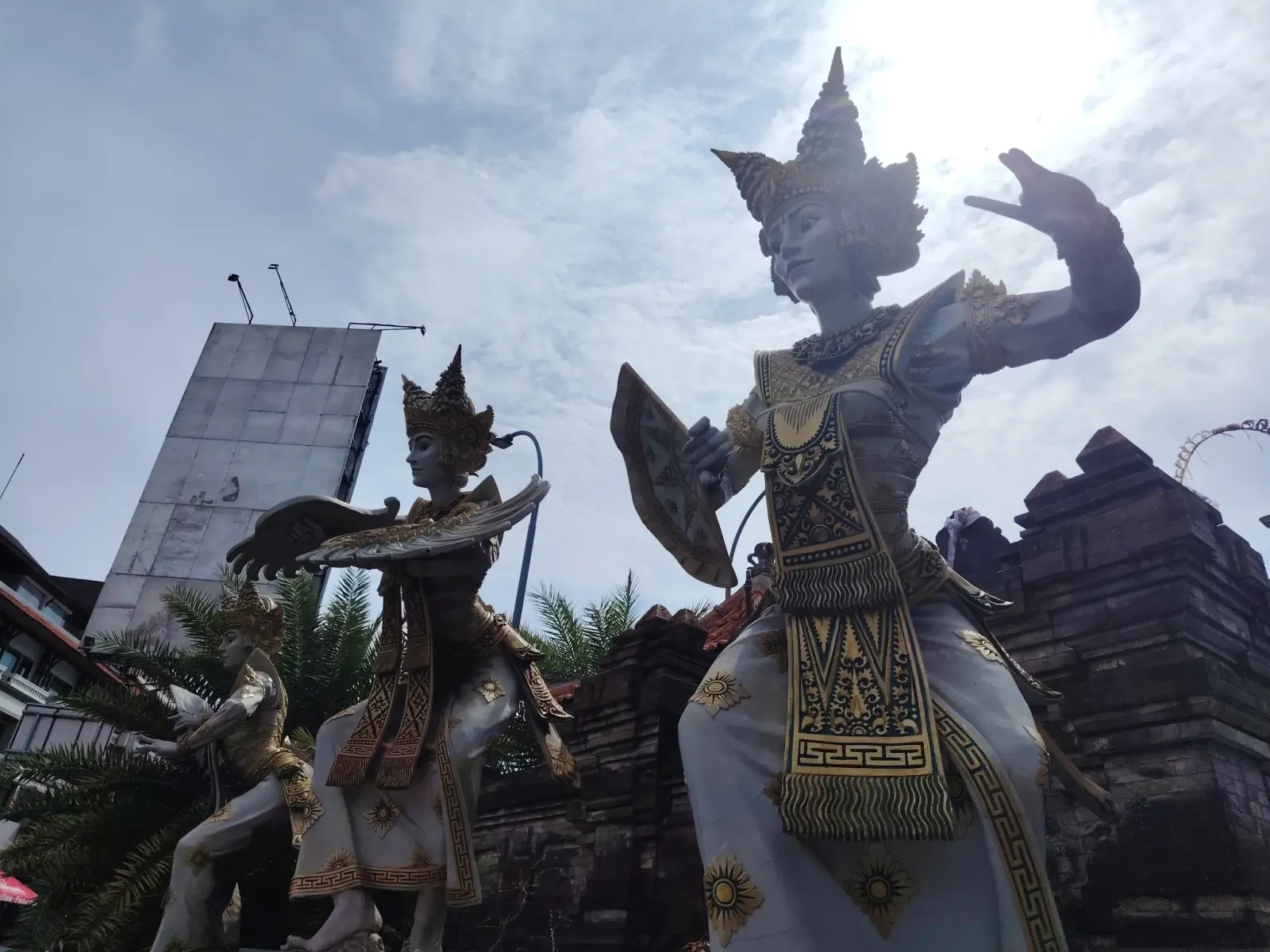
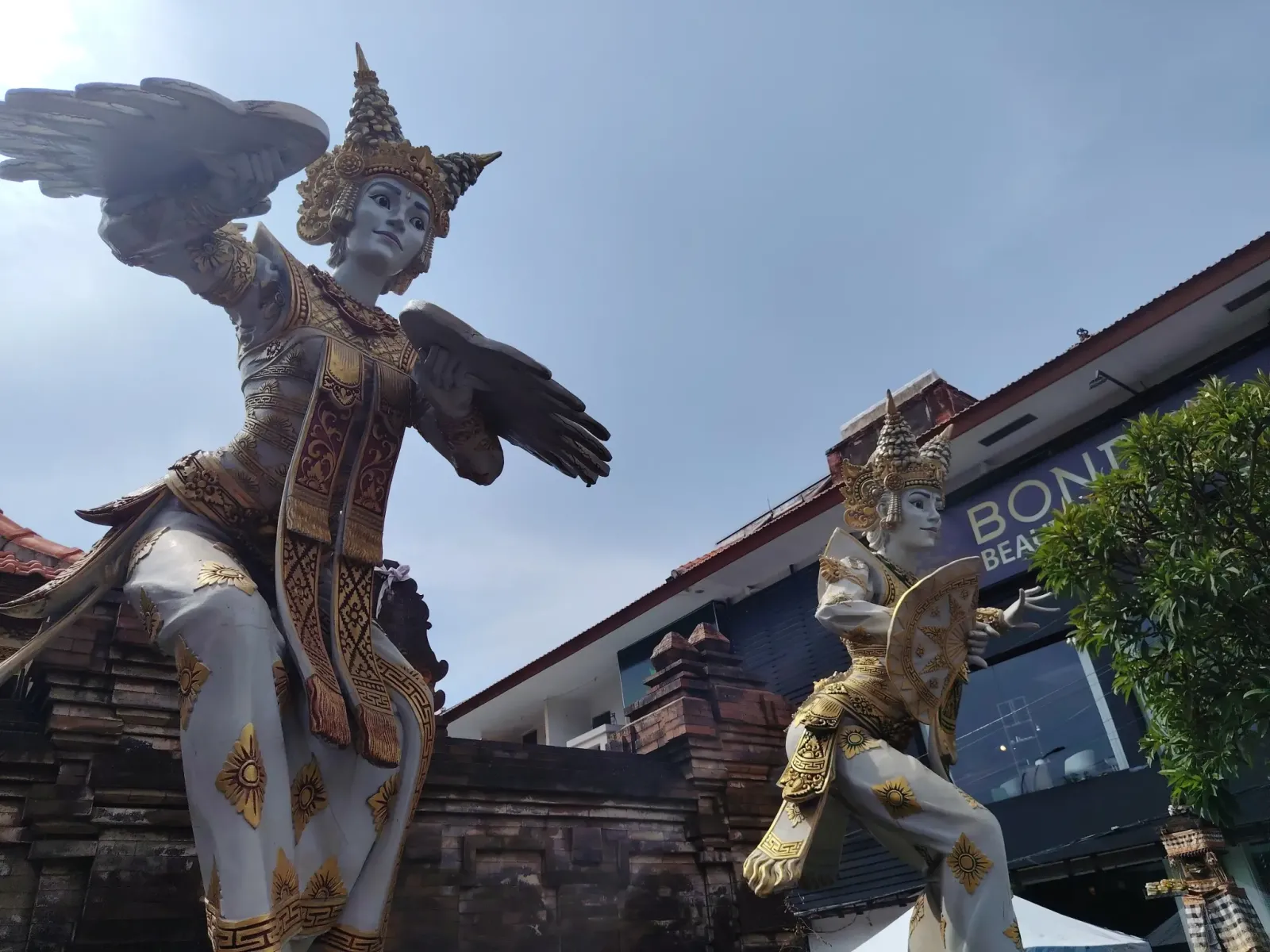
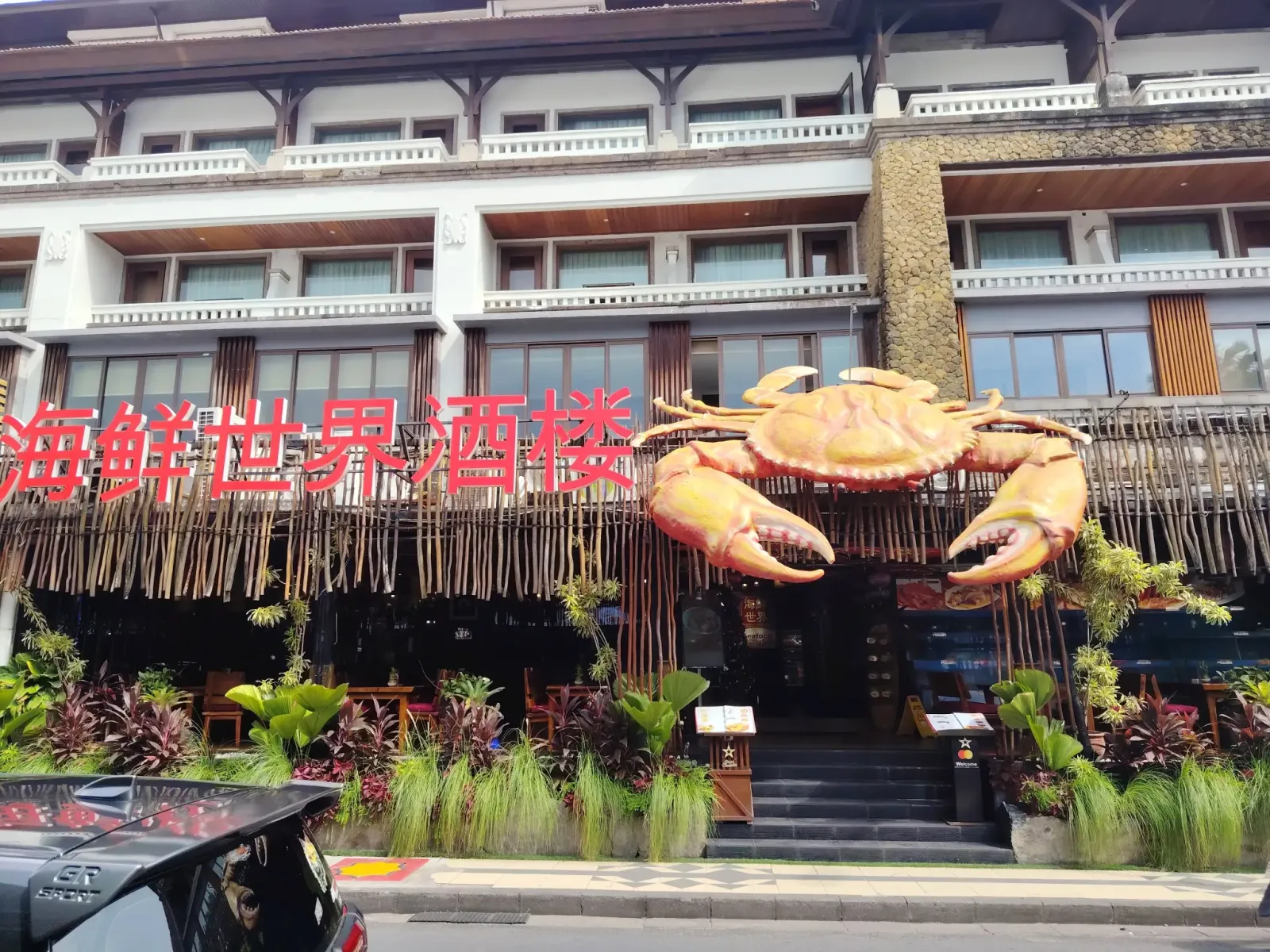
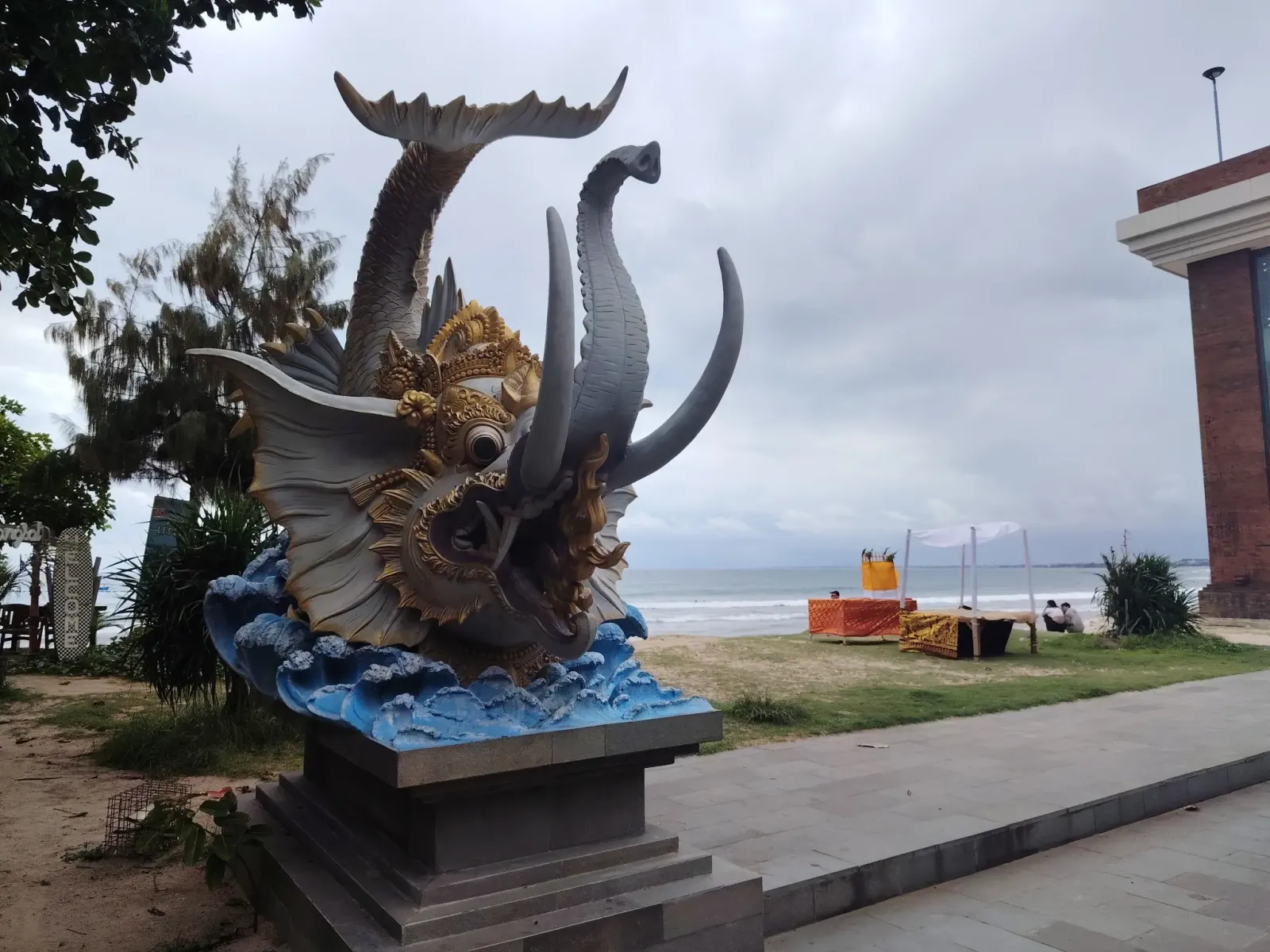
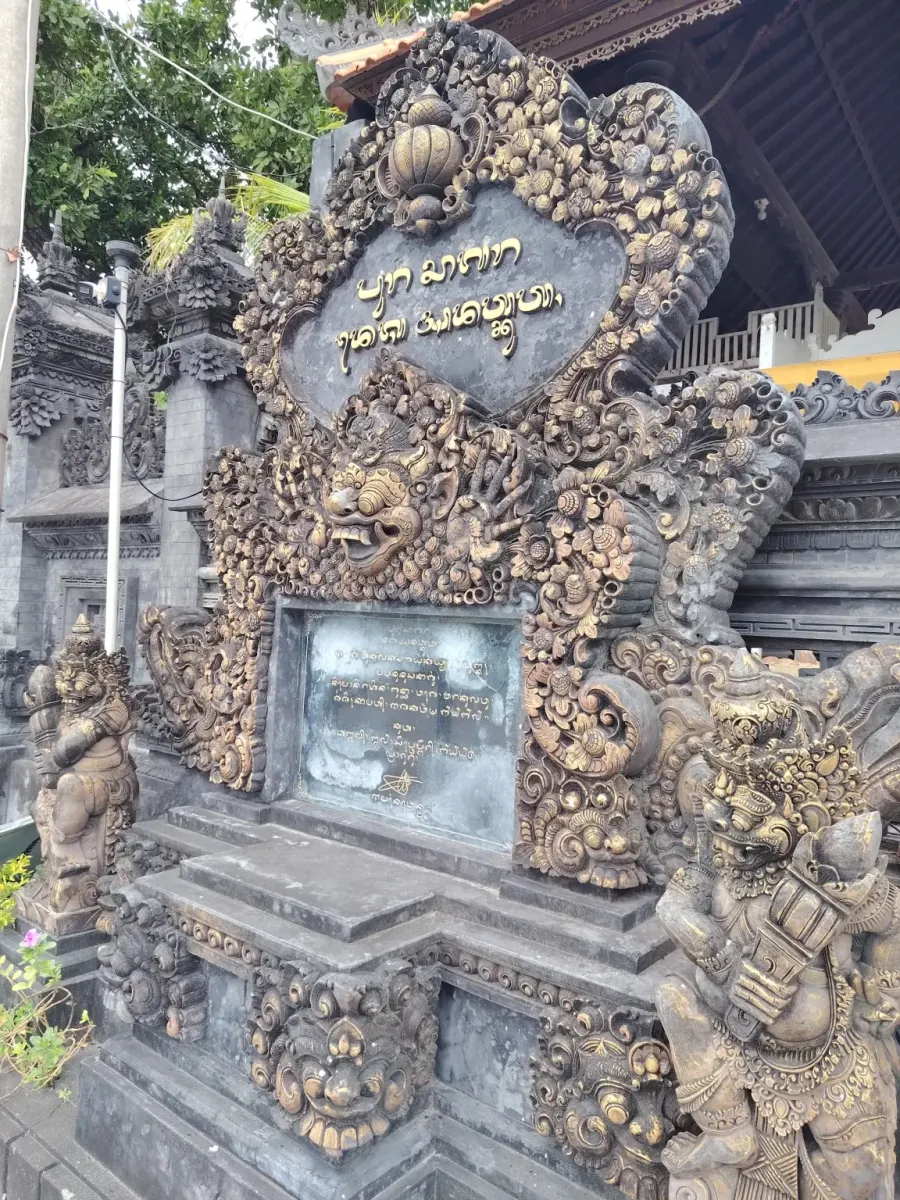
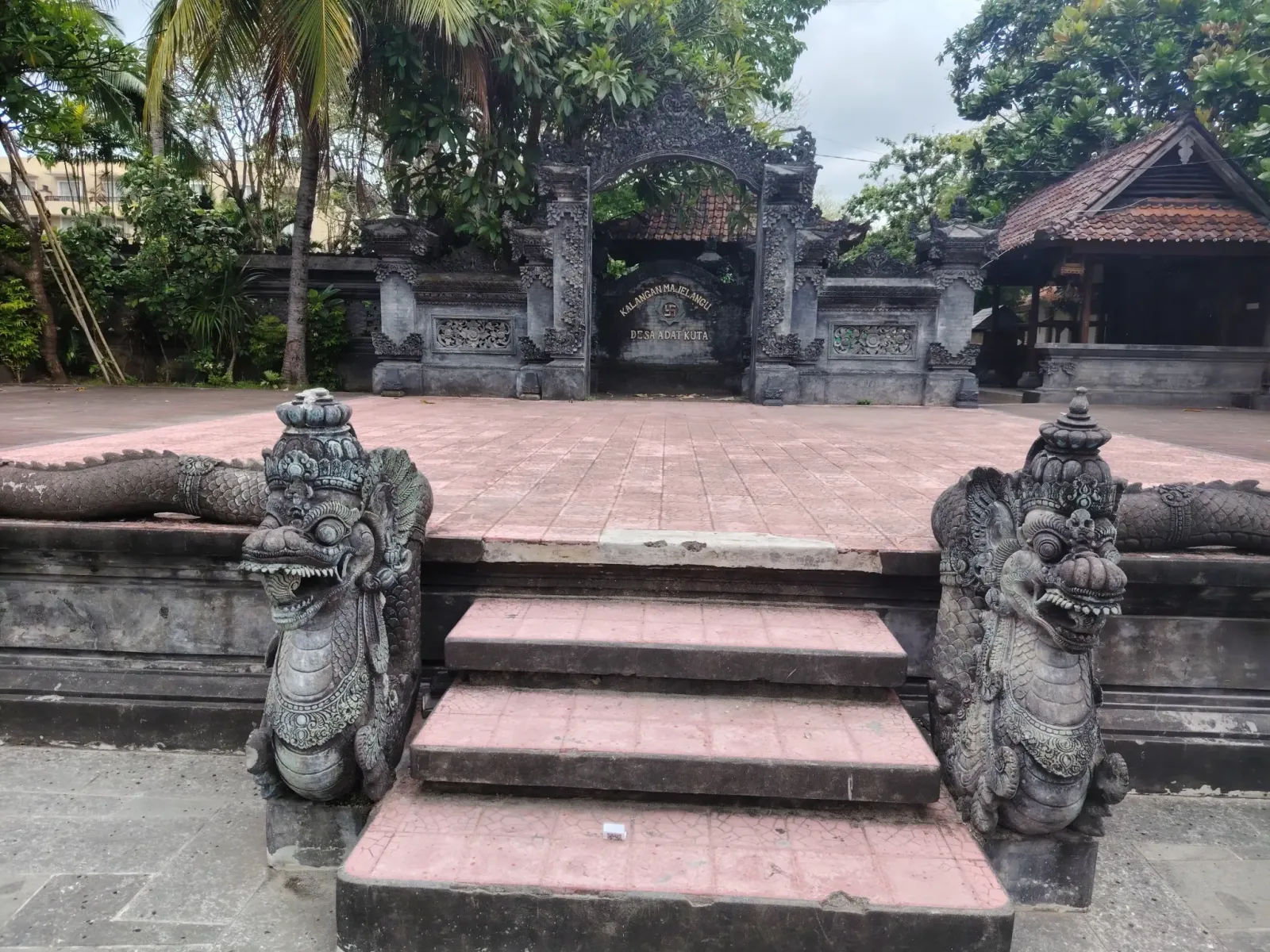
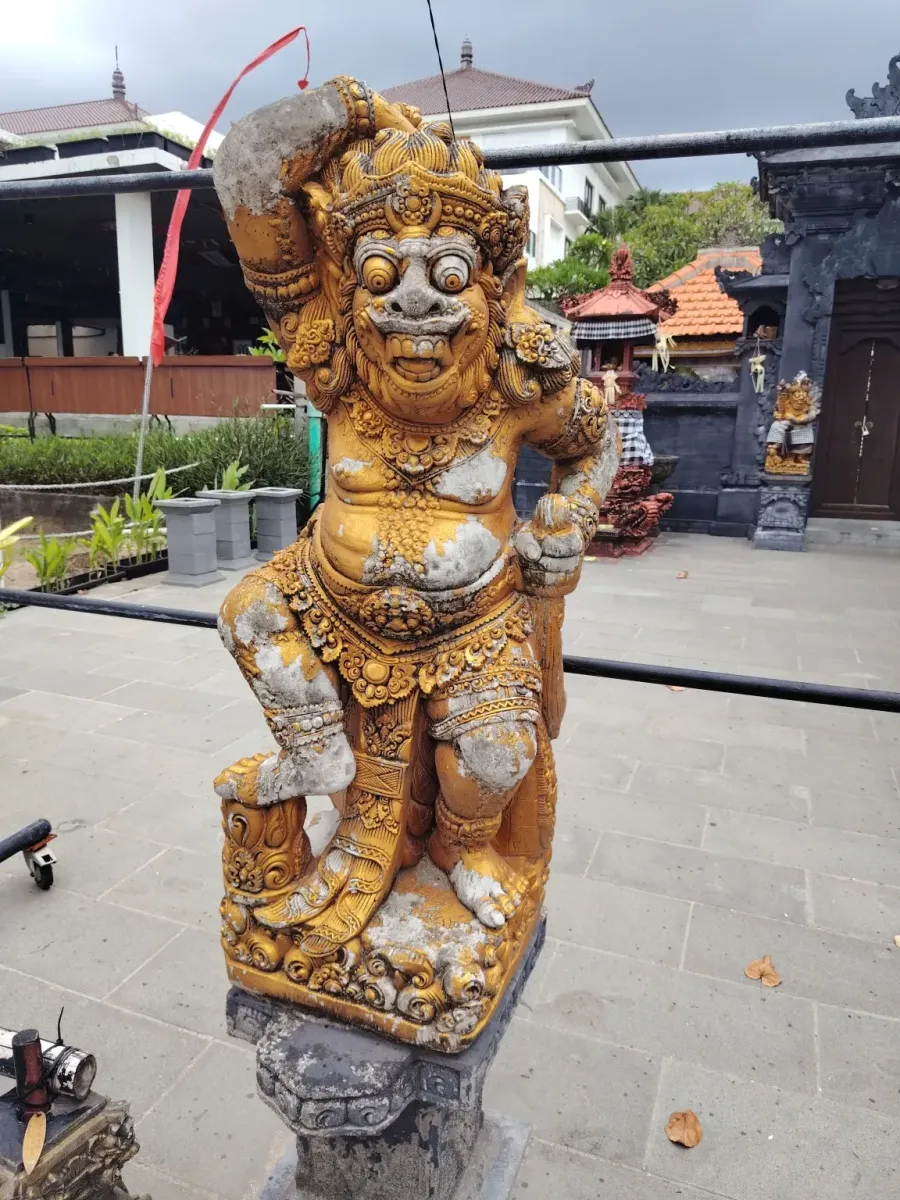
I saw a lot of interesting things. Statues, gates, small buildings similar to Thai “ghost houses”, street sacrifice sites, motifs. I decided that the next day, in daylight, I would take pictures.
And the air… well, that’s a different story. The delicious smell of fried food was replaced in an instant by the stench of garbage, followed by the perfume of some luxury store. Overall, the night was dominated by unpleasant smells.
Taxi drivers here don’t understand that someone is just walking. They slow down and honk, even when they see that I have already said no to a colleague two meters away.
I am used to begging on Koh Samui. There I saw only one. Here, however, I met them on every corner. I saw a small child sleeping on the street with his mother, and also a scene that reminded me of India: a small child asked for money, and then after saying no, he came next to me for a while, explaining something.
This was the moment when I first felt that people here express their requests a little more directly. Not out of malice, but simply because of a different rhythm.
After a long circle, I returned to my own street, thinking of eating something. I was disappointed to find that almost everything was closed by eleven o’clock.
However, a massage parlor was open. The girls invited me with smiles. The Wai and the “thank you, no” came out of reflex. But this time it turned out to be not enough. Two of them stood in front of me, grabbed my arm and tried to pull me in. It wasn’t scary, more surprising. But it took a little force to pry their hands off me.
This experience was completely real.
Based on my previous experiences, such physical force would have been unthinkable on Koh Samui.
After the adventure, I had dinner at an Indian restaurant. The owner was very nice, and I felt the same hospitality as in Indian restaurants in Thailand.
So by the end of the first day, I was left with a certain ambivalence: the place is beautiful, exciting, alive. But my first encounters with the people brought mixed feelings.
Sunday – The daytime face of the city
In the morning I unpacked my backpack and set up my room, where I will live for 43 days.
The small shelf under the TV is an excellent desk, so I can use the room for work without any changes. This far exceeded my expectations based on the preliminary pictures!
I walked 12.5 km that day. I met even more people, and even more pushy.
Here I definitely had the feeling that they treat “no” differently than I am used to.
For example, there was a taxi driver who, when I politely refused, made a face as if he thought: then why did you come here?
In vain! I was spoiled by Thailand, where polite refusal is followed by polite acknowledgement.
There was a woman who waved some papers that looked like lottery tickets at me, she also took my hand and almost held me there after the “no”.
Overall, I saw more reactions expressing disapproval than understanding acceptance. Kind invitation, kind no, immediate mood change. Here, I see this as dynamism.
I thought a little about what could be the reason for this difference.
A significant part of Koh Samui’s life is 100 percent based on tourists, I’ve heard this many times. The people there communicate with foreigners on a daily basis, they live from this, they are accustomed to smiles, relaxedness, a mentality that understands and accepts rejection kindly.
Denpasar, on the other hand, is a city of locals. It is not “tuned” to tourists, but to its own pace, to its own life. If you are there, you are not a tourist, but “a stranger in the world of the locals”. This is not bad, but a different kind of reality.
At the same time, there may be a big city mentality: faster, more direct, sometimes louder. Denpasar is the capital of Bali, hundreds of thousands of people live here. And big cities everywhere have a similar pattern: faster pace, more direct communication, less smiling, more “business-like” attitude. This is not impoliteness, it’s just… city.
Again, just a little in defense of the locals: In more touristy areas, many locals make a living by making money off of people. This sometimes manifests itself in the form of stronger bargaining, pushy taxi drivers, and interactions that seem “more demanding.” This is not personal or malicious. It’s more of an economic reality.
Finally, I read the following about cultural differences, and based on my first experiences, it’s absolutely true:
Thailand is famous for being the “land of smiles.” Thai communication is based on conflict avoidance and “competition” in kindness. In Bali, the culture is deeper, more spiritual, but everyday contact is sometimes more direct, straightforward. Different rhythm, different gestures.
Despite all this, I trust the people here. The results of the two walks did not leave me with a bad taste. I am trying to quickly pick up this rhythm and shift the focus of my perception of people elsewhere.
Sunday – a little about the experiences
I don’t want my first experiences with people to ruin my experience. So let’s go back to where it all began: I went for a walk!
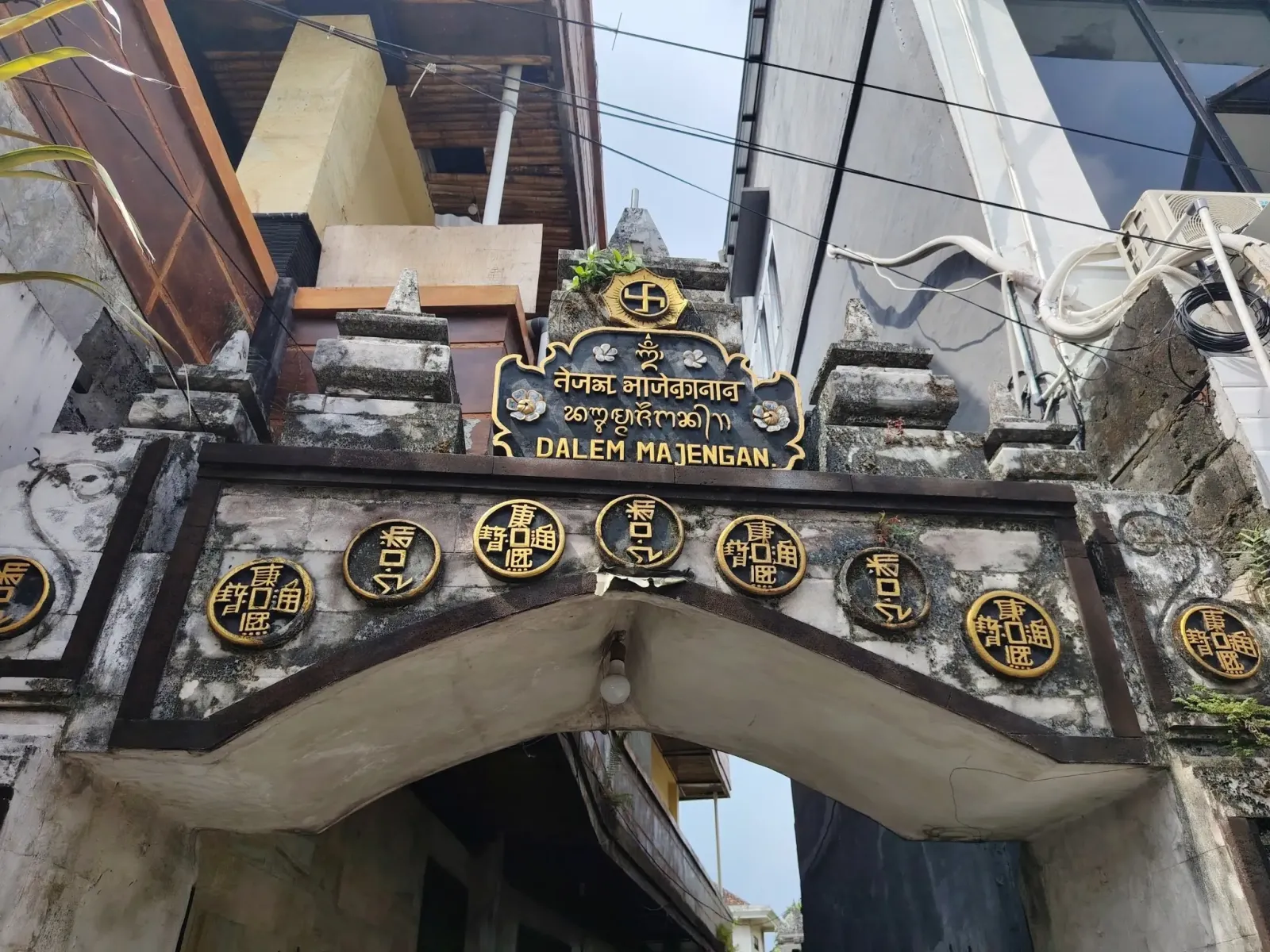
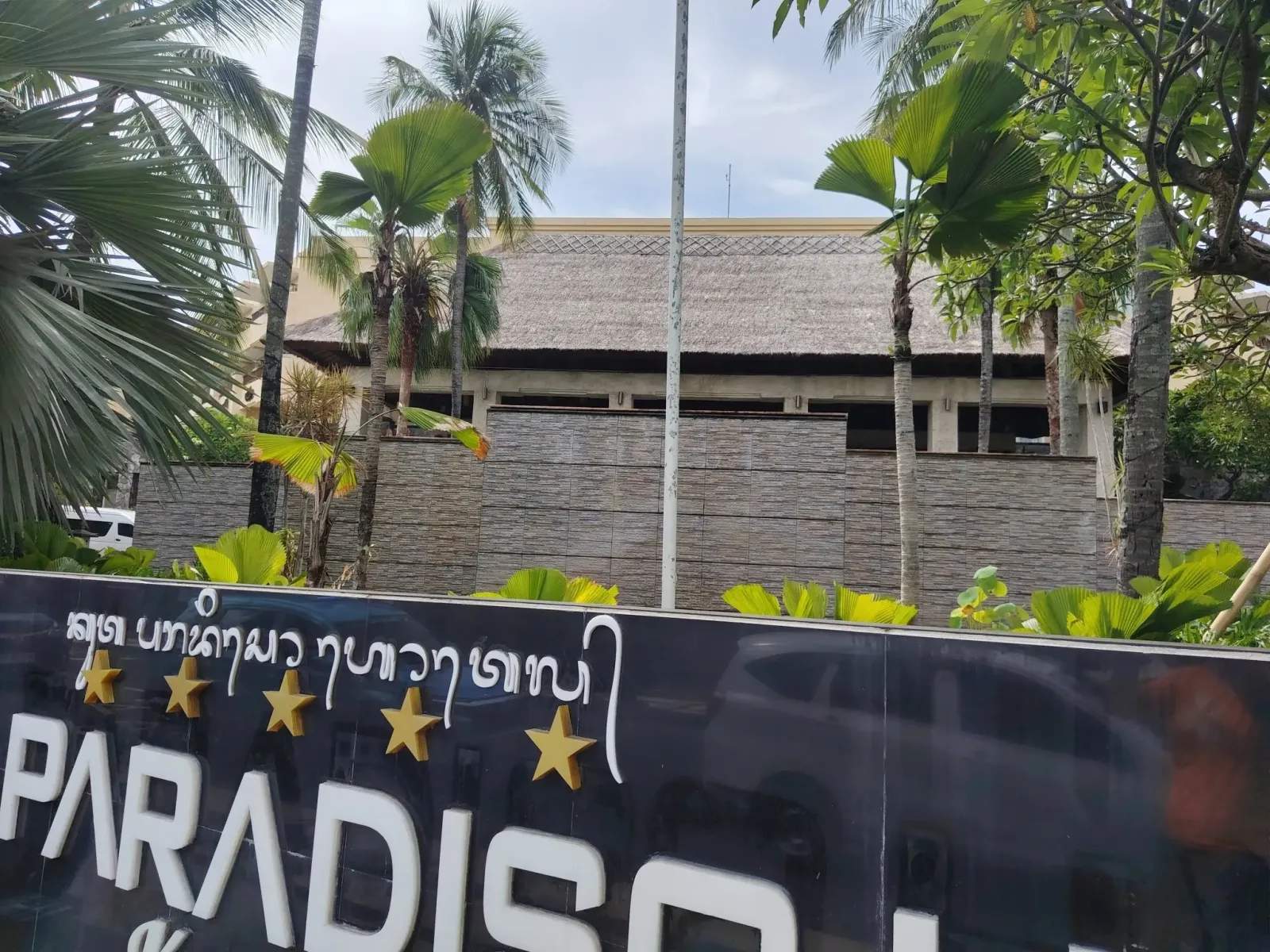
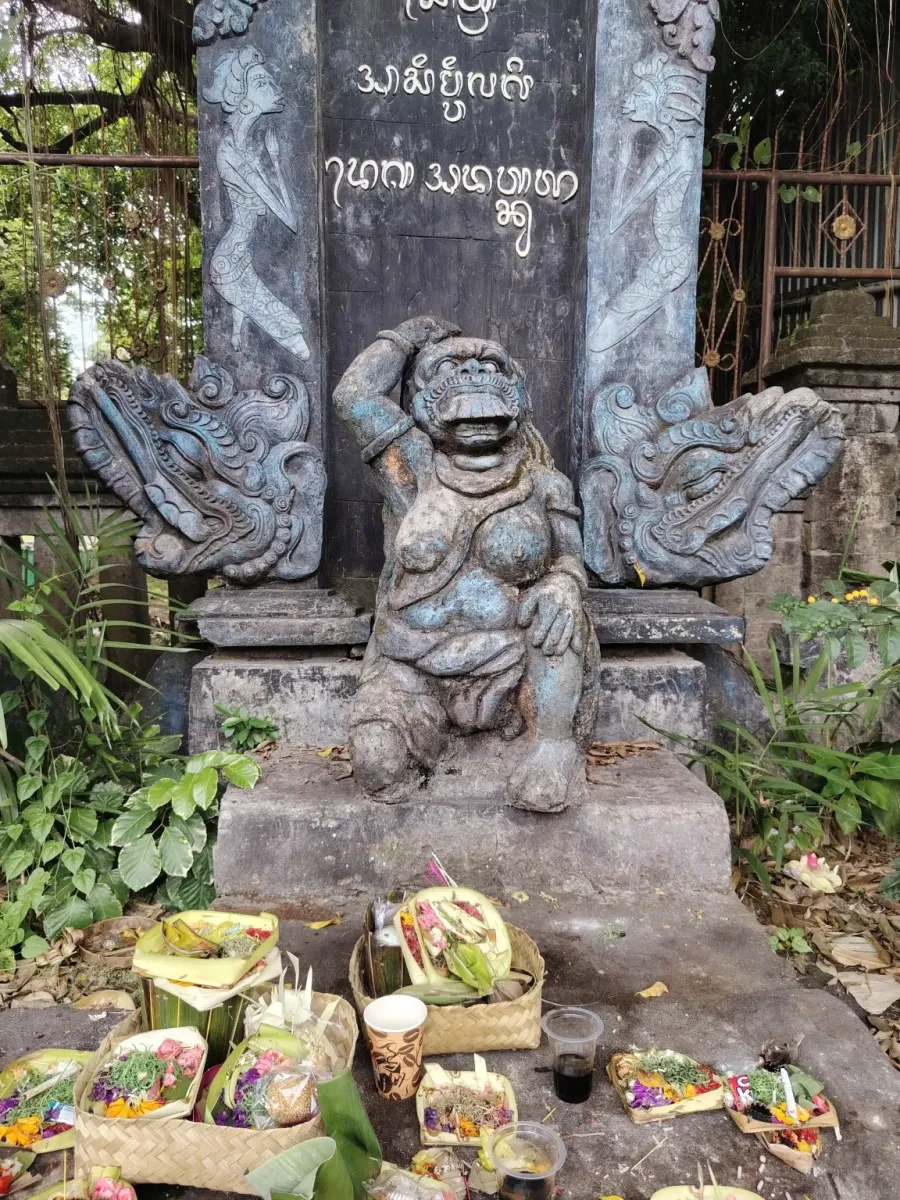
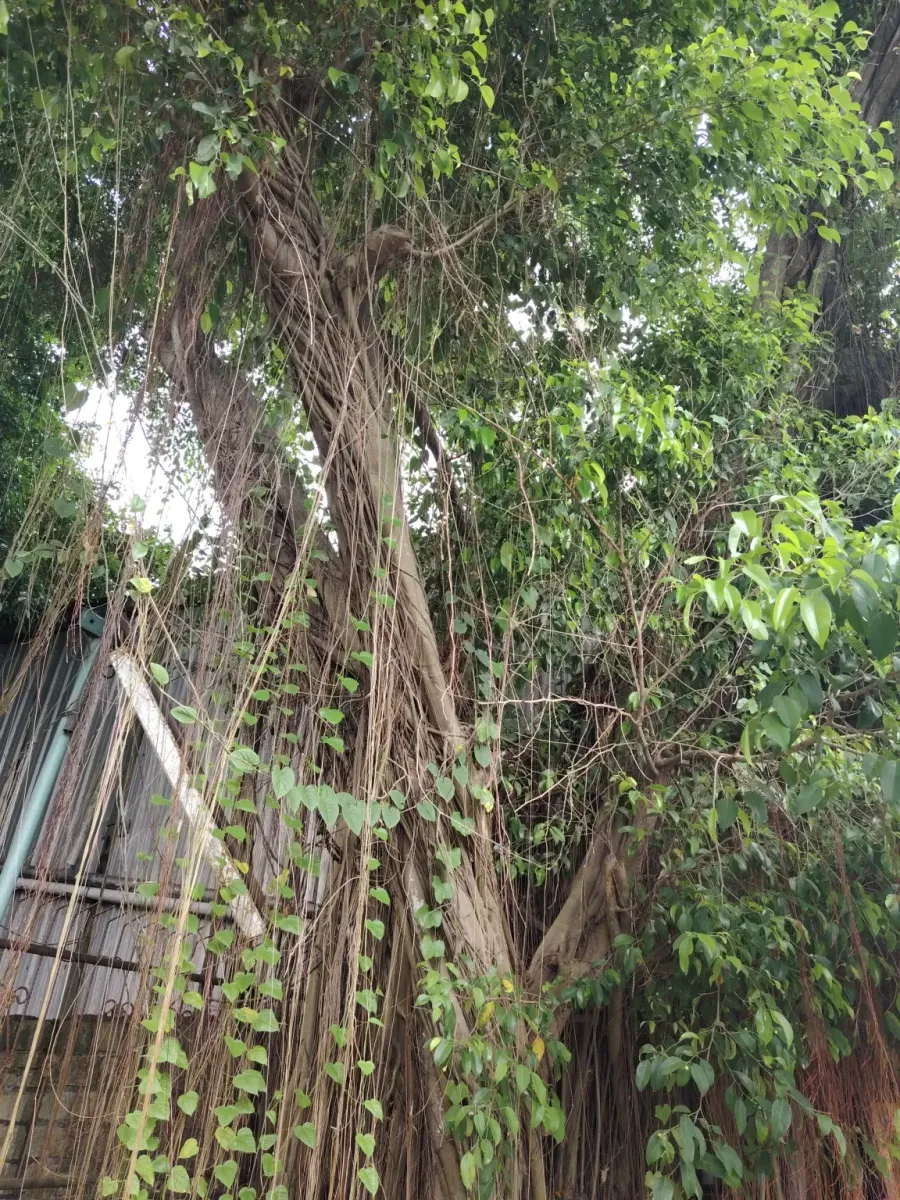
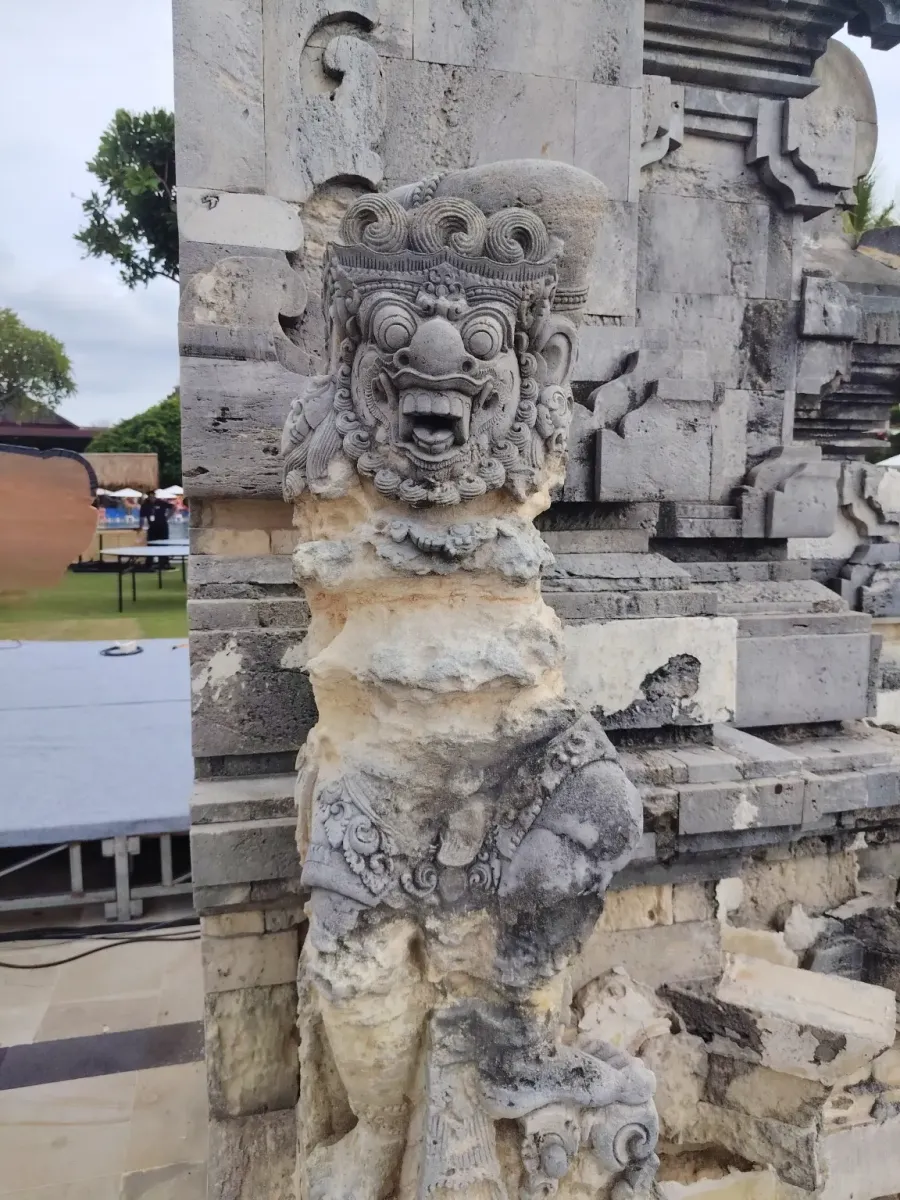
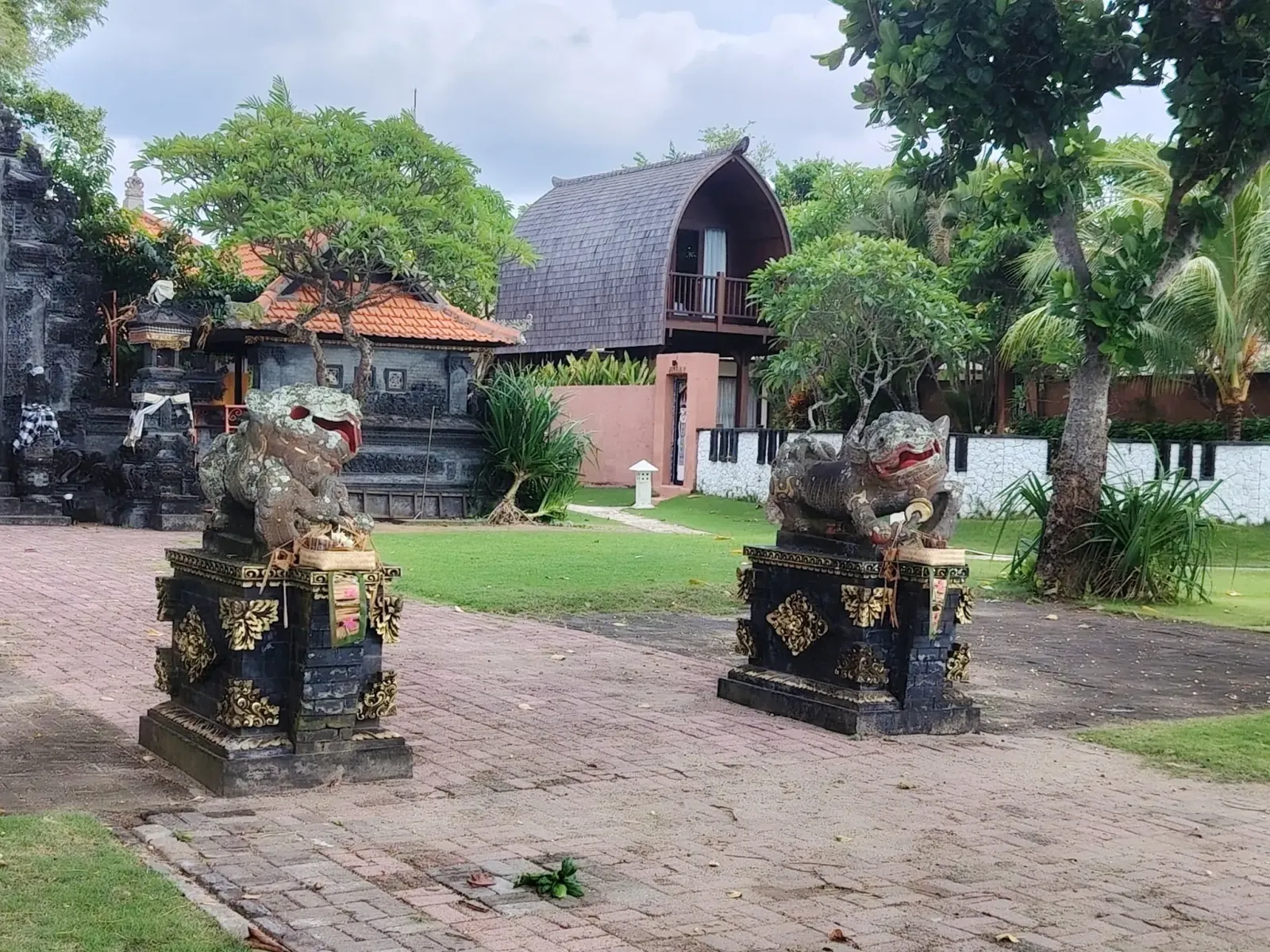
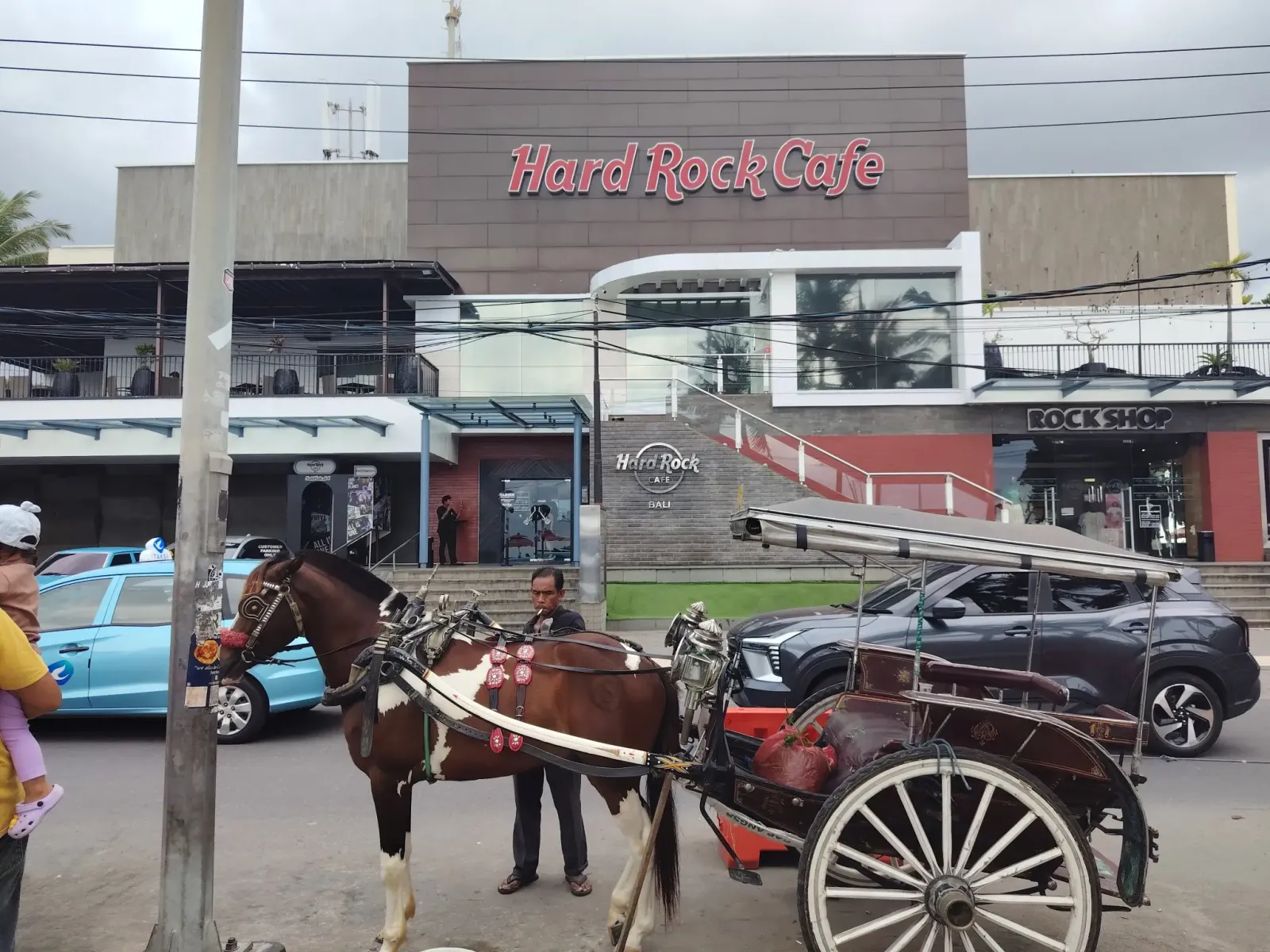
I saw a lot of beautiful buildings and statues during my walk. These are often hidden among modern buildings, showing a beautiful example of the coexistence of the old and the new. Not all buildings are in good condition, and here too it is true that when you turn off the main road you can see a truly real environment. Reality is not as fabulous a few meters away as you might imagine it based on the shopping street. I somehow like this duality: the coexistence of beauty and reality.
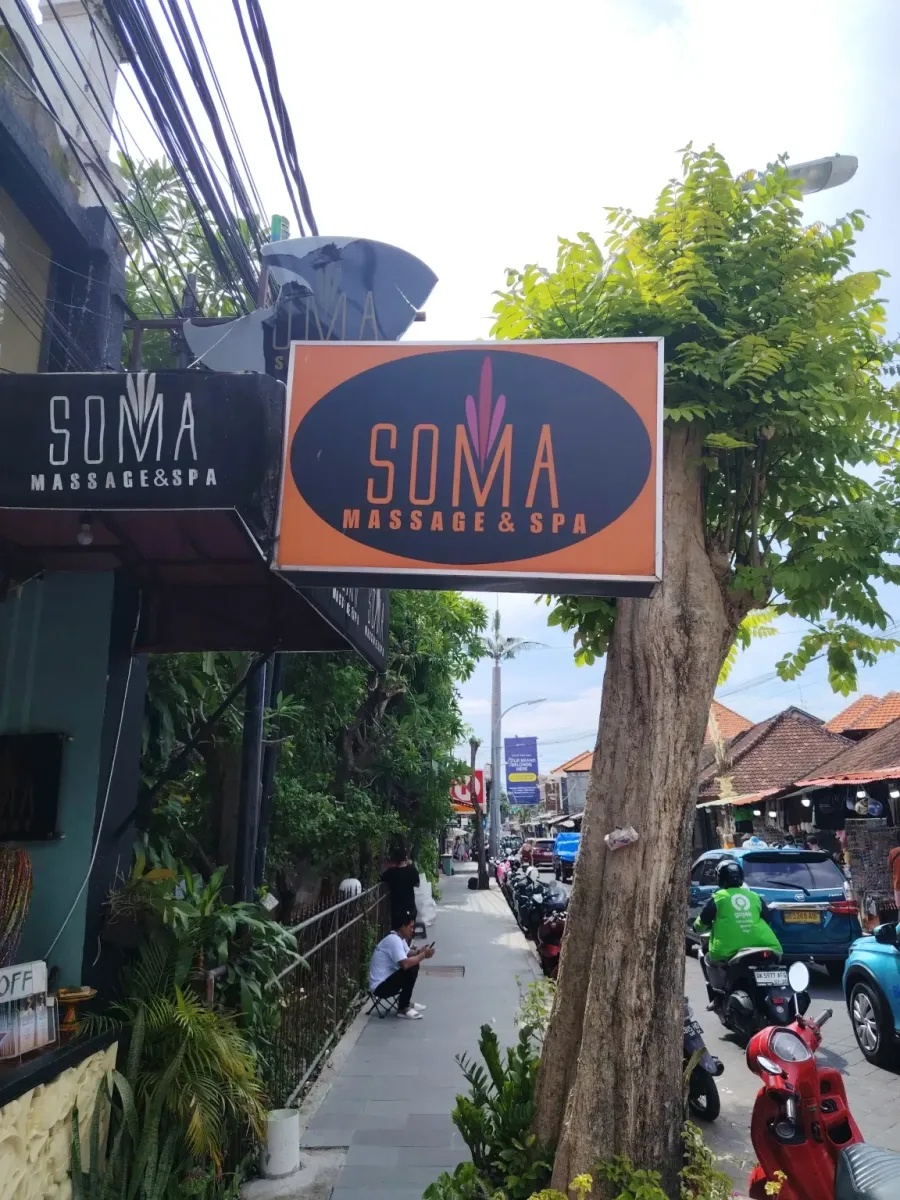
I saw a massage parlor – with my name on it. Of course, his name was not Steve, but Soma.
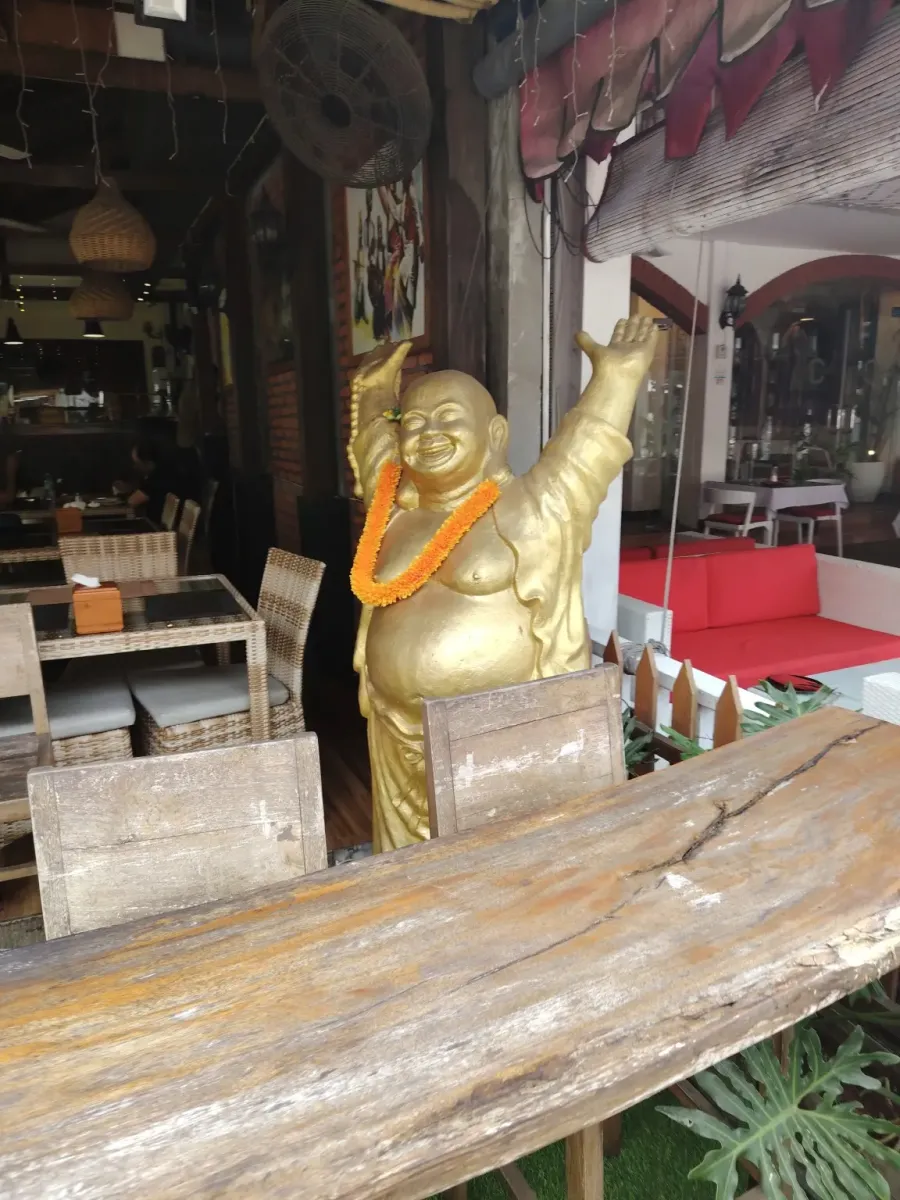
I saw a Buddha with his arms outstretched happily in an Italian restaurant. I haven’t really thought about pizza in the past few months. Now – seeing the picture – I reevaluate my thoughts: maybe the road to enlightenment is paved with pizzas!?
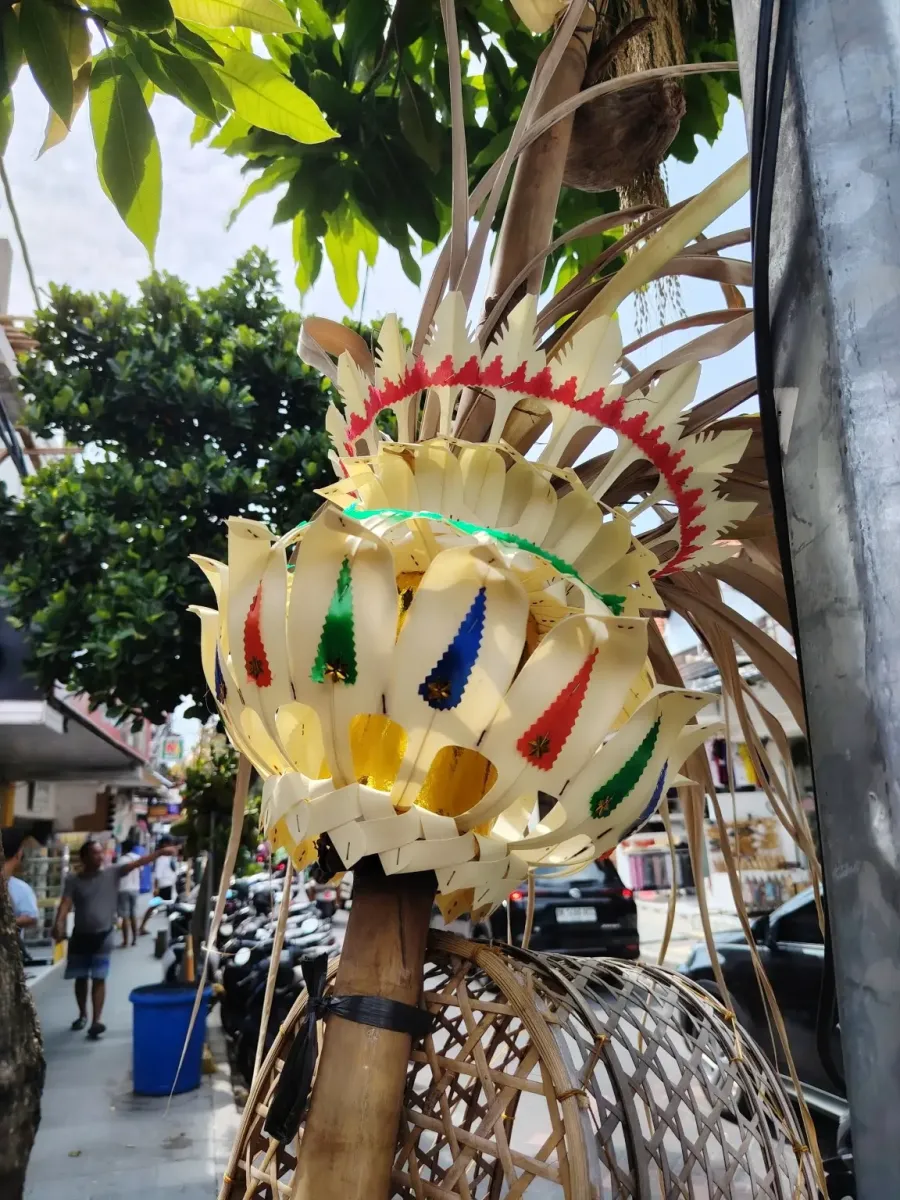
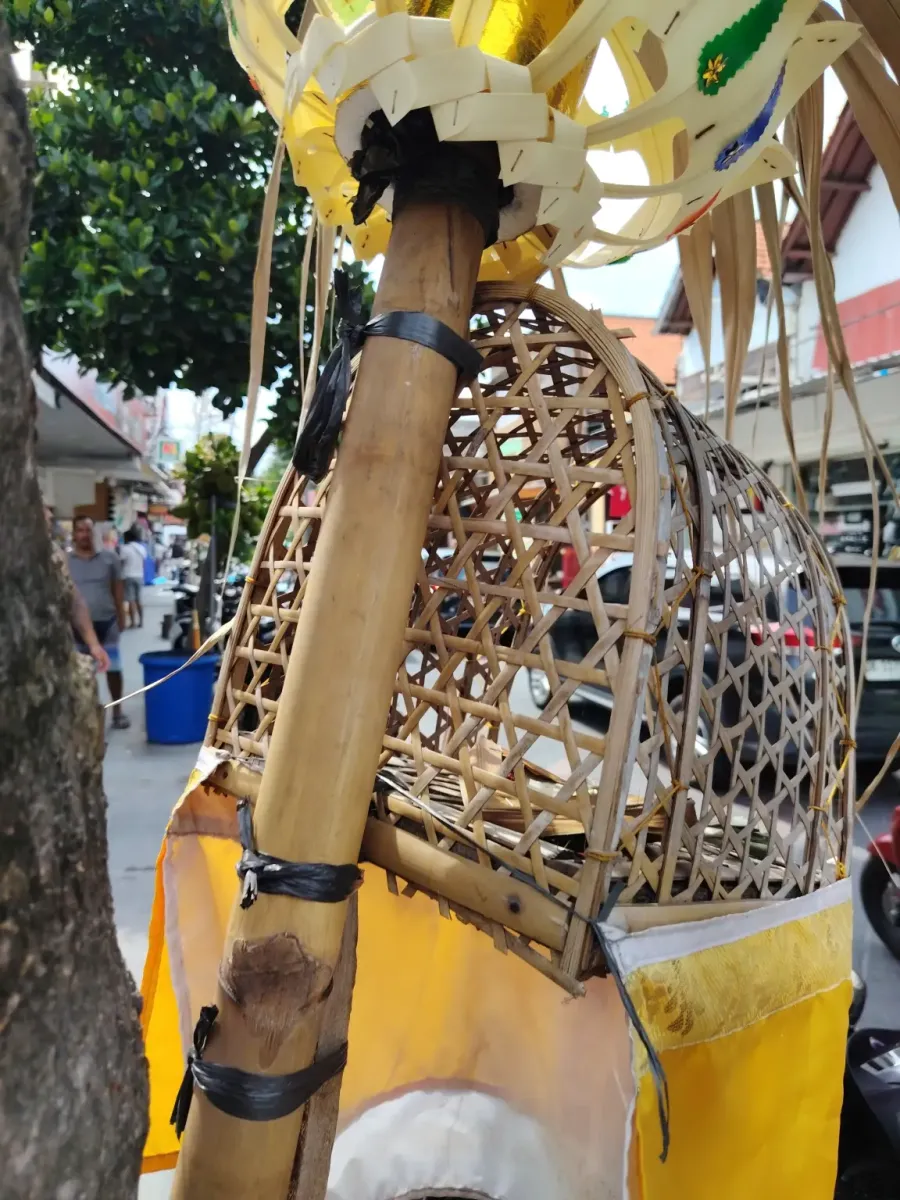
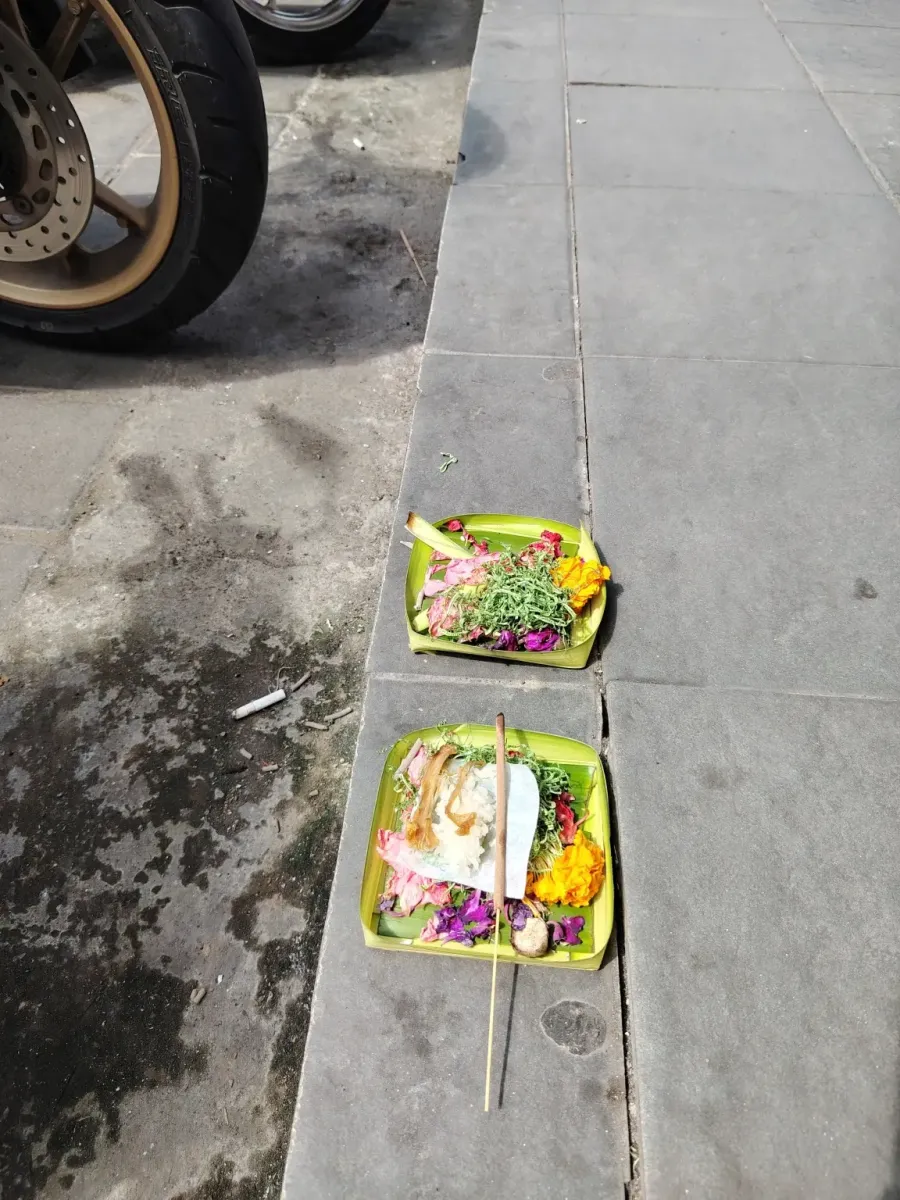
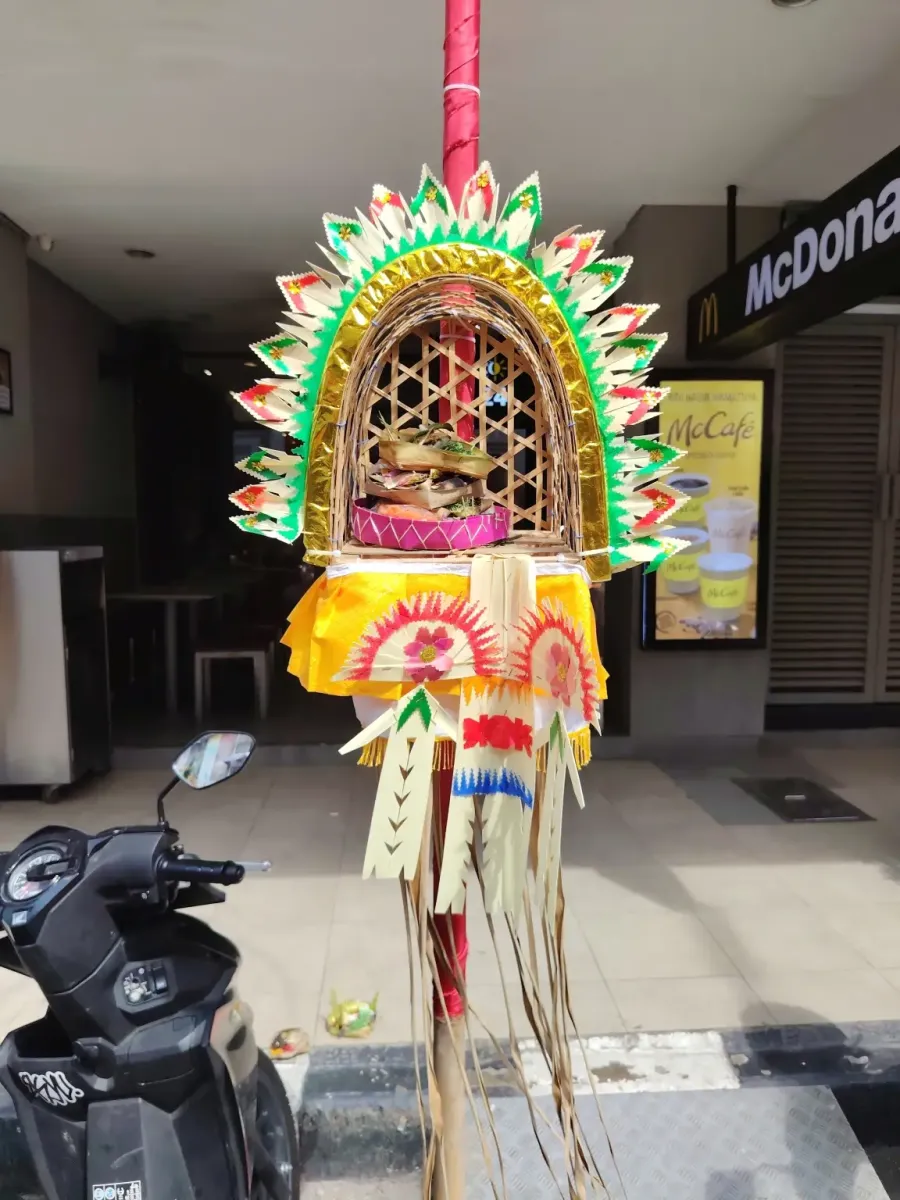
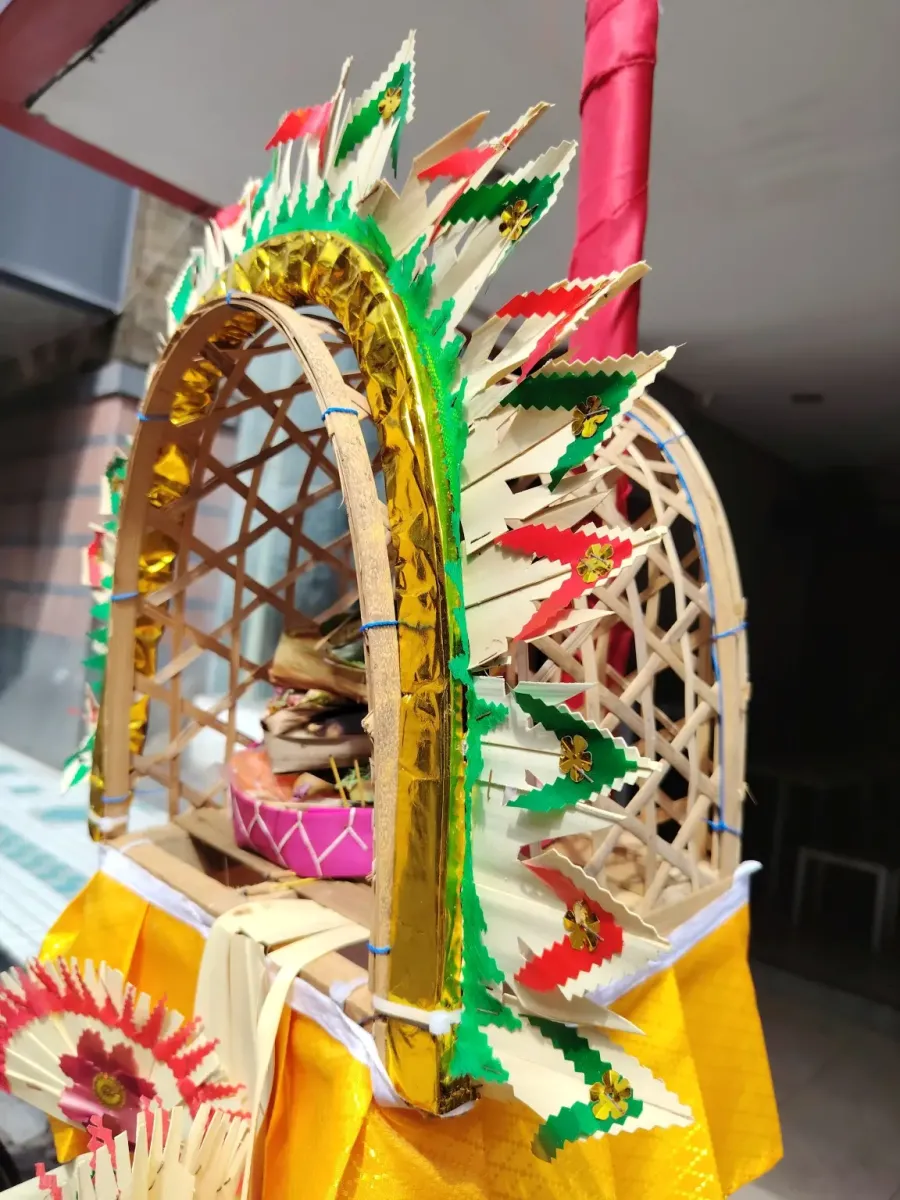
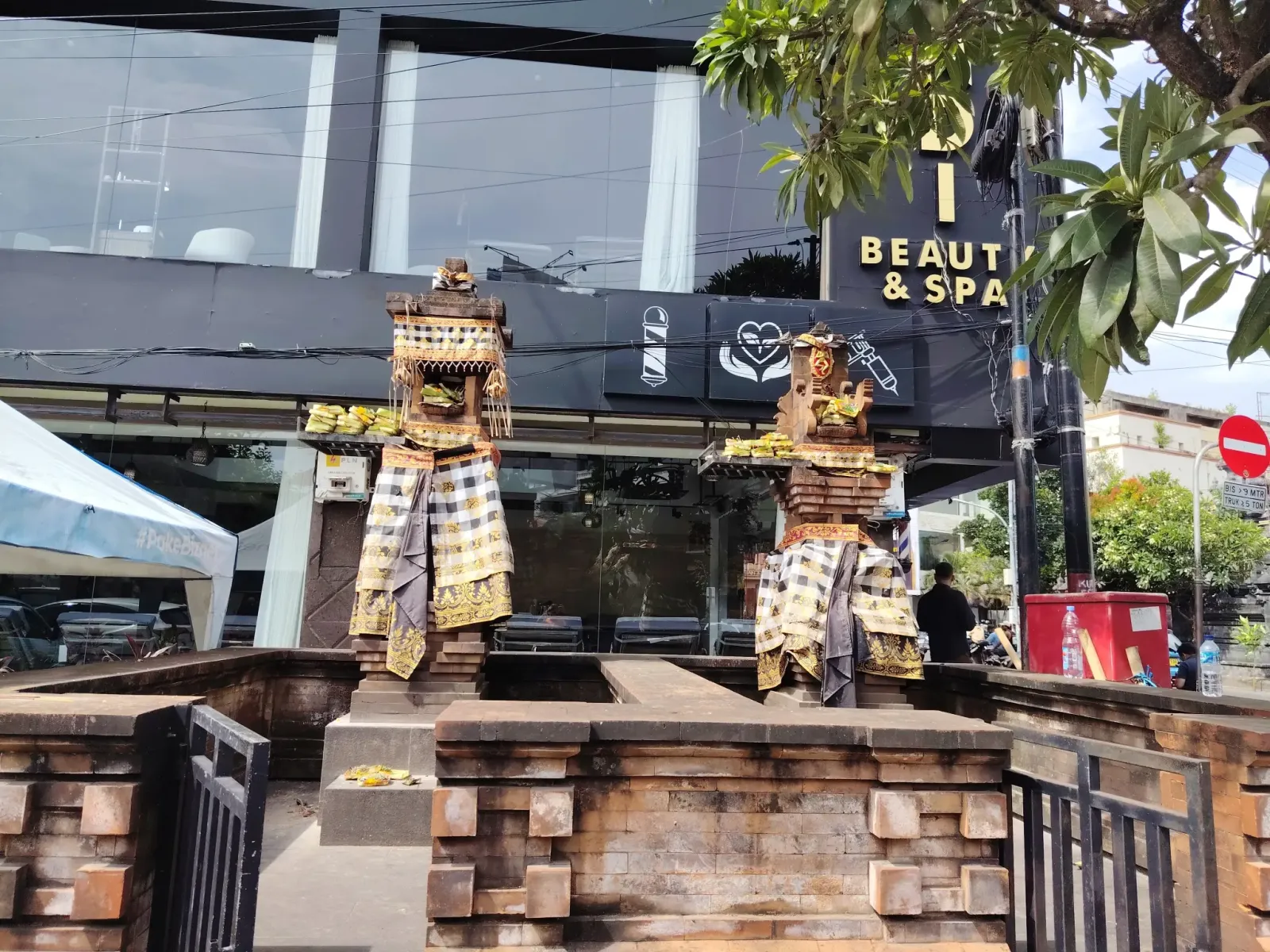
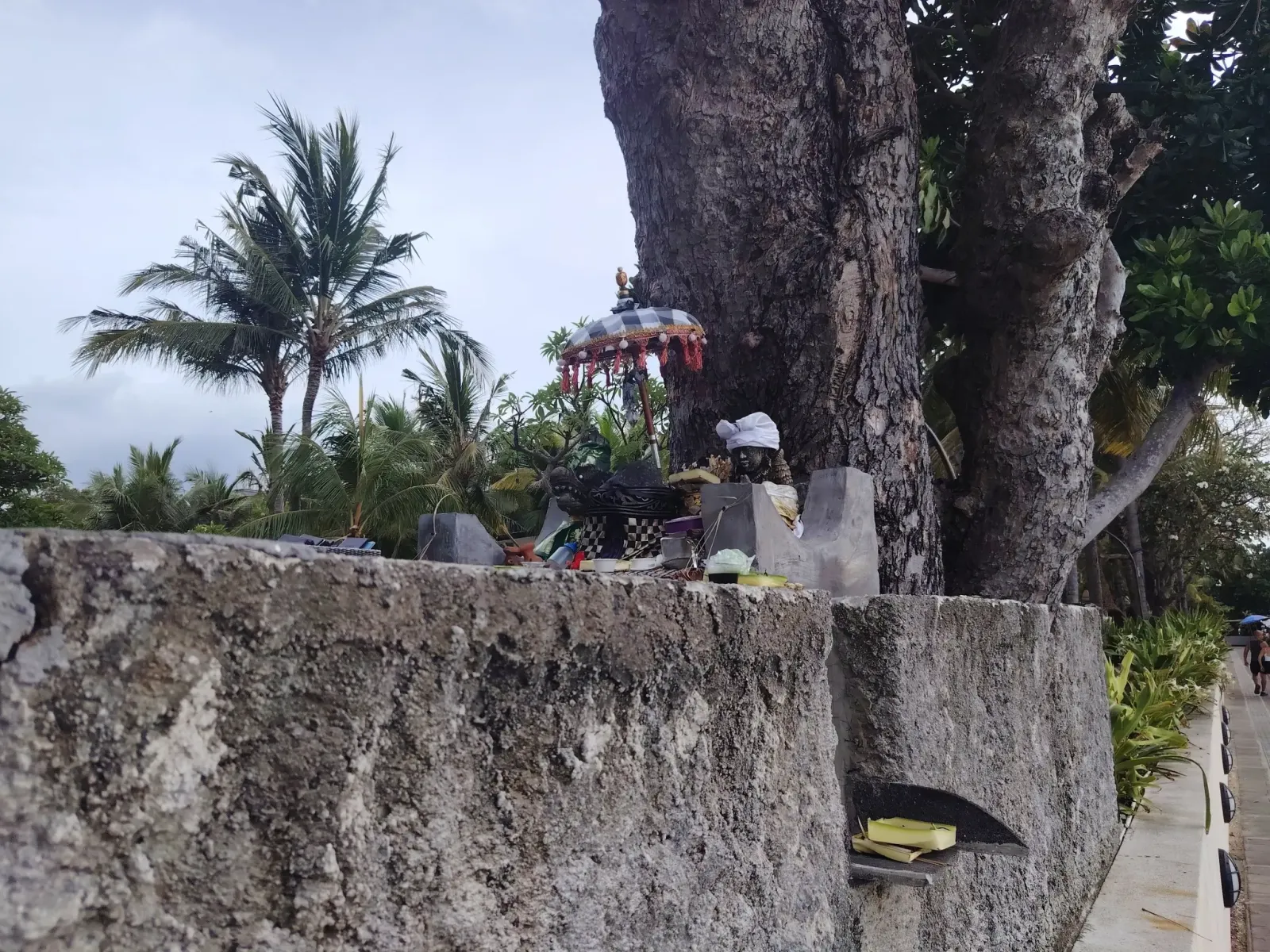
It was interesting to examine the paraphernalia of everyday rituals. In many places, there are bamboo baskets placed on electric poles with food in them. And in many places, there are small handmade bamboo leaf bowls placed on the sidewalk, in which they put flowers, incense, and sometimes food. These are there all day long. I saw how someone makes the little bowls, I saw how respectfully someone else places these “packages” on the sidewalk.
What I saw here are Balinese sacrificial bowls called canang sari.
The canang sari is not a decoration. It is one of the most important gestures of Balinese Hinduism: thanksgiving, “thank you” for the sun, for protection, for life. That is why they are placed on the sidewalk, in front of houses, on motorbikes, at the entrance to shops. And that is why I saw the subtle respectful gesture of putting them down: each bowl is a short prayer.
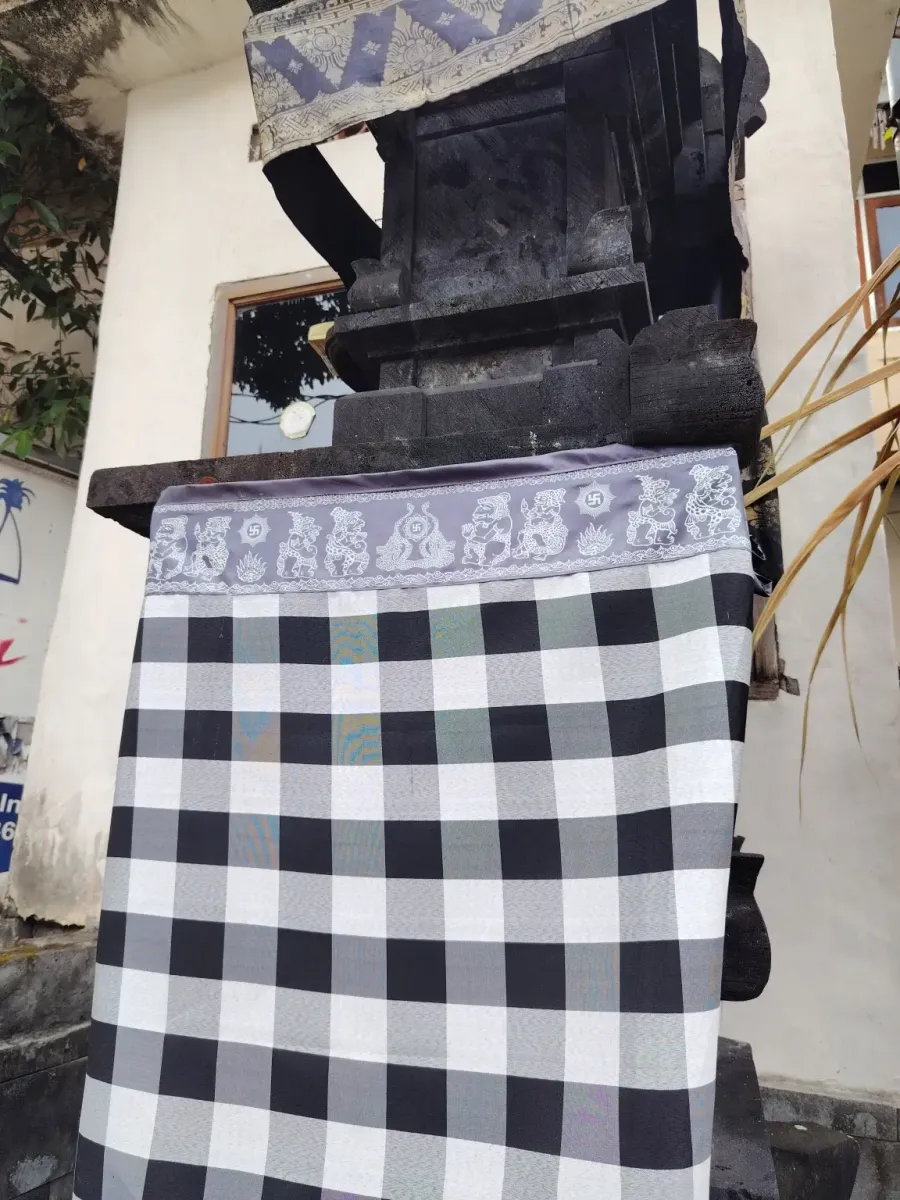
I saw the spirit houses dressed in clothes. These are small shrines known as “penunggun karang” or “sanggah kemulan”, which are often covered with cloth or fabric. This decoration is not accidental: it has deep cultural and spiritual meaning. According to Balinese Hinduism, these spirit houses are the homes of guardian spirits – the dwellings of the guardians of the house, street or plot. The cloth draped over them means: “I respect you, you are important to the place, please watch over us.”
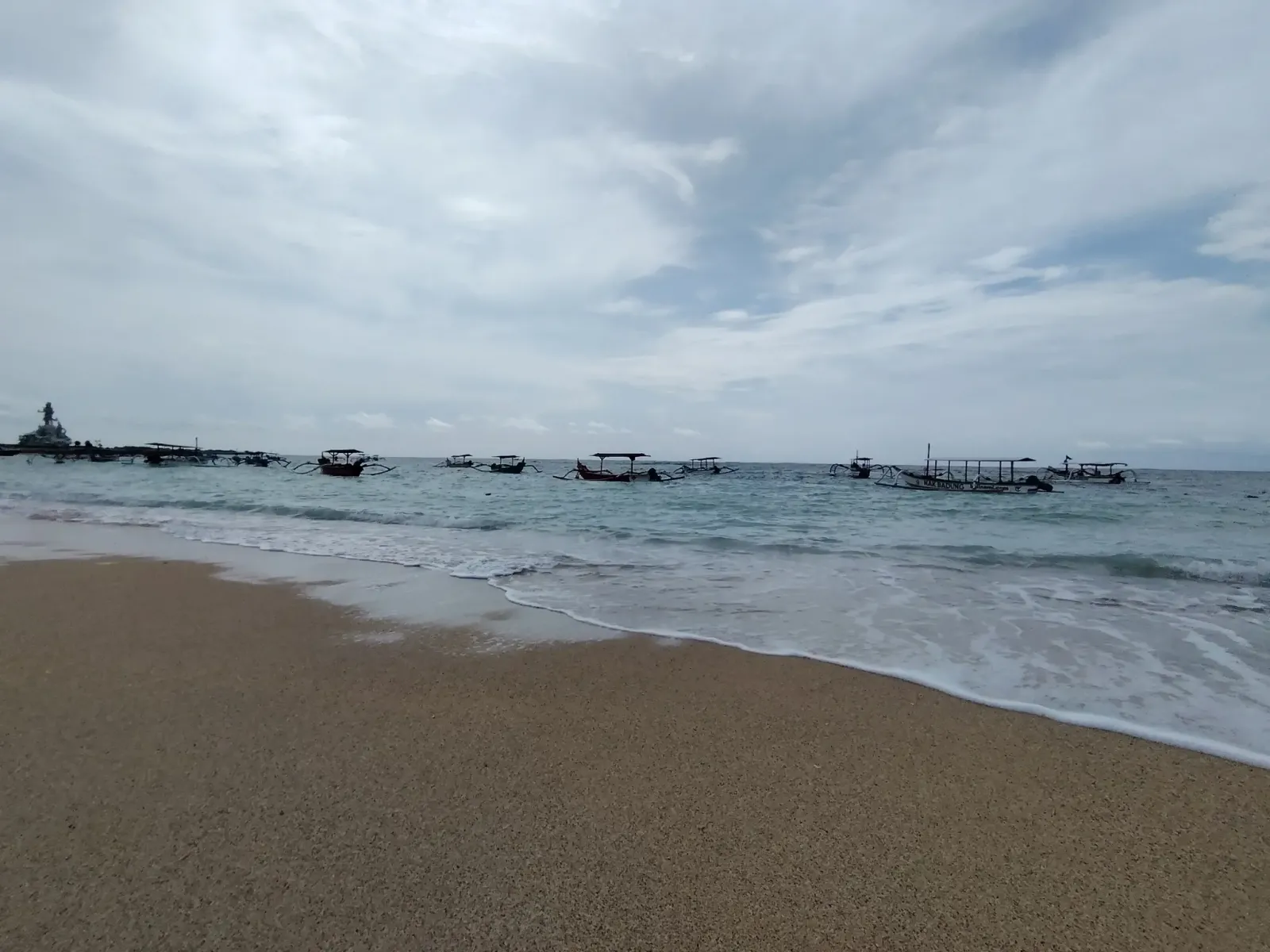
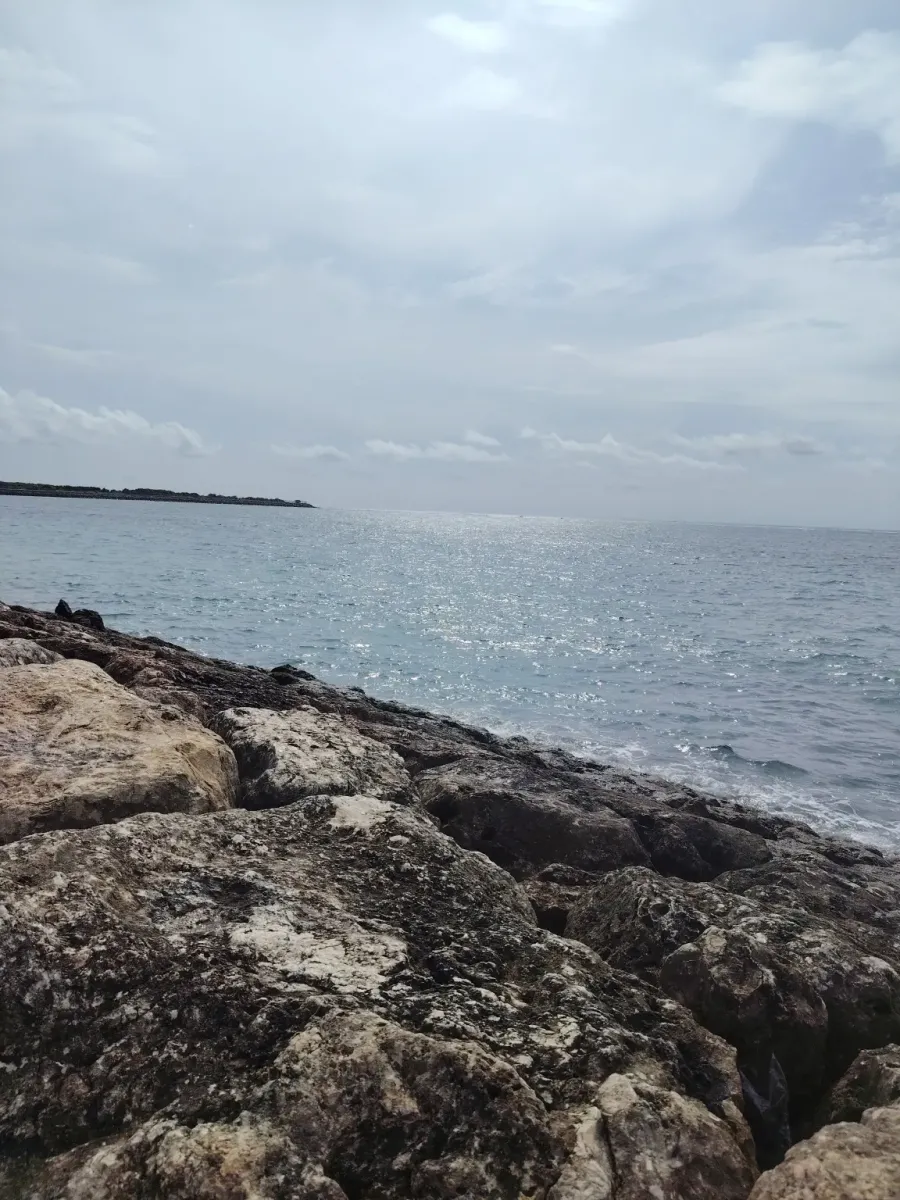
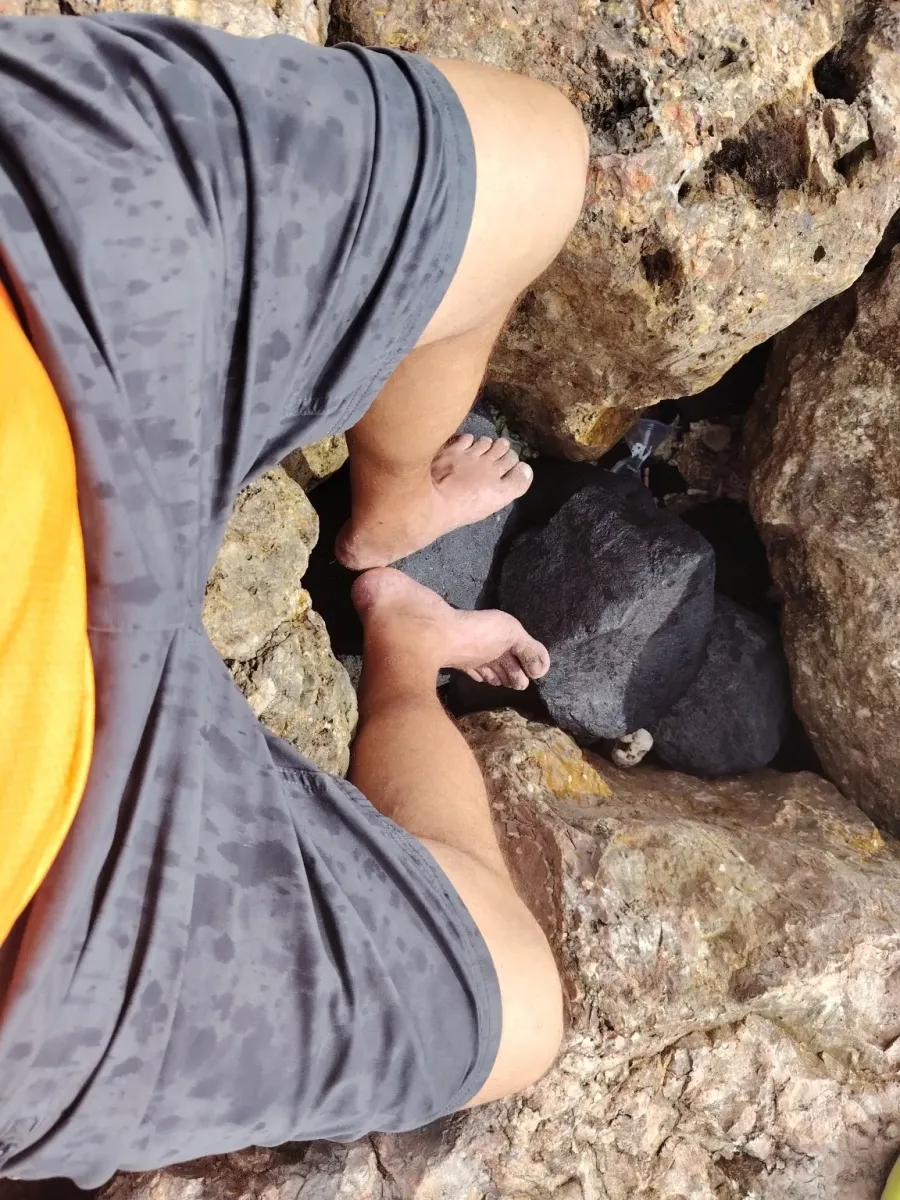
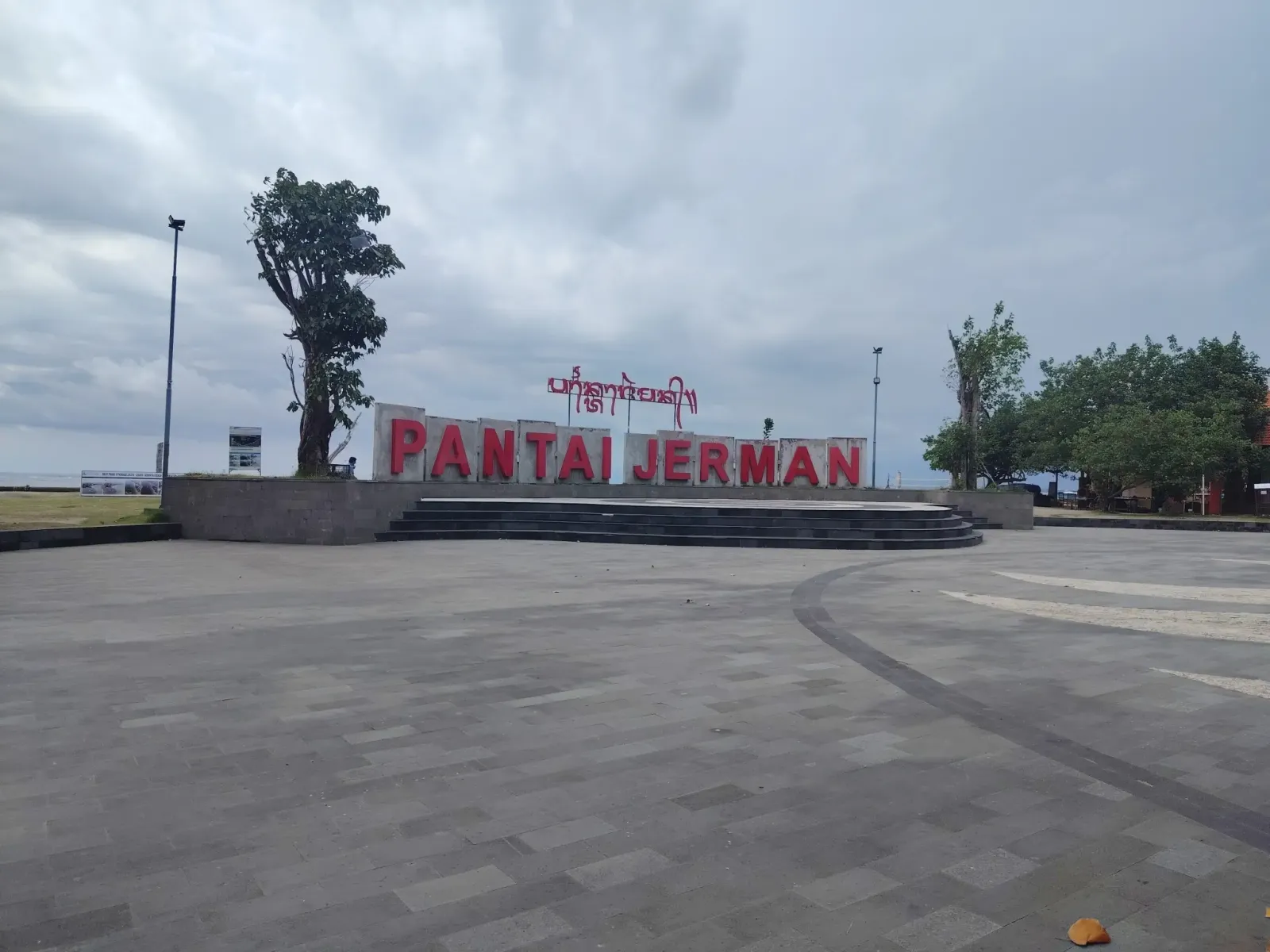
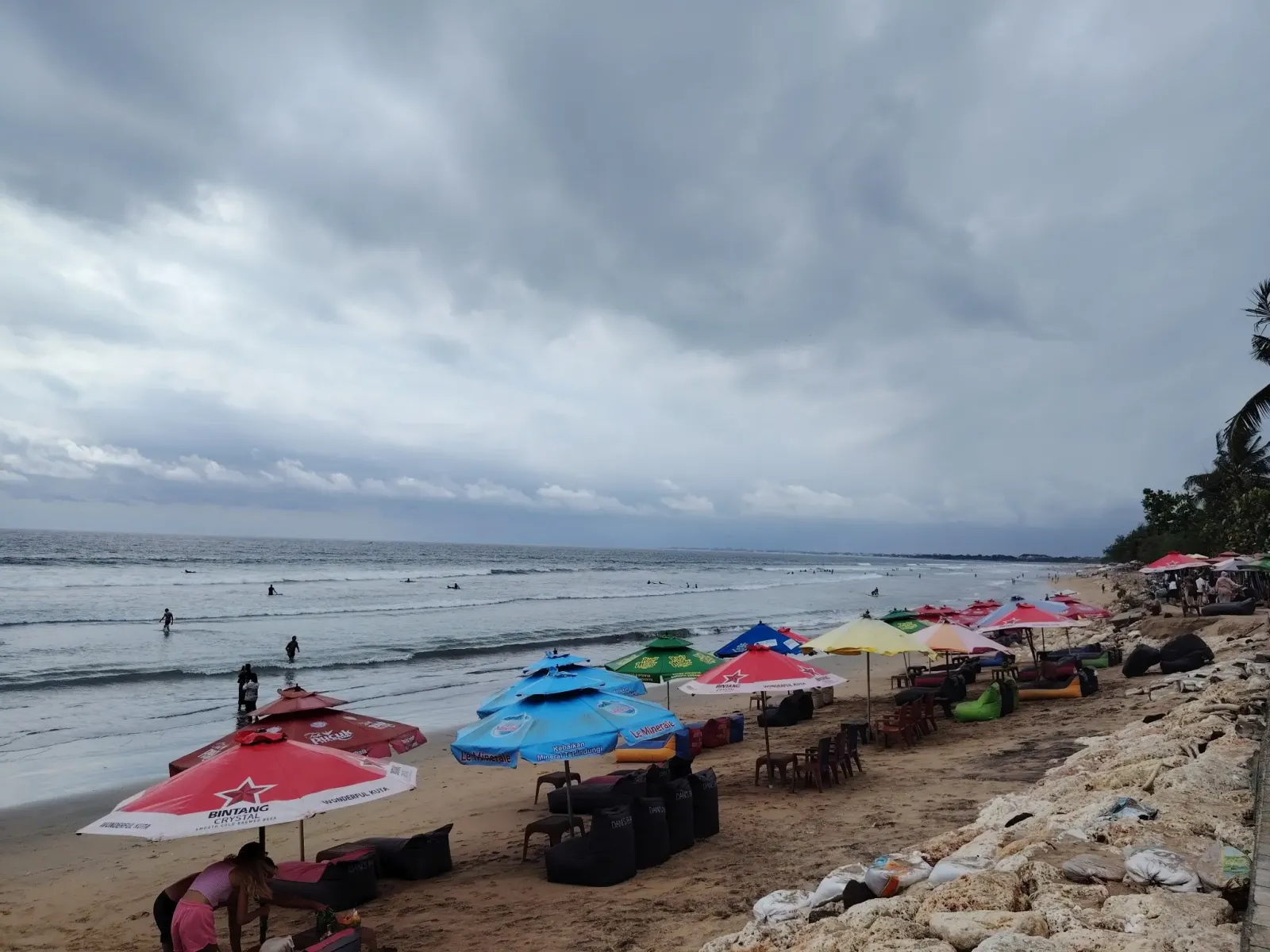
Then I slowly made my way down to the beach. It is indeed not far from my current home. The weather was a bit cloudy, but the occasional rain didn’t bother me at all. My feet were already wet and sandy.
I took a long walk in the sea on foot. There were dogs here too, but they didn’t pay any attention to me. It was nice to see how much they enjoyed rolling around in the warm sand. They were playing with their teeth. I swear, they were having a great time.
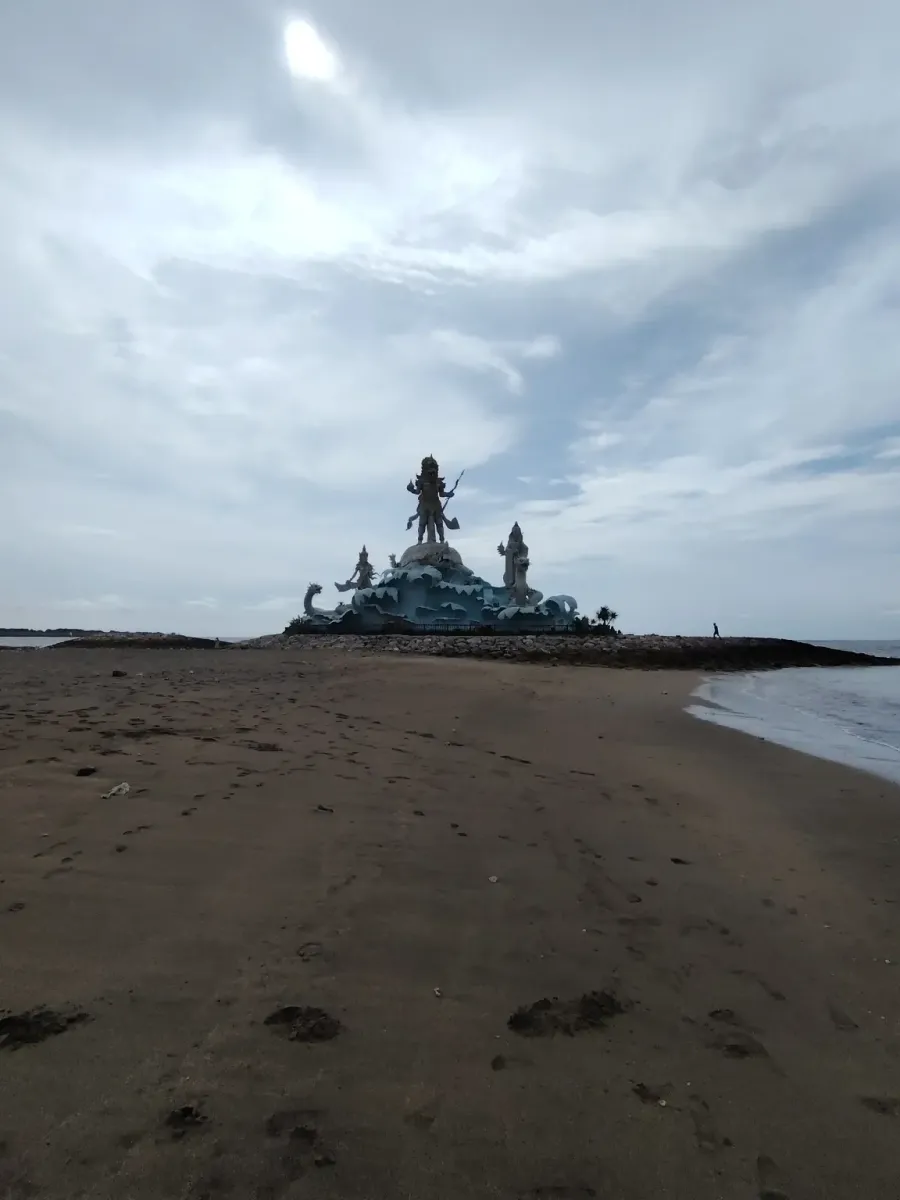
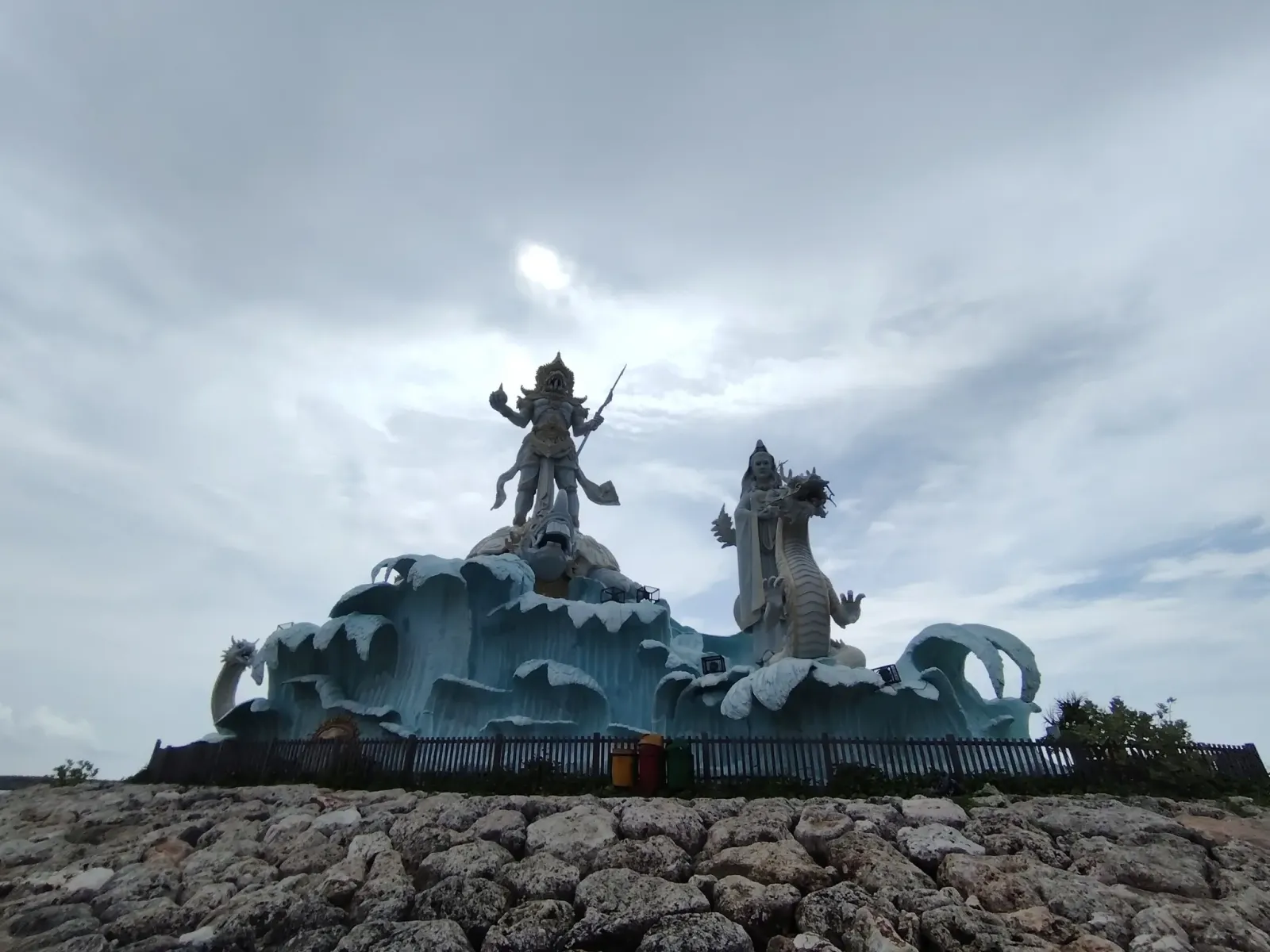
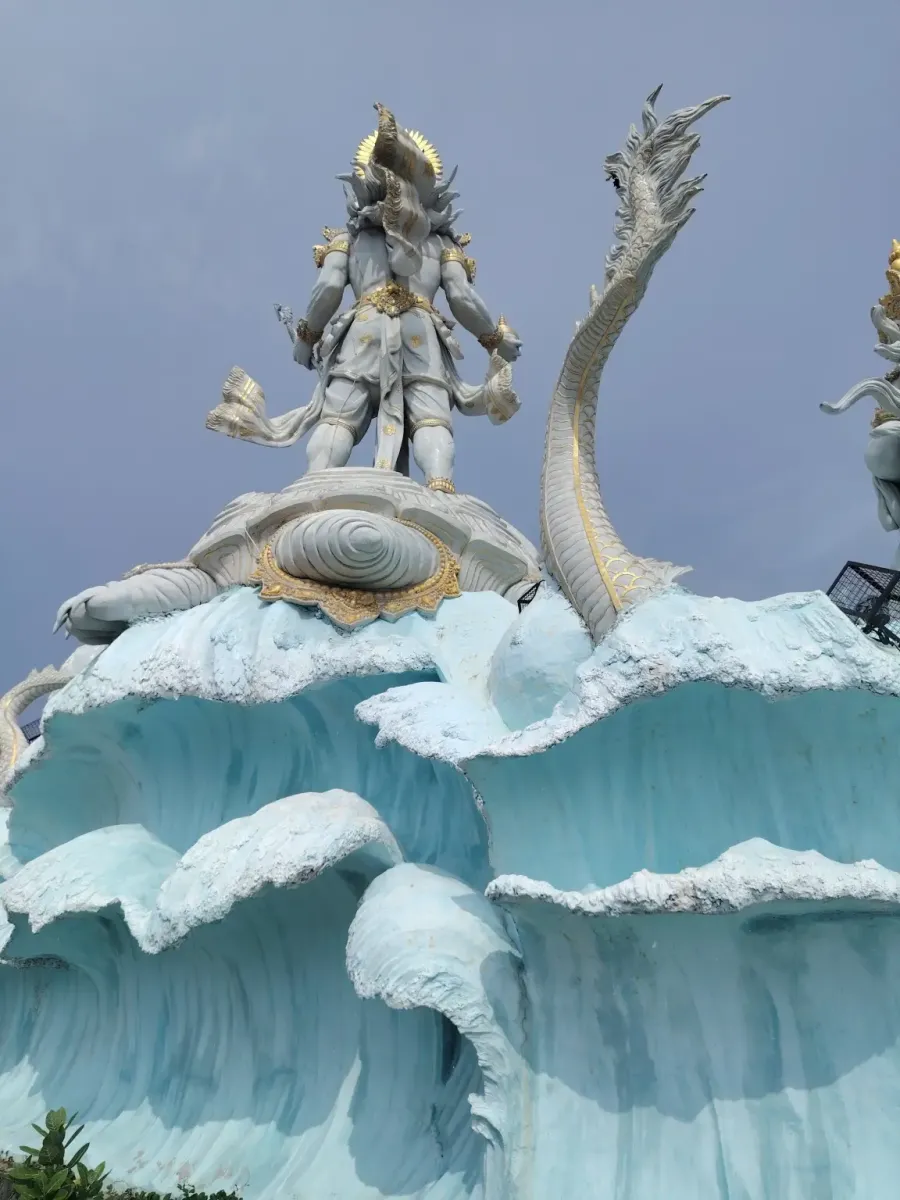
I noticed a group of statues that seemed huge in a far corner of the bay. I walked that far. The statues were facing the mainland, their backs to the sea. I sat down here for a meditation.
It was a special experience. The soft murmur of the sea – which I already know -, along with the sunlight warming my body and the sting of the rain falling gently on my face. I really enjoyed this immersion.
Afterwards, I also sat on the beach for a while, which I guess I made a mistake with, but I’ll tell you about that a little later.
On the way back, it was nice to see the people. They were sitting together in all sorts of places. Some were having a barbecue. Some were preparing to go surfing in groups, or were playing volleyball. The emphasis was on people spending their day in groups. I would have liked to have joined the volleyball team. I suspect they would have included me in the team…
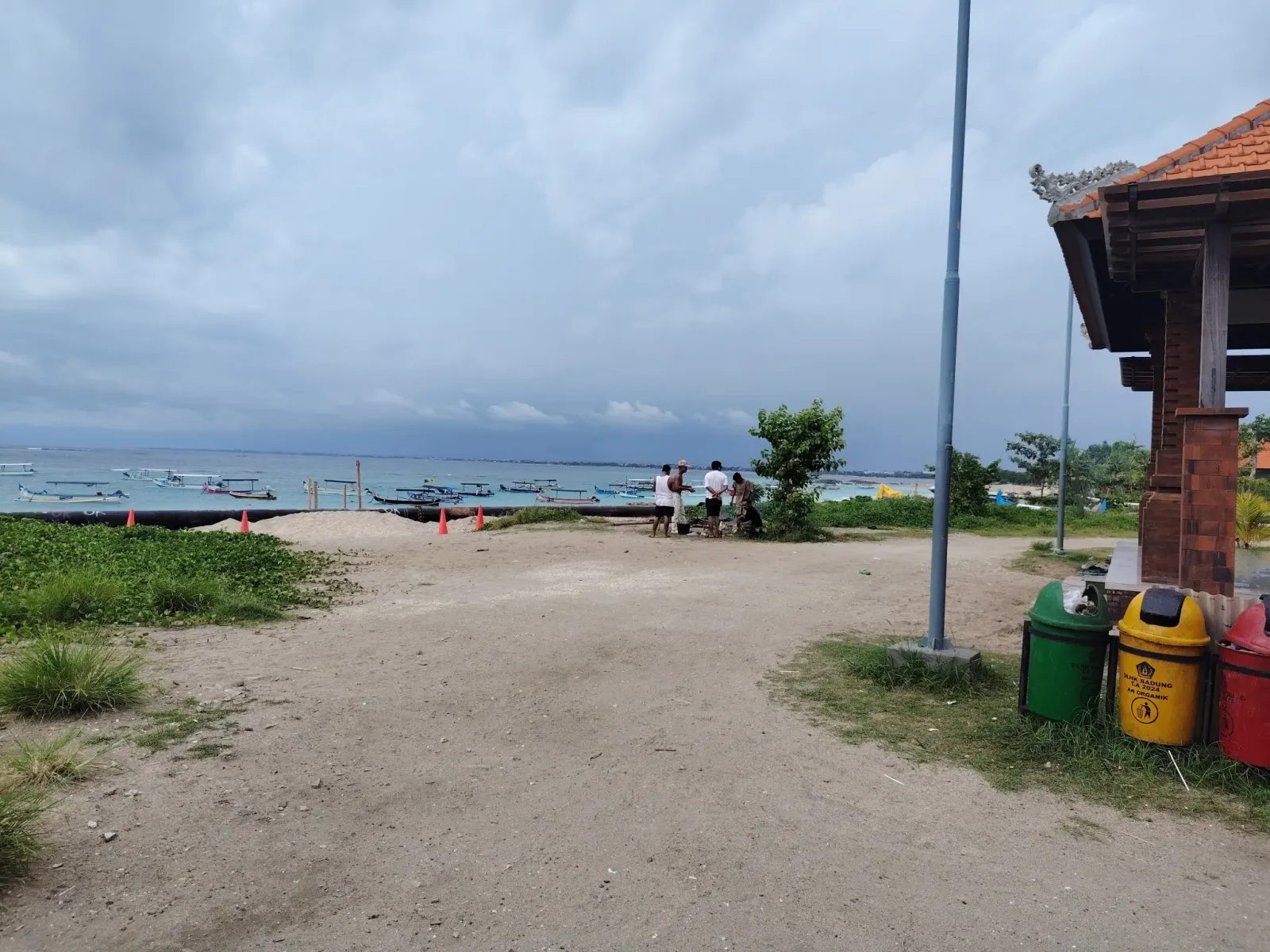
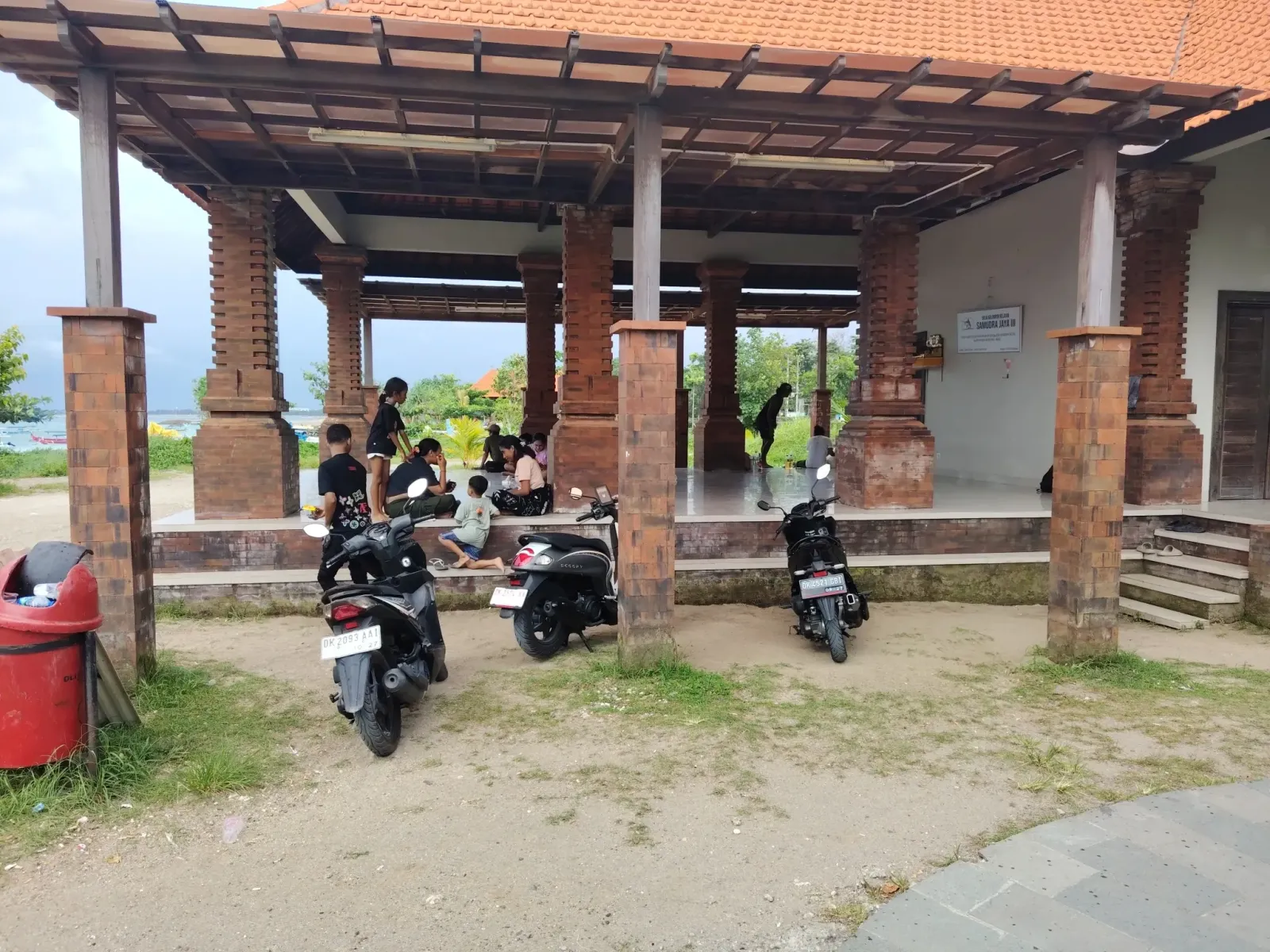
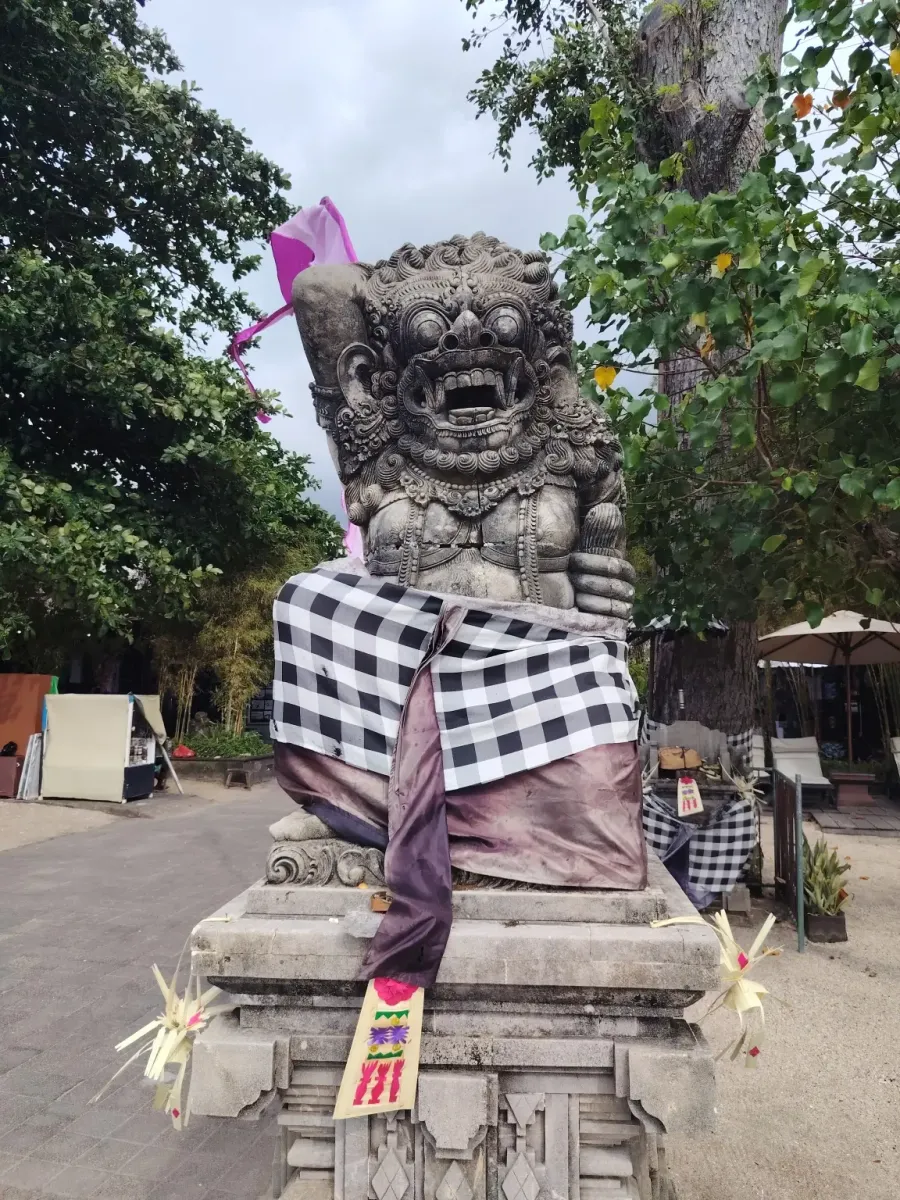
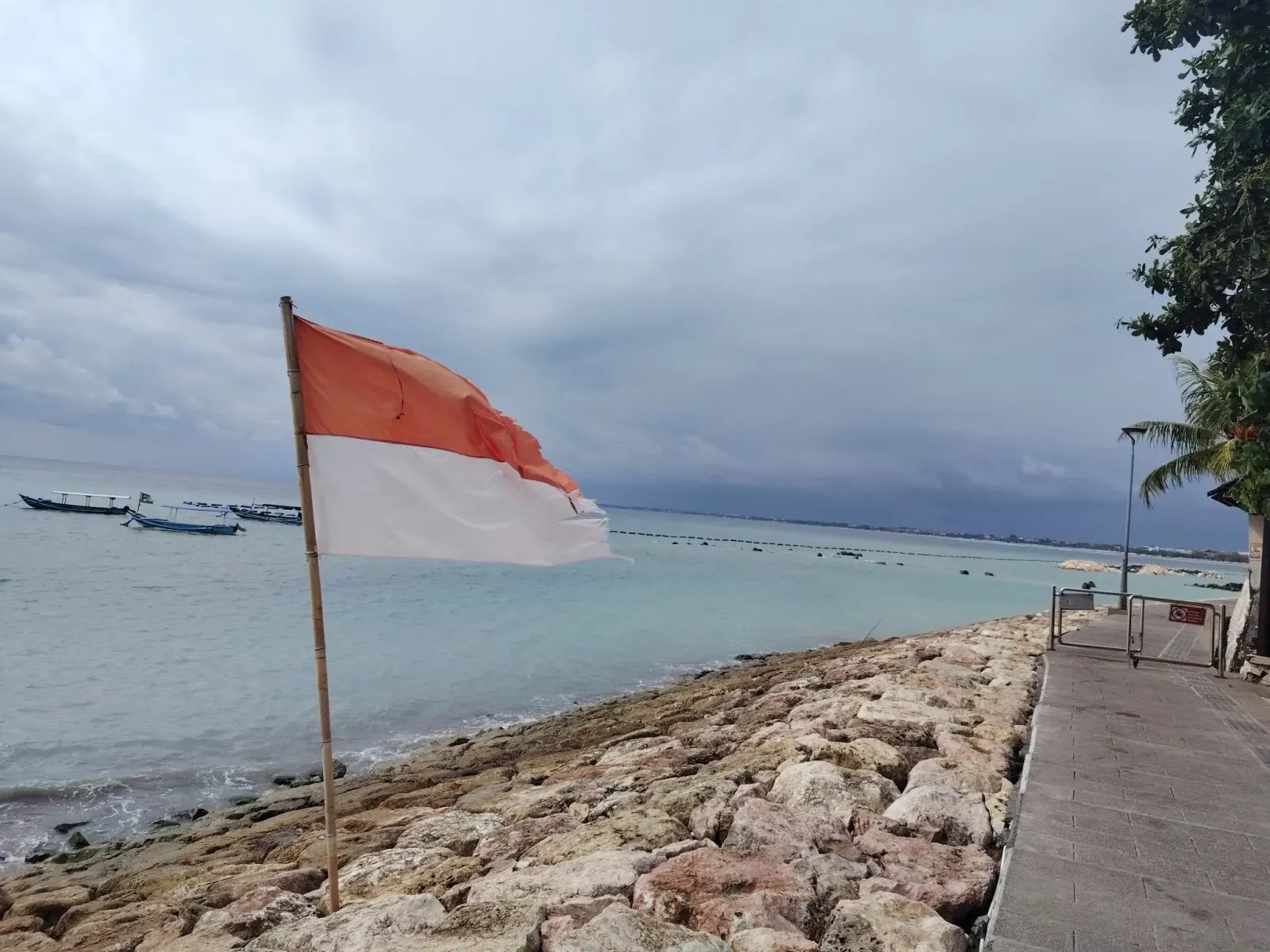
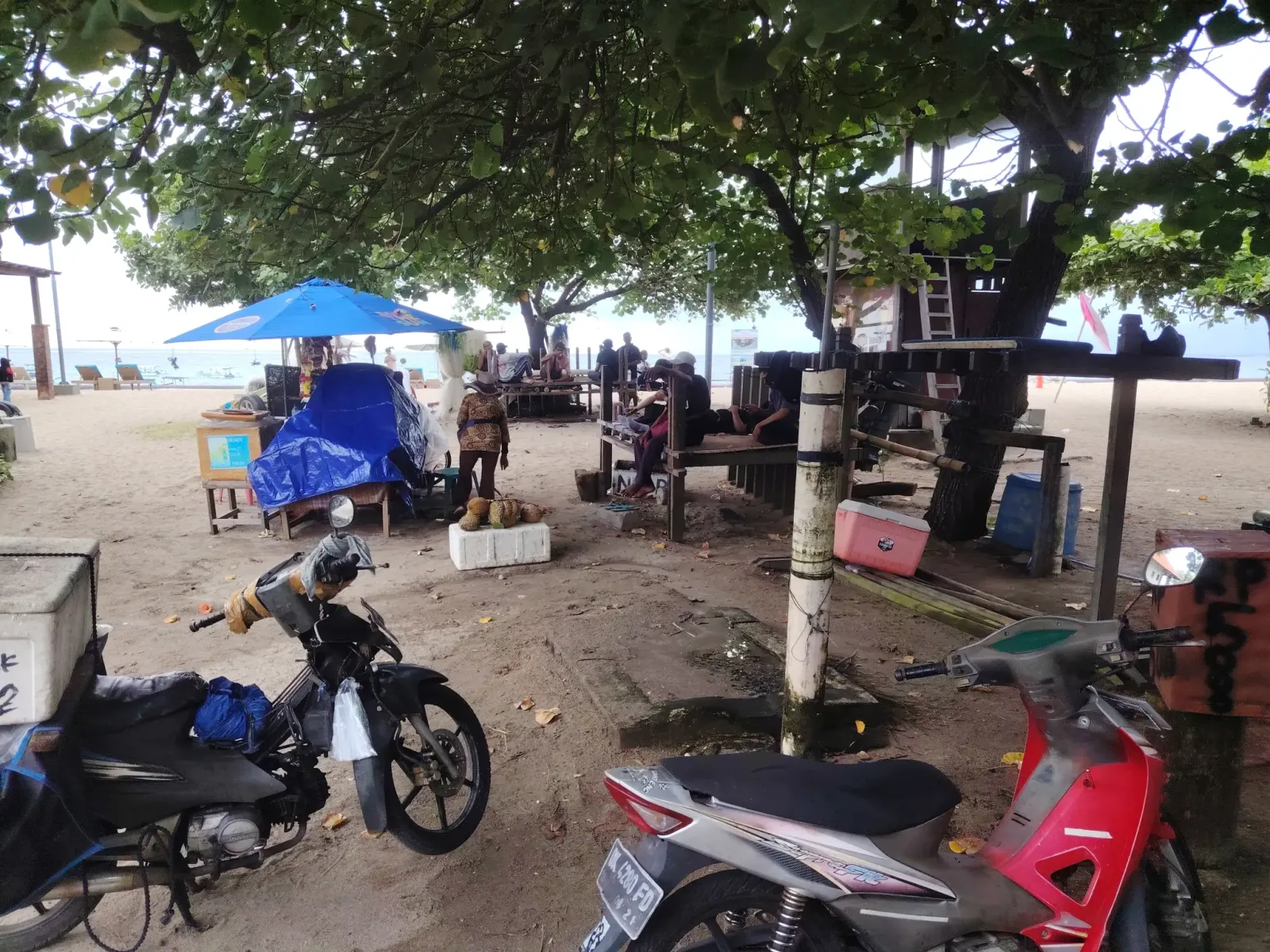
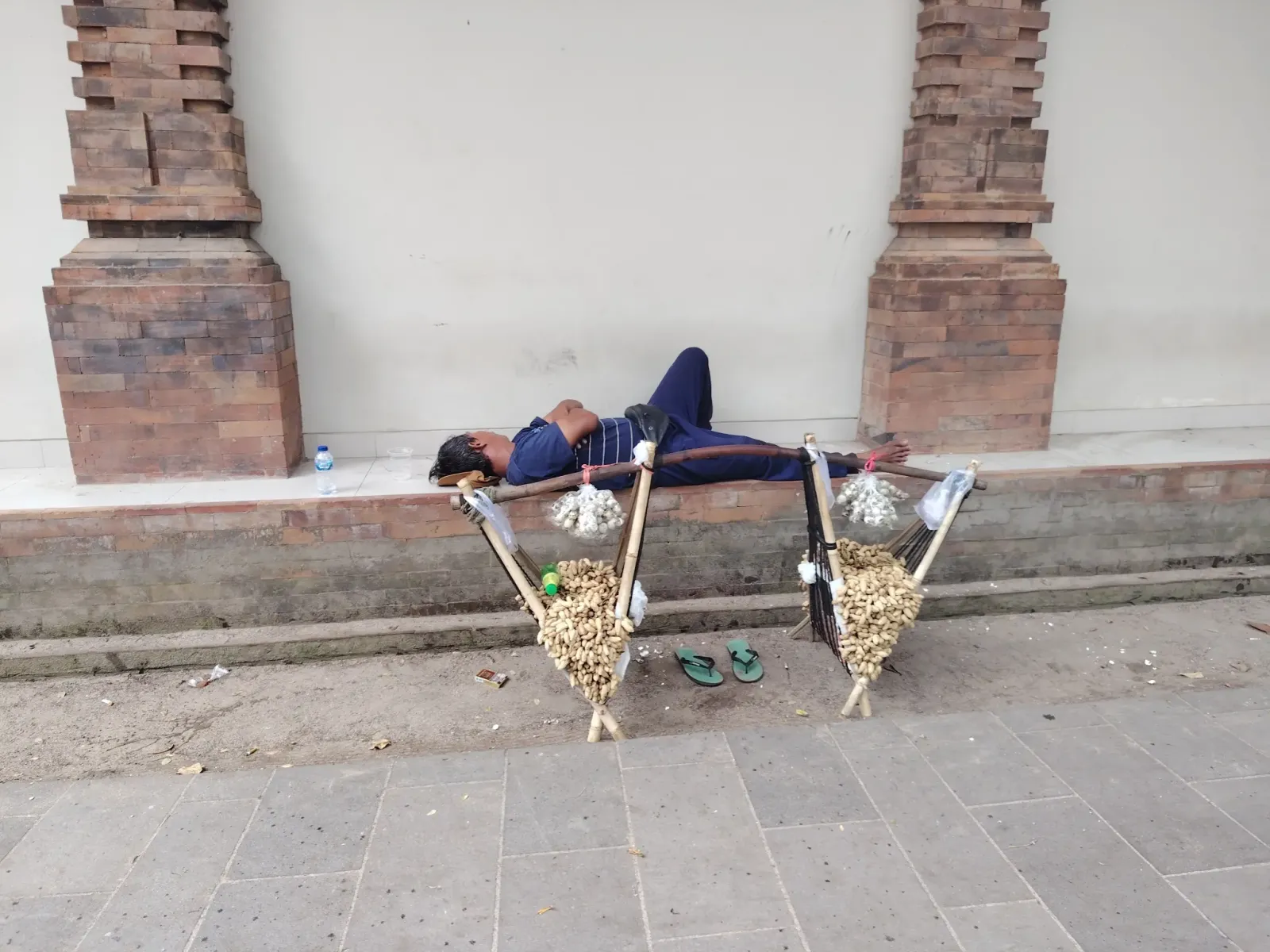
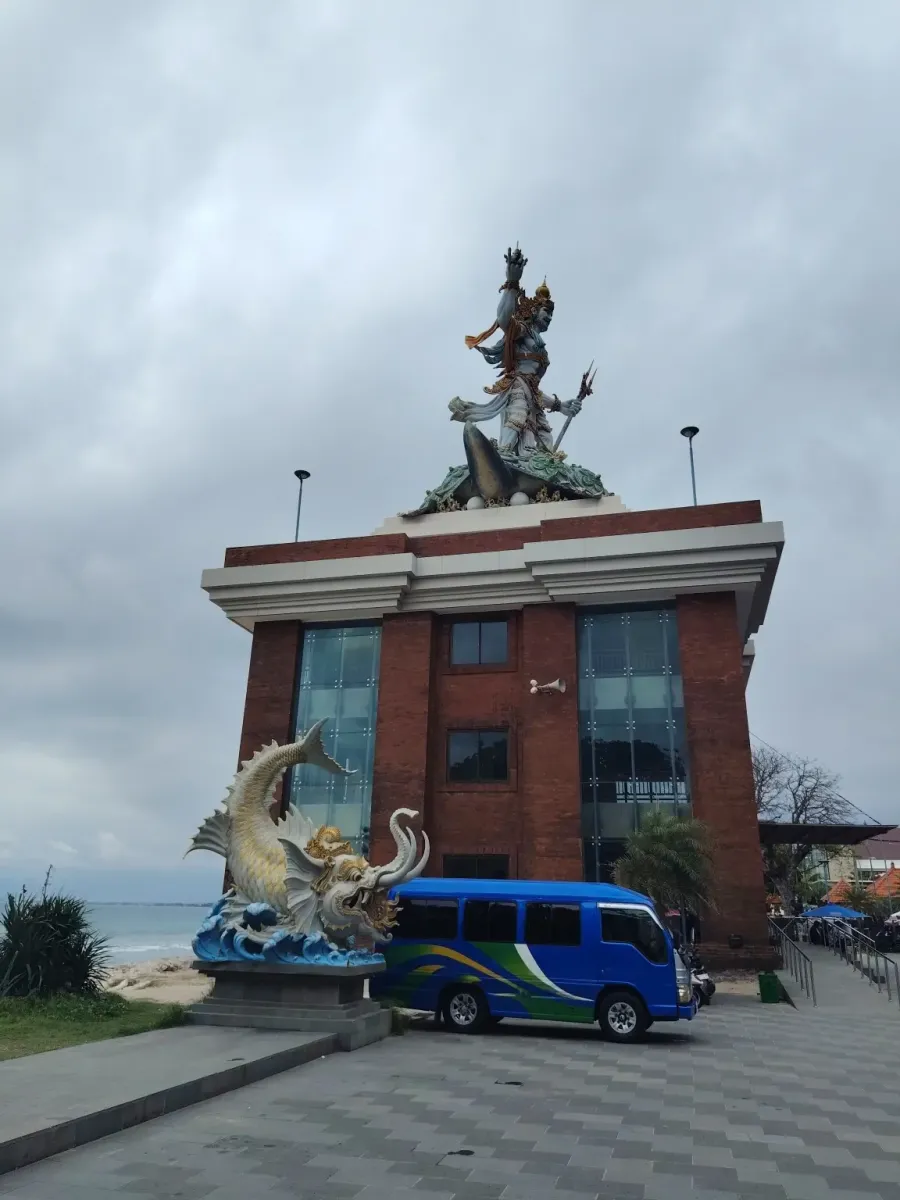
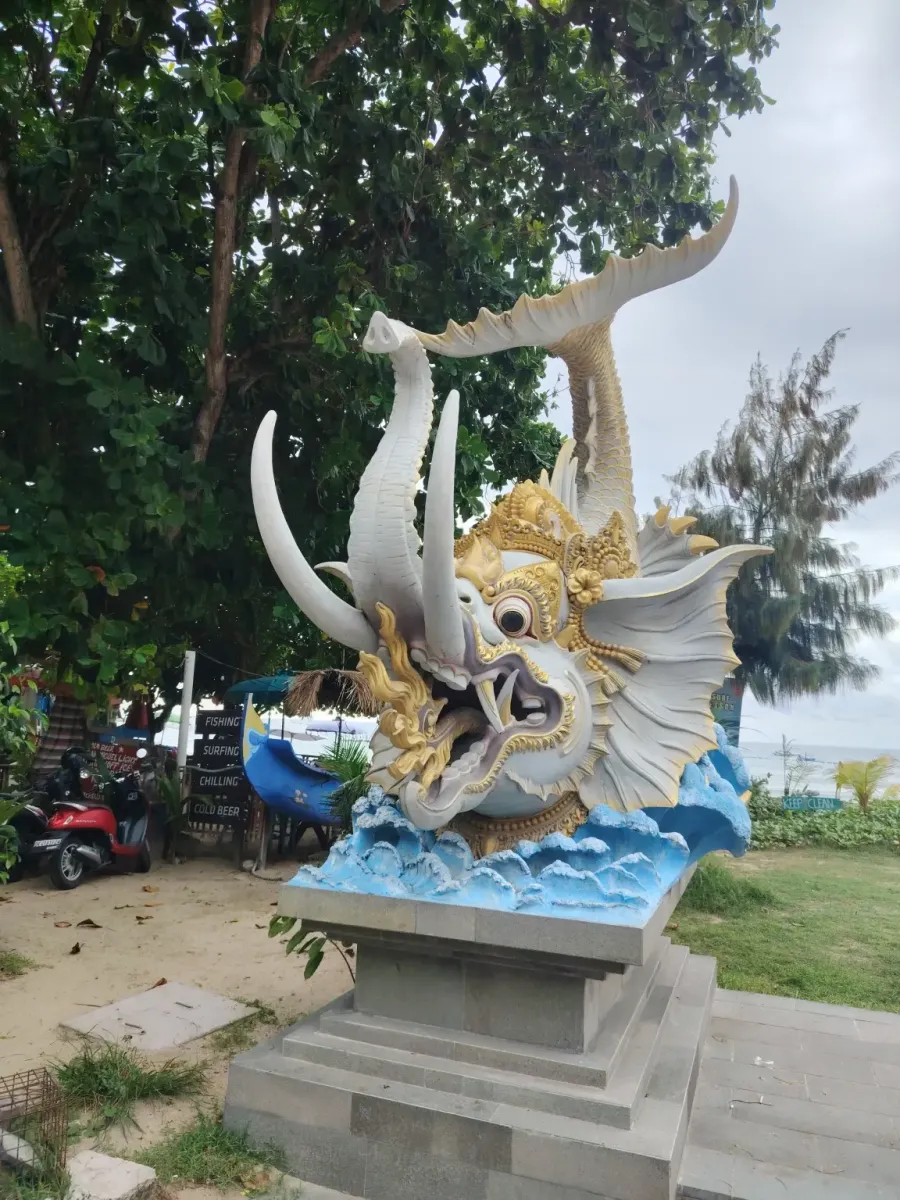
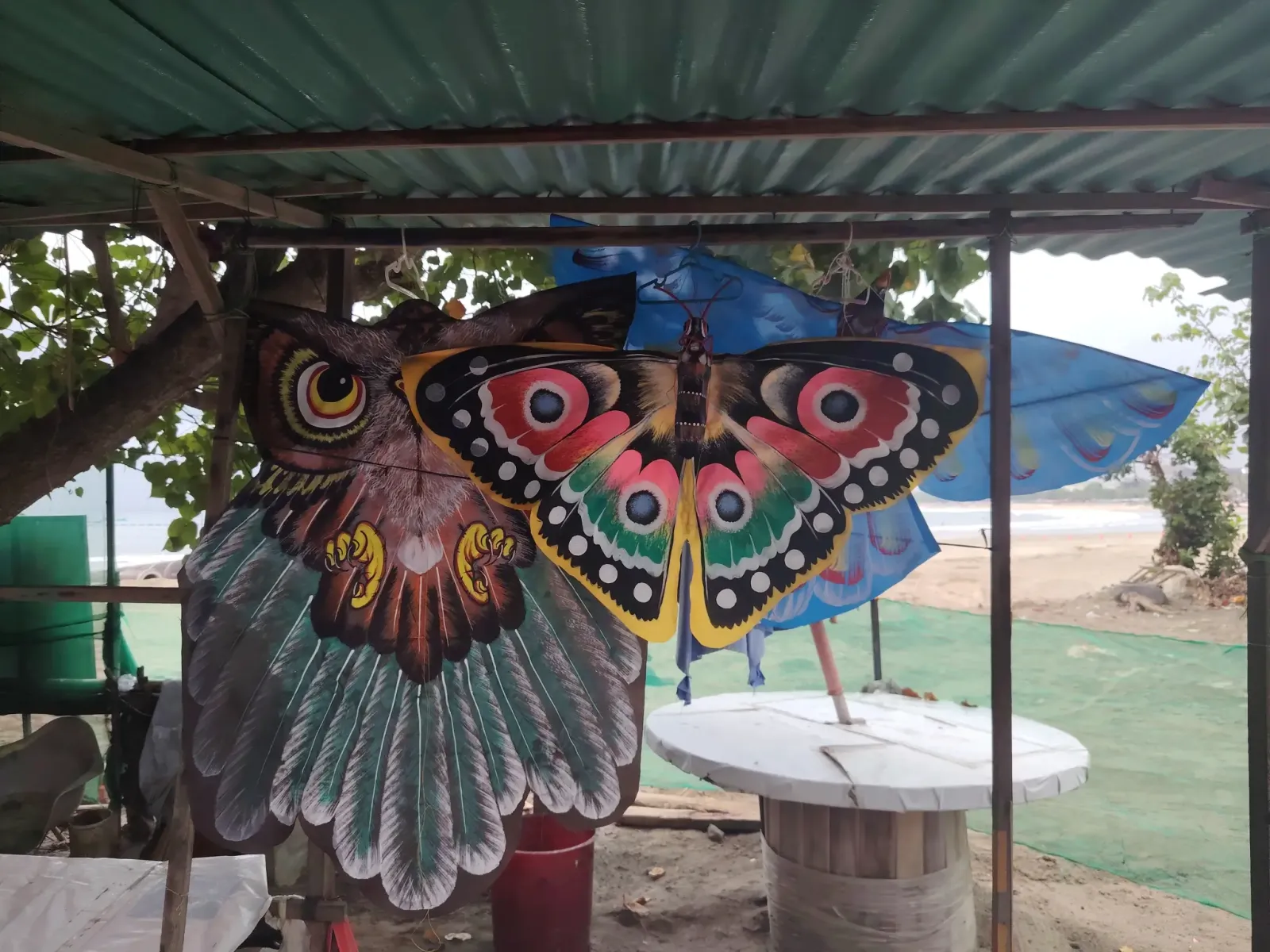
After the meditation, I sat down at the foot of a lamppost on the beach. I watched a family setting up their little stall, from which they sold powdered drinks, if I could see correctly.
Well, there I put my glasses down on the concrete of the lamppost. Somehow I felt that I didn’t have to rush, I just had to walk back. It’s true, I was only 900 meters from home, and I had walked 7 km that day, but there was no question for me that I would turn around and walk back. That’s how my walk ended up being 12 km.
There was a face on my way that I saw three times. I know that he noticed me every time. I smiled, thinking that maybe the third time she was thinking, “Well, here’s another crazy European wandering around…”
The little family was still there. I thanked them, and I didn’t have to say a word. Mom nodded with a smile and took out my glasses.
I know she saw how grateful I was to her. If I had had money, I would have bought two liters of lemonade, even if I couldn’t drink it. Maybe I’ll go there again in the next few days, and if she’s there, I’ll drink a lot at her place.
Summary
Different culture, different smiles. This is not Thailand. This is Indonesia. I have to adapt to it, and I feel like I have overcome most of it with the discoveries I have made while writing.
The pace is different, I simply switch the pedals and I am home.
My first impressions seemed unpleasant, but in the end I am friends with what welcomes me here. I feel gratitude again: another culture that shows itself to me a little.
So by the end of writing, I made my own canang sari and put it on the terrace next to my room.

POSTSCRIPT: The featured image of this post is a capybara. This has no other meaning than that I was talking to my daughters yesterday about how much I love that they are so obsessed with this cuteness. This obsession really has no other meaning than cuteness. In memory of my obsession with their obsession, a capybara should be at the beginning of this post.
Buy me a coffee?

If you enjoyed this story, you can buy me a coffee. You don’t have to – but it means a lot and I always turn it into a new adventure.
Buy a coffee for Steve
 Linktree
 Short introduction