
I laughed when the idea for this post first occurred to me.
It’s important to note that, despite the title, this won’t be a post full of complaints.
I should clarify right away that I actually liked this place.
It’s just that a thought I’ve often expressed came to mind: this isn’t for everyone.
A Friendly Recommendation
I spent five nights in Bangkok—three of them at the accommodation I’m about to write about.
A very good friend of mine recommended this place to me, but with one condition: I had to keep the information to myself and not share it on social media. I’m breaking that condition just a little bit now—I’m writing about it on my blog, but I won’t reveal the name of the hotel. Those who are familiar with the location might be able to identify it from the photos. I should also mention that I’ve stripped the EXIF data from the images, so there’s no point in trying to look for the coordinates.
I’m certain that when my Belarusian friend recommended this spot, he knew exactly what I was looking for. We’ve talked a lot; he knows who I am. He knew this place would suit me perfectly—and he was right.
When he first suggested it, he made a point of mentioning that it was “fan-only” and a “traditional wooden house.” The day before I was set to check in, I stopped by to see the owner. He, too, started by saying, “fan-only.” He wanted to show me the room, but I declined—I told him that if it was good enough for my “brother,” it would be good enough for me. “See you in the morning!”
The funny thing is, I ended up in the exact same room my friend had stayed in previously. LOL.
My Room
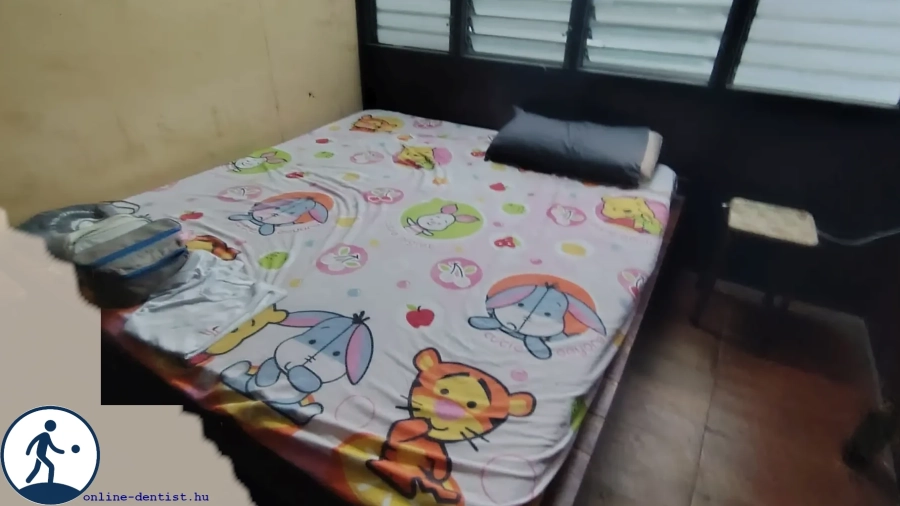
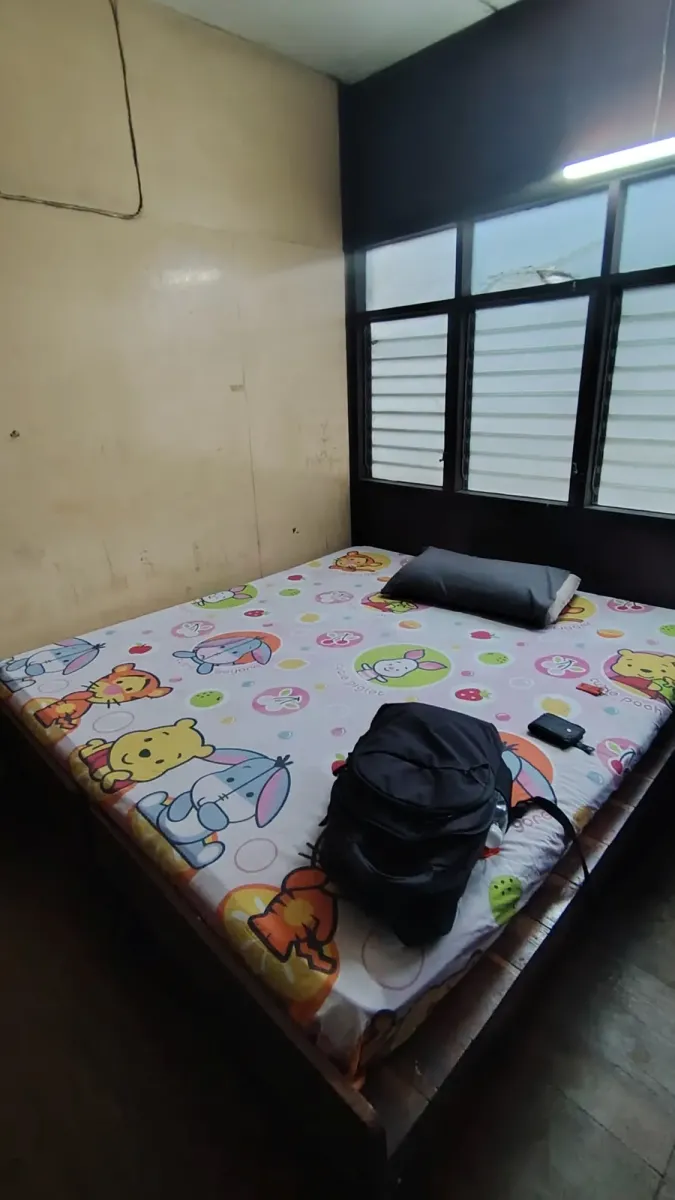
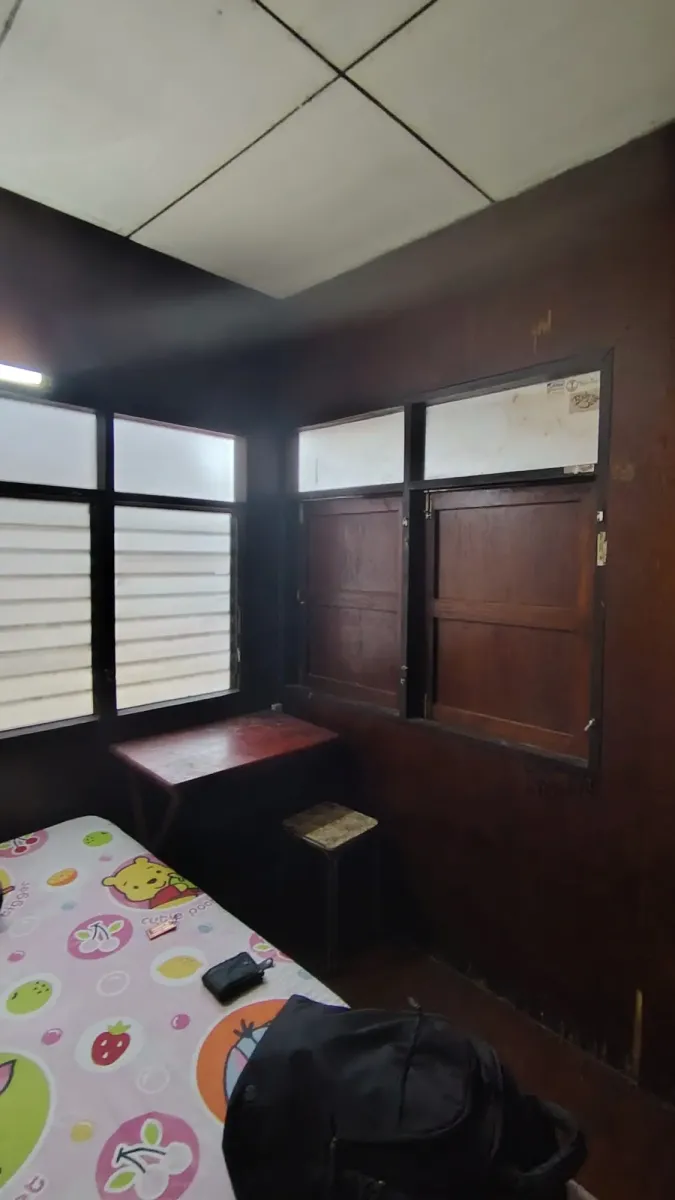
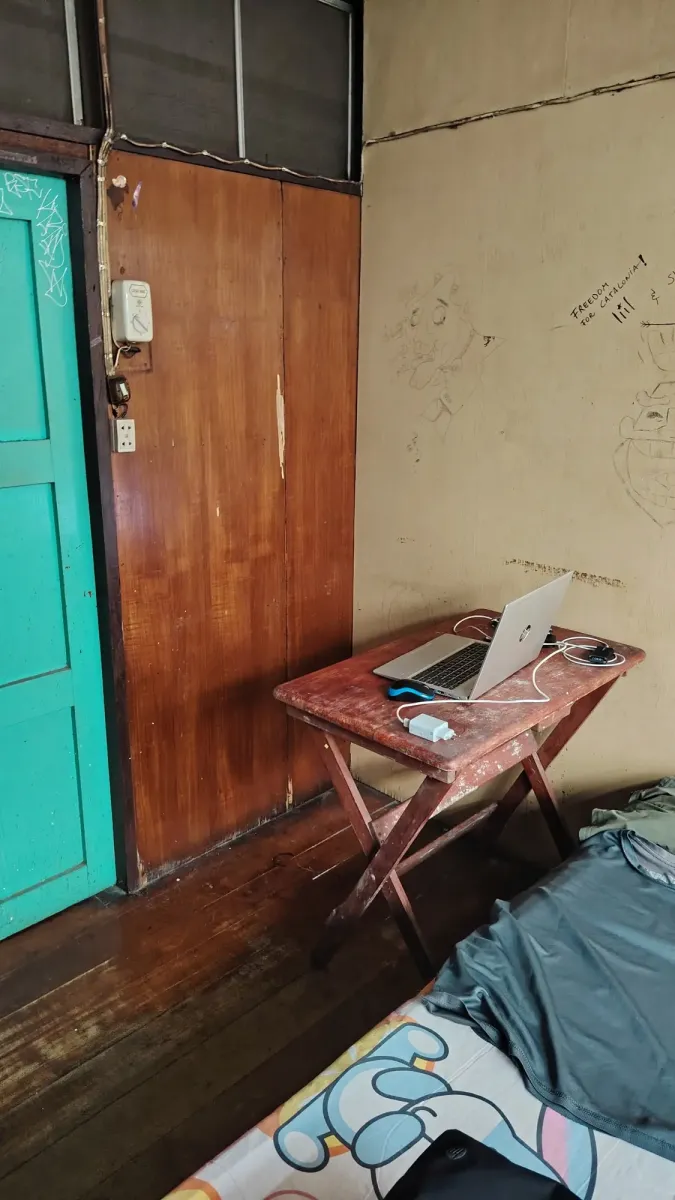
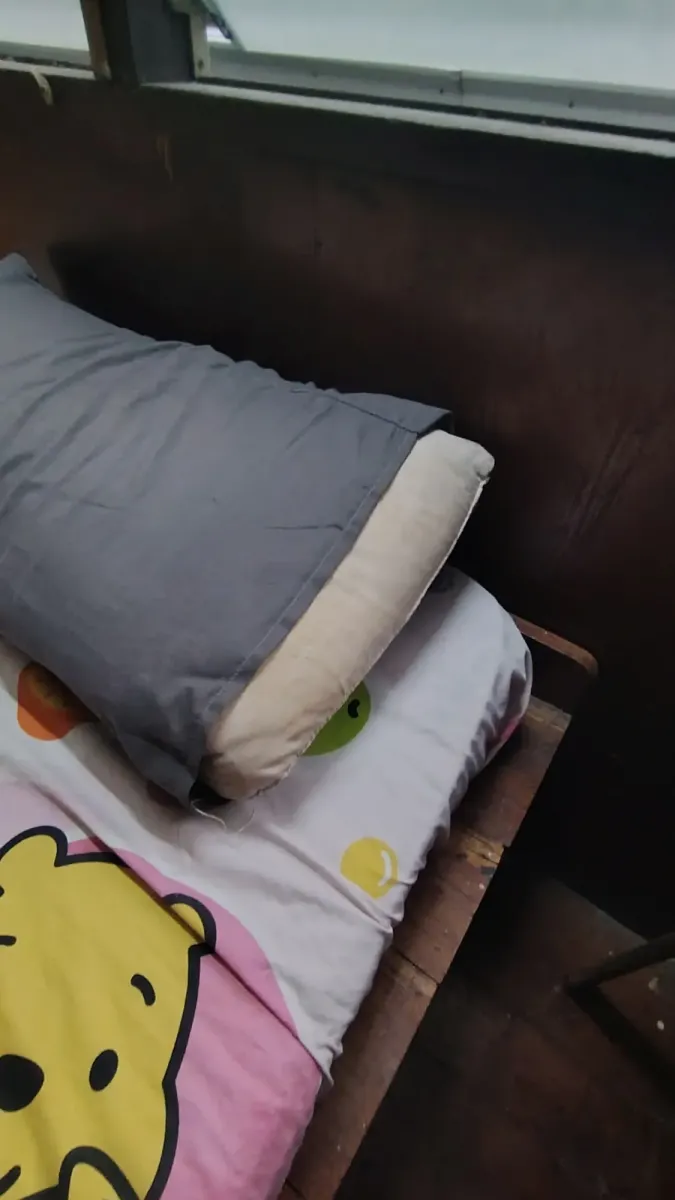
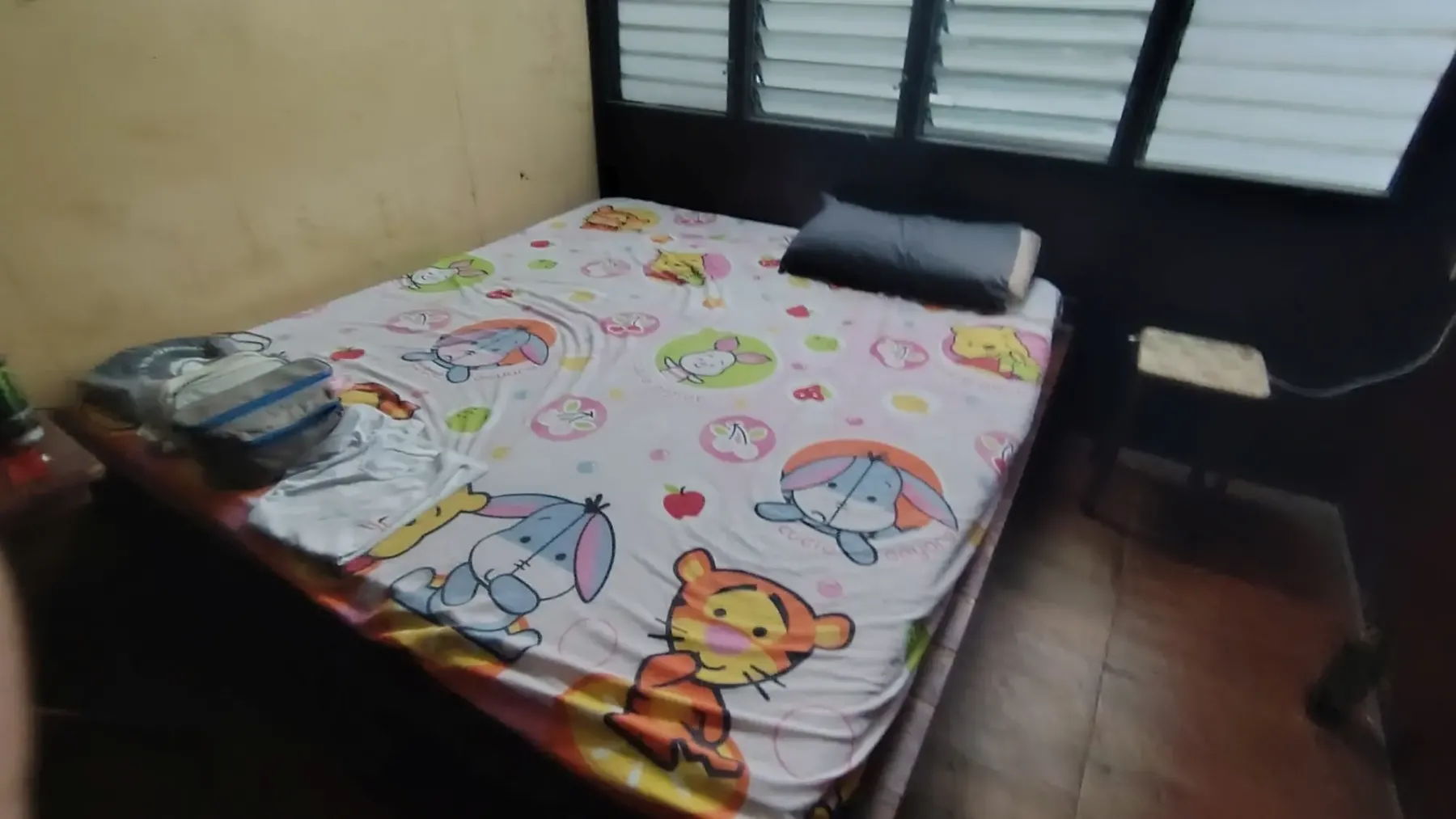
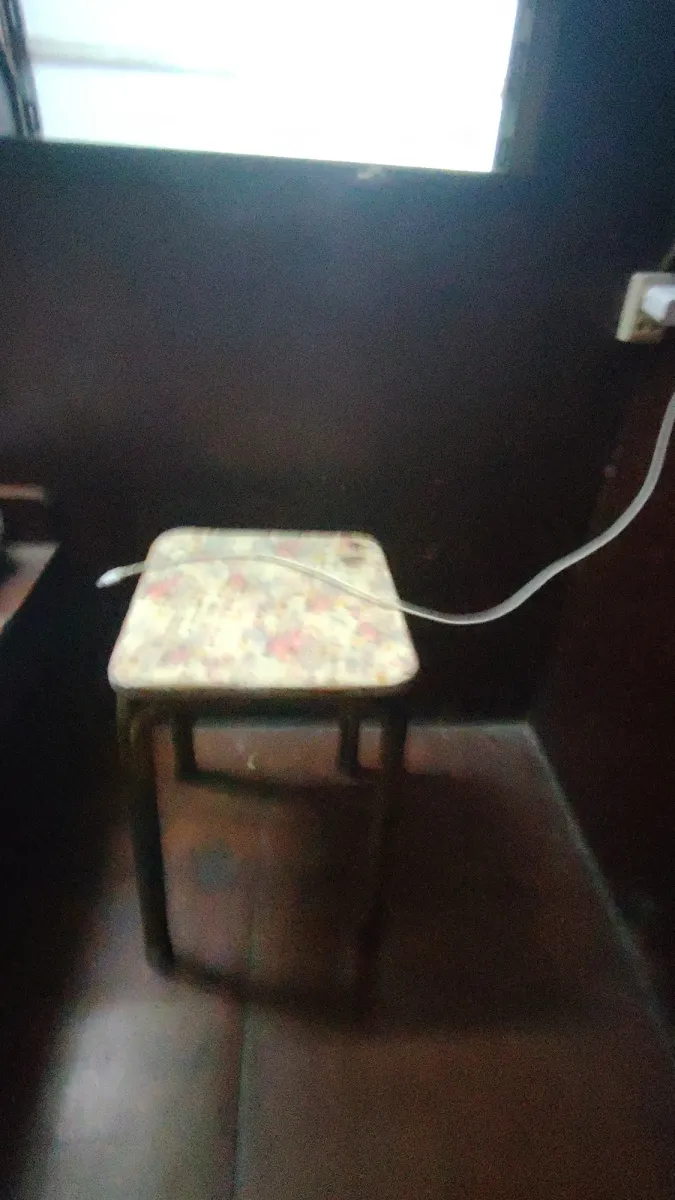
A bed. On it, a Winnie the Pooh bedsheet. A pillow. No blanket. A small, makeshift table, a small chair. A ceiling fan. That’s it.
On the plus side, it was a private room. I didn’t have to share it with anyone. I had my own key. And the price was 3 USD (1,000 HUF) per night.
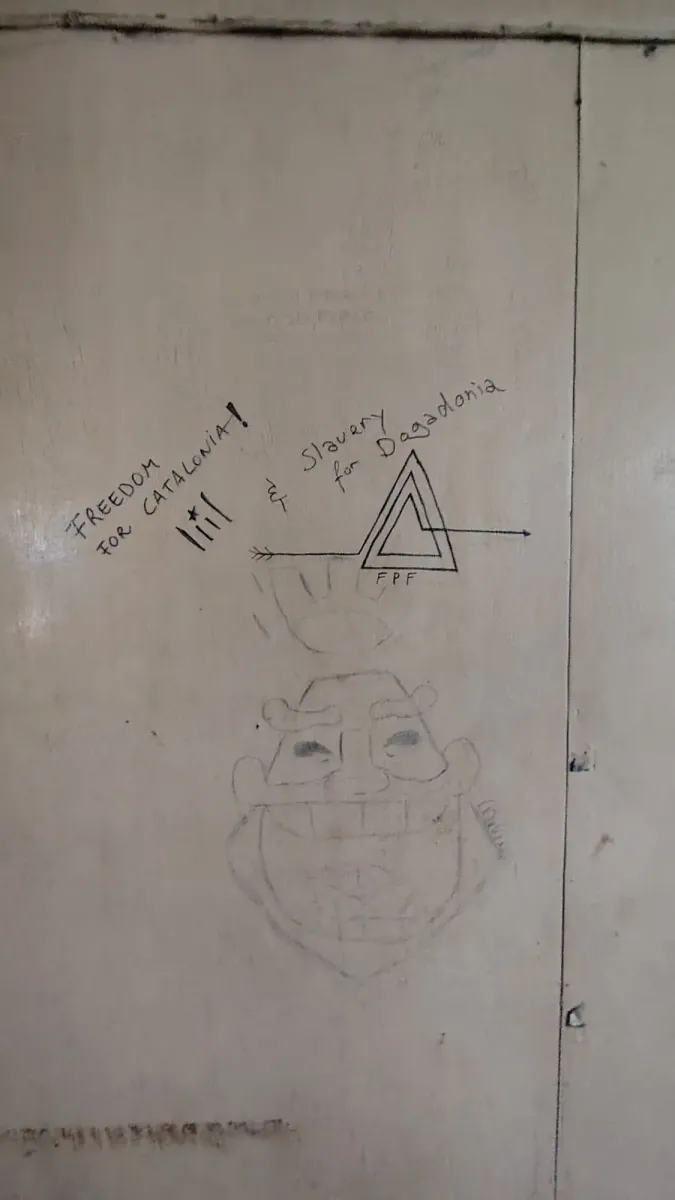
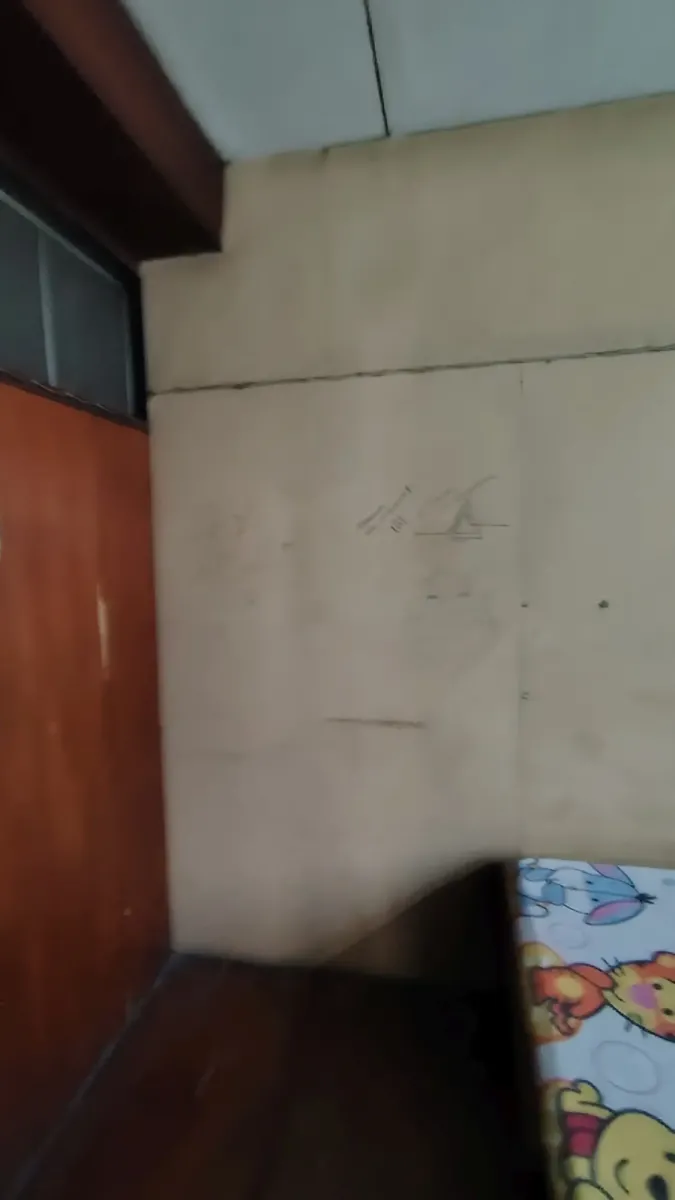
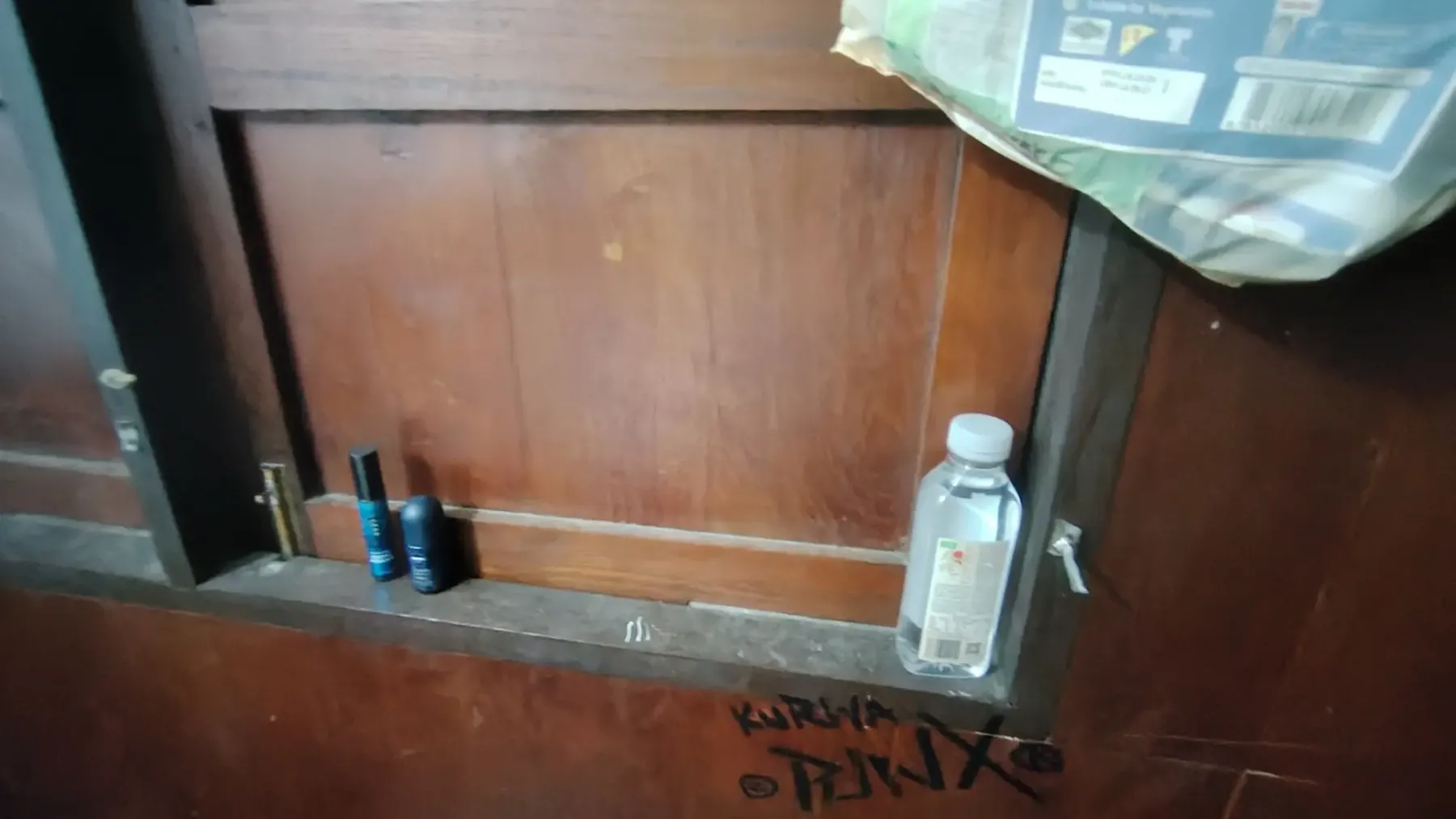
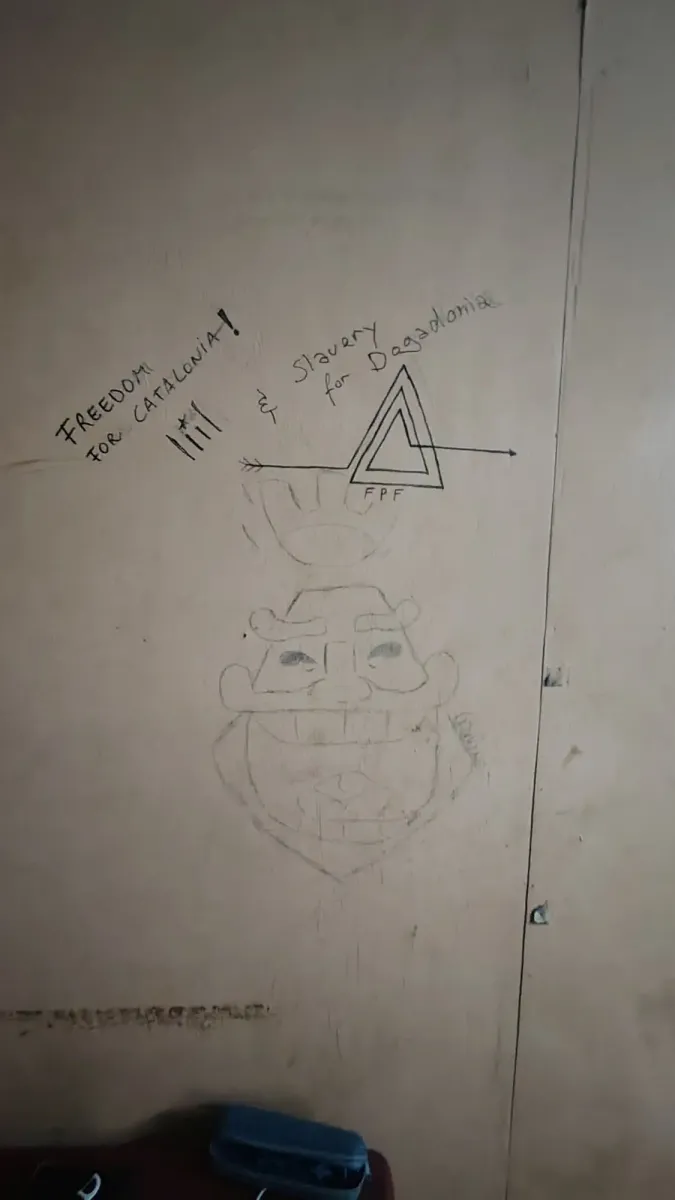
The walls displayed “artistic masterpieces” disguised as scribbles. Why bother with paintings when you can create timeless works of art with a felt-tip pen? “Freedom for Catalonia!” And “& Slavery for Dagadonia!” That alone was a story that made staying in this room worthwhile.
Unfortunately, I forgot to take a picture of another one. Three inscriptions, one below the other: “2009 Pablo,” “2014 Pablo & Miranda,” and finally, “2021 Pablo & Miranda.” I’m very curious what the 2026 inscription might be! Pablo? Pablo & Miranda? Miranda? I think I pondered this even more than I ever did the smile of the Mona Lisa…
The fan was a crucial element of the room. If I turned it off, the temperature would instantly soar to a lethal level. Yet, on the first night, I turned it off, fearing it might overheat from running for so many hours. Three minutes later, I switched it back on, because that aforementioned lethal level had triggered my internal alarm system. But in that moment, I noticed something I hadn’t paid attention to before: the fan was spinning at an incredible speed. I hadn’t noticed this during the day. And it was spinning its frantic circles right above my body. For some reason, I fell asleep with the thought that if this thing were to accidentally break off, it would completely disfigure my face. I drifted off to sleep with trust in my heart—trusting that I wouldn’t have to spend the rest of my life dressed like a mummy.
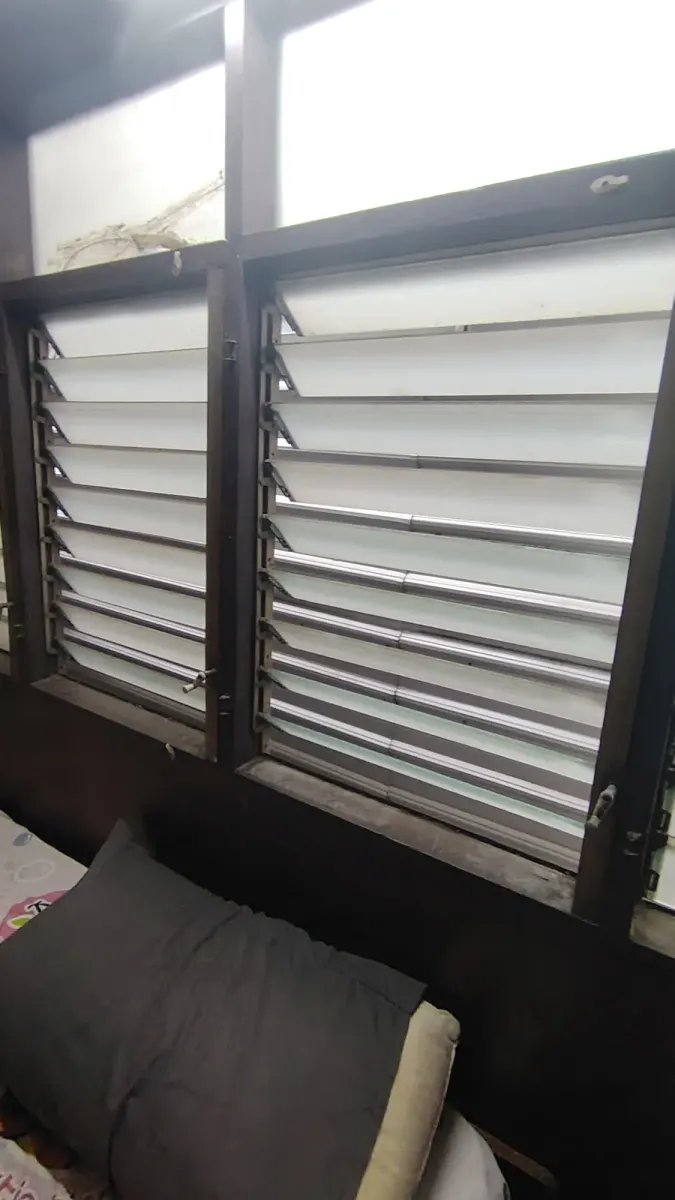
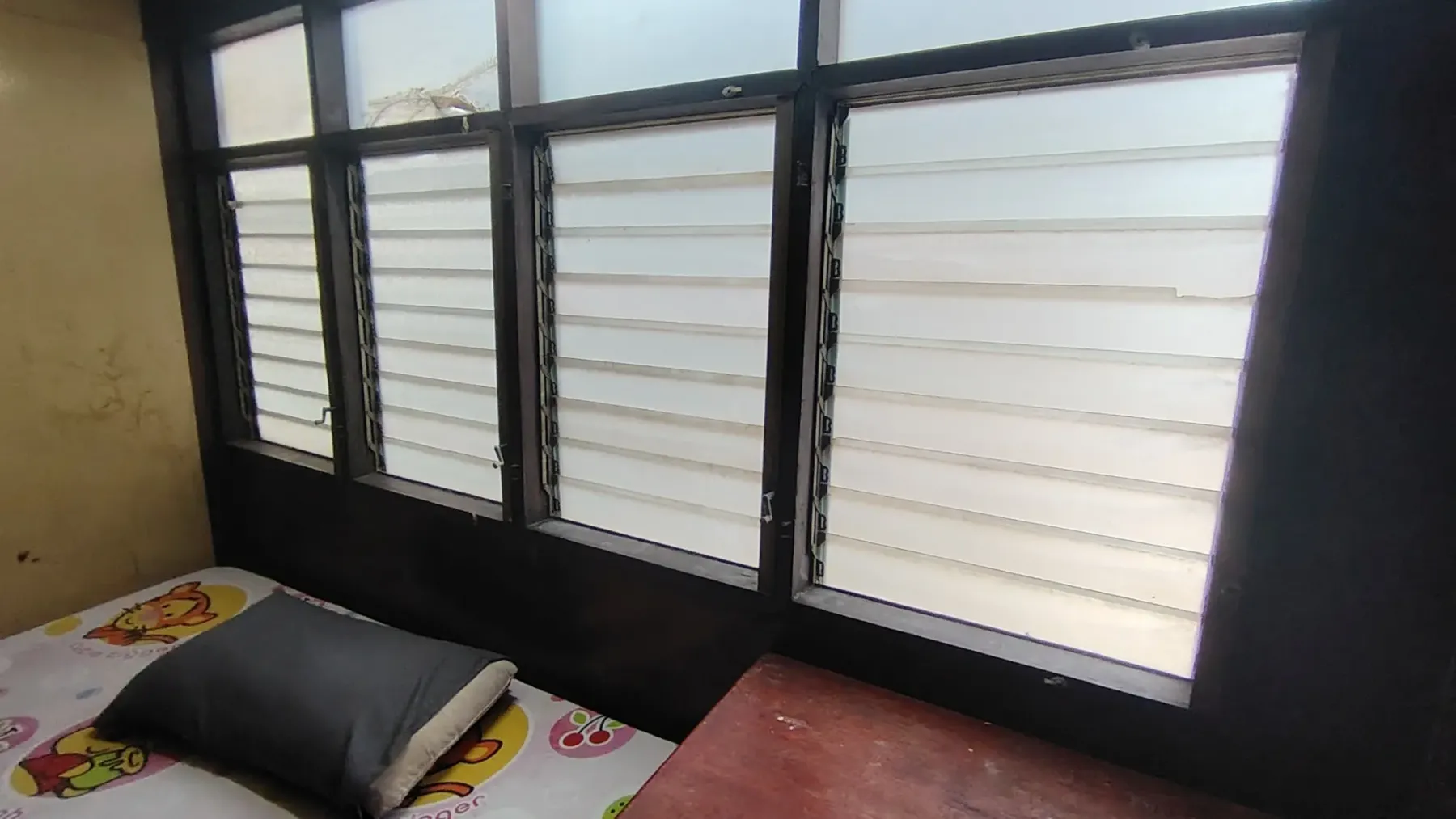
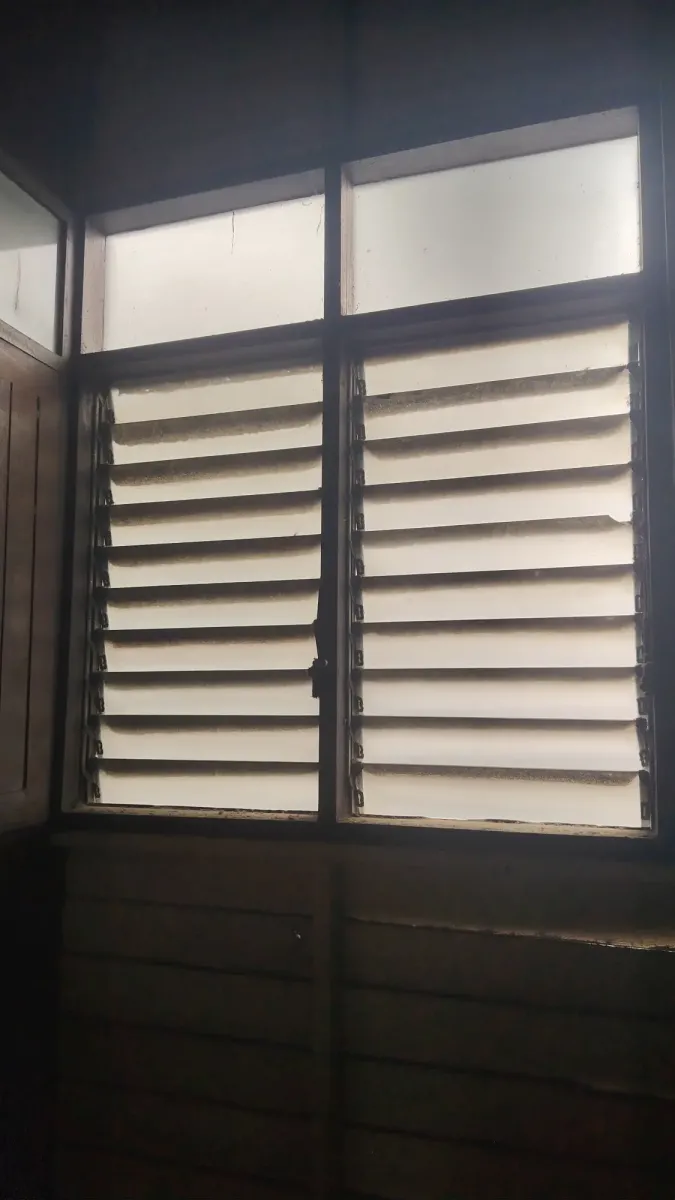
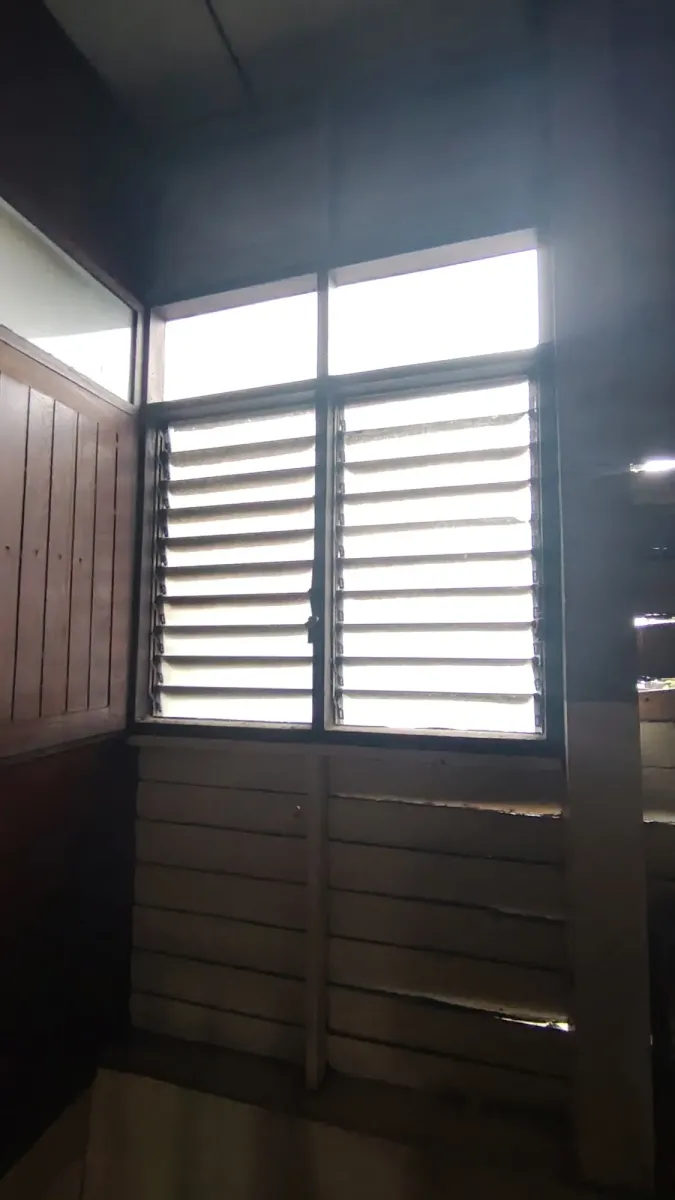
The windows consisted of small, slatted shutters. There was no pane of glass or conventional, openable window on the wall—just four shutter-like contraptions that could be adjusted from a vertical to a horizontal position by turning a crank. Well, only 50% of them, anyway; two of the four shutters were broken. This window design has a major drawback: it’s nearly impossible to fit a mosquito net behind it. That left me with two choices: keep it closed and swelter in the heat, or leave it open—though that meant I might not be spending the night alone. I chose the latter. And, as it happens, I managed to get through all three nights without any new bites. To be honest, it’s hard to tell—I always have a few, and lately, I can’t distinguish the fresh ones from the old.
In any case, the fan and the window explained why there was no blanket provided in the room; it would have been completely useless.
The Winnie the Pooh bed linen was clean. As was the rest of the room. There was no dirt under the bed either, and despite being worn, the floor was clean enough to walk on barefoot. I didn’t want to take a look at the mattress—best to let that remain shrouded in the mists of oblivion. I suspect, however, that quite a few of us have sweated on it over the years.
The pillowcase was clean, too—though there was a slight anomaly here: two pillows had been crammed inside, leaving them partially exposed. And, well, they weren’t exactly pristine. I wouldn’t go so far as to claim they’d been in use since the sixties—I have no proof of that—but I’m certain those two pillows could tell stories even more intriguing than the graffiti on the walls. For my part, I handled the situation by simply making sure not to touch them; I placed my faith in the magical protective powers of the pillowcase.
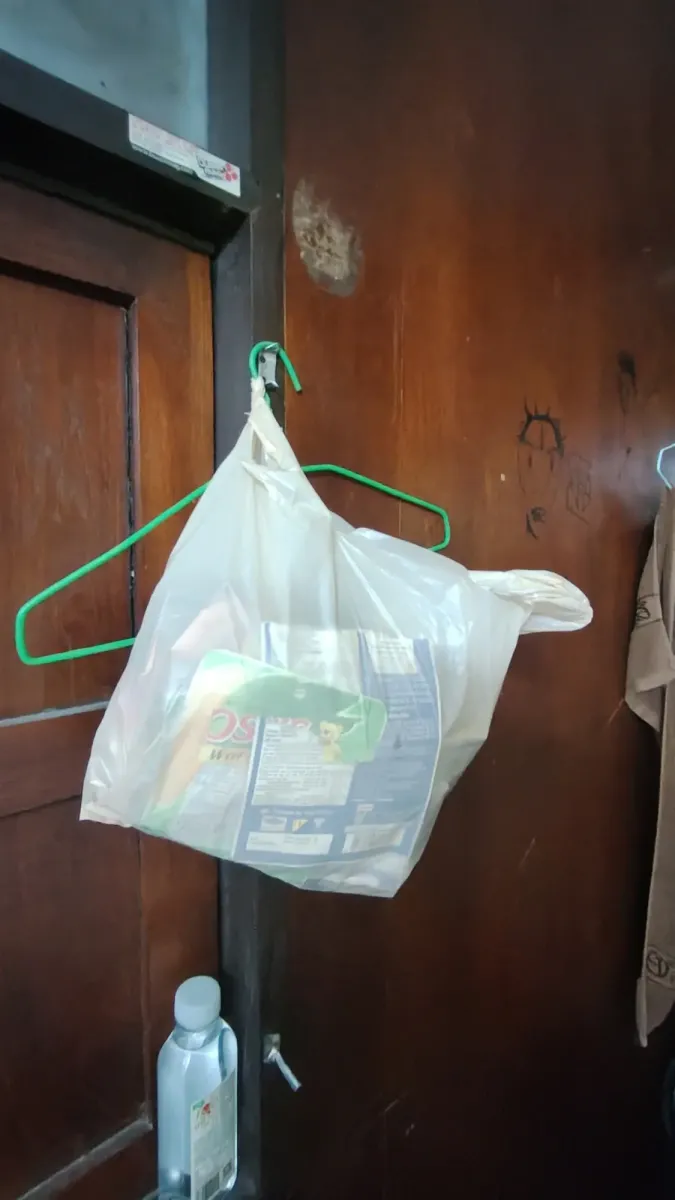
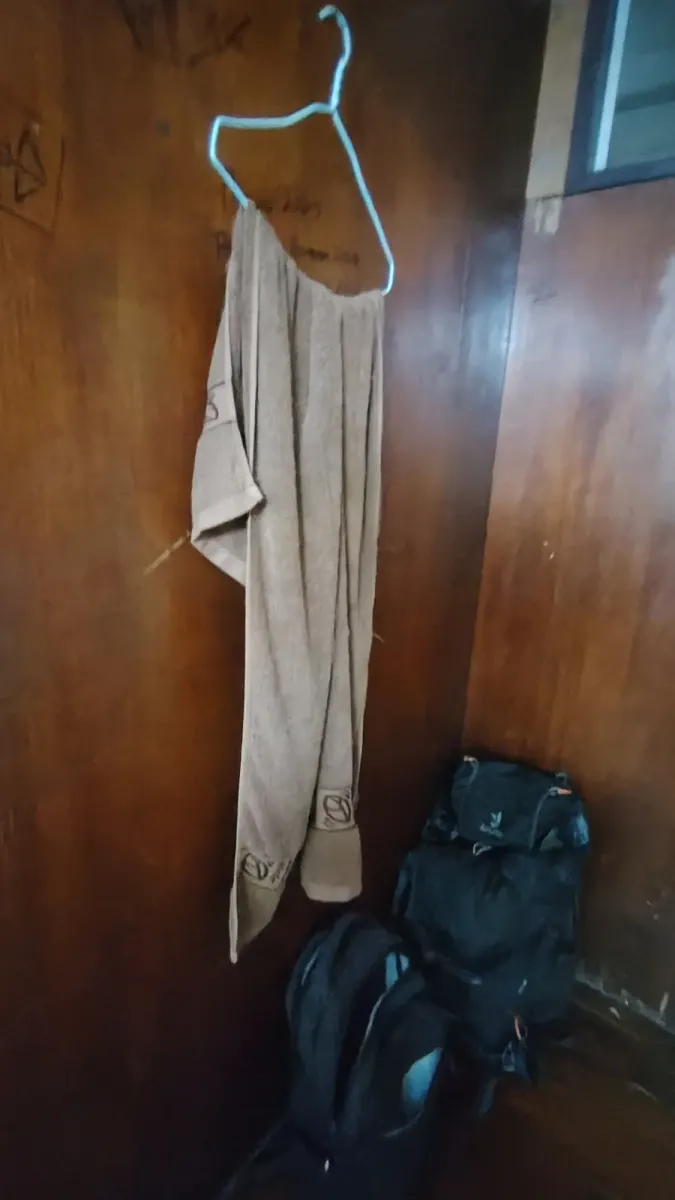
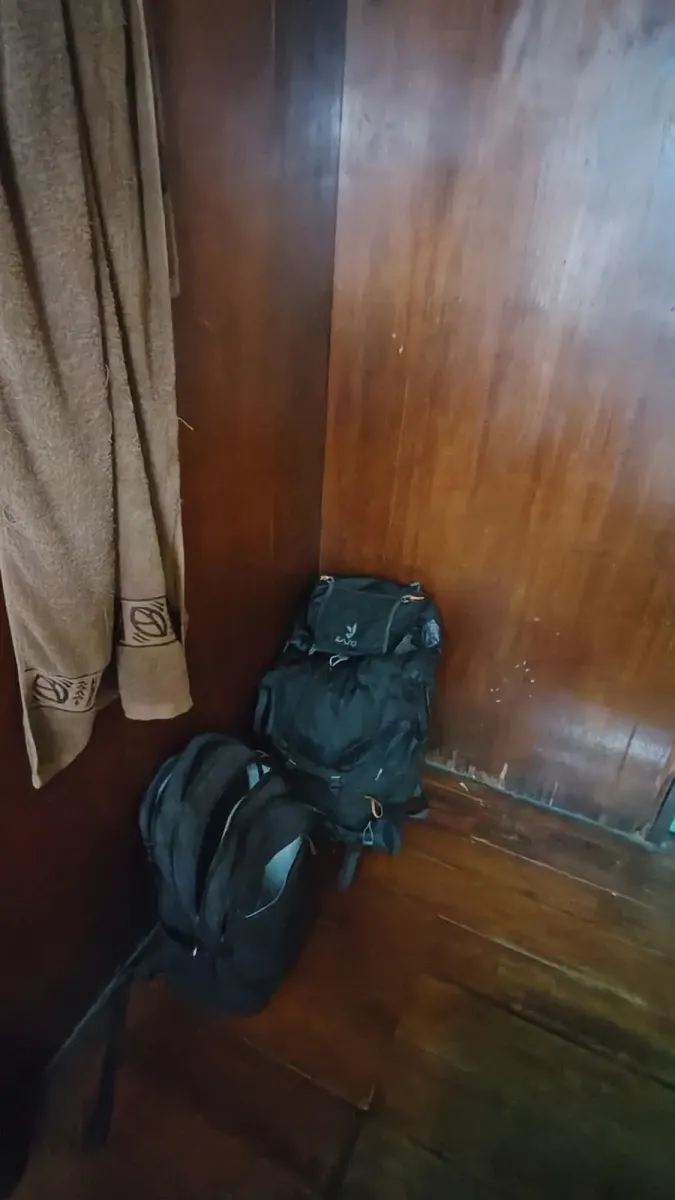
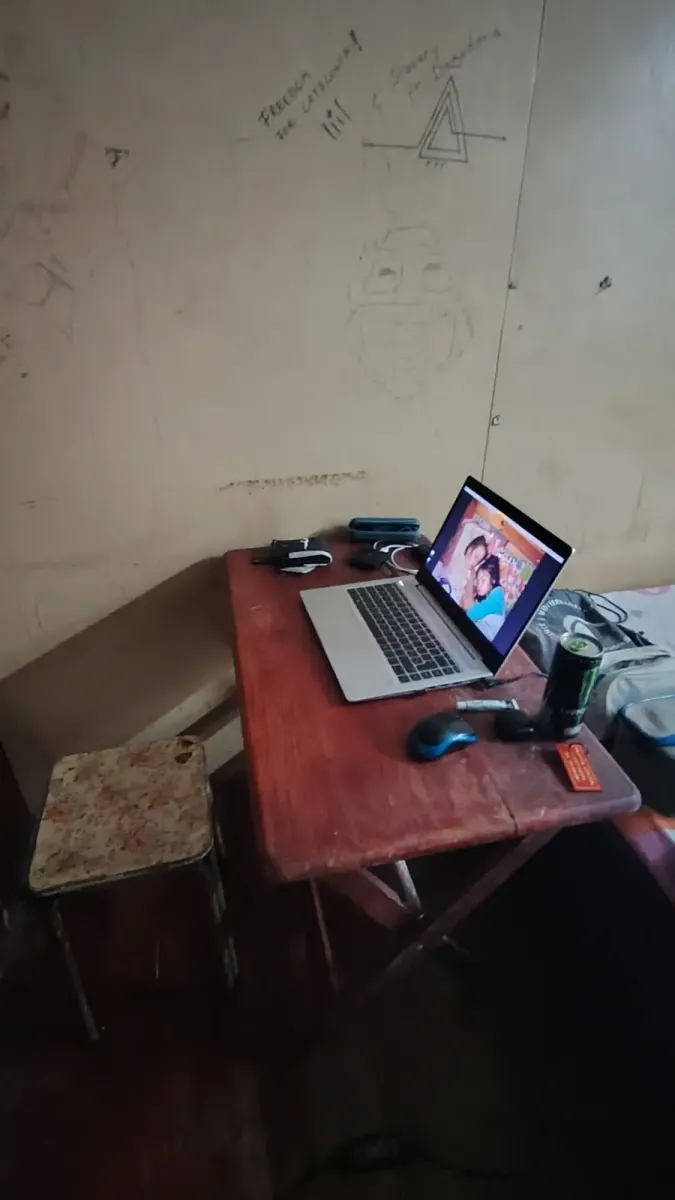
The Bathroom
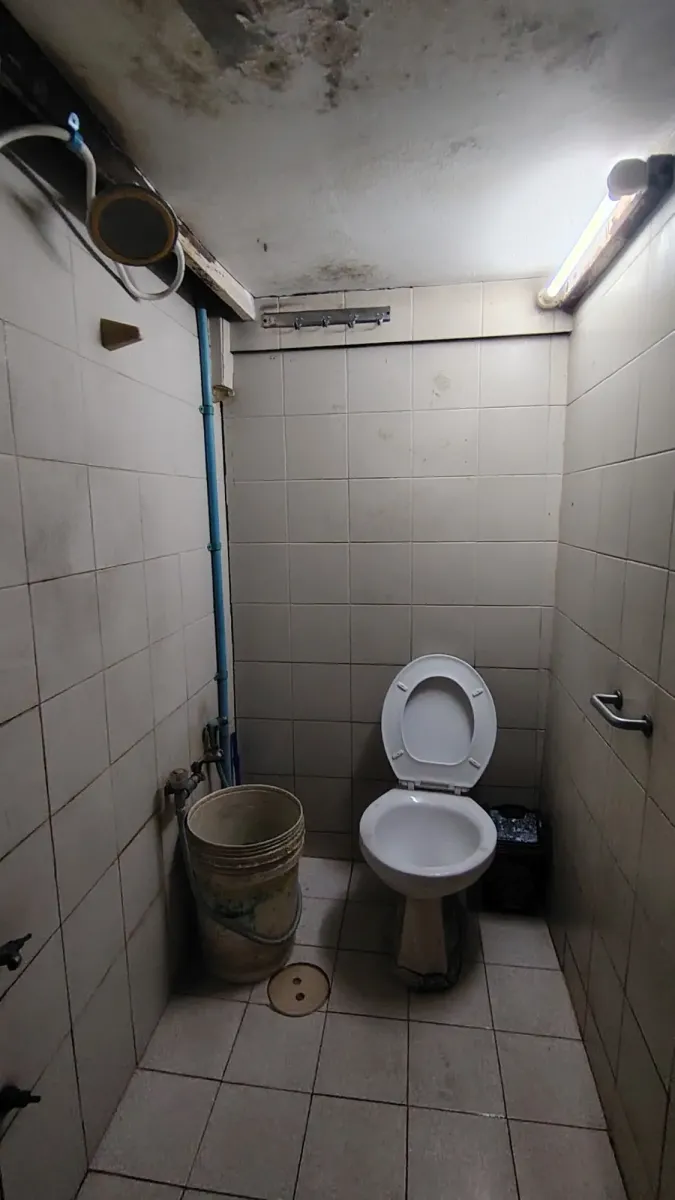
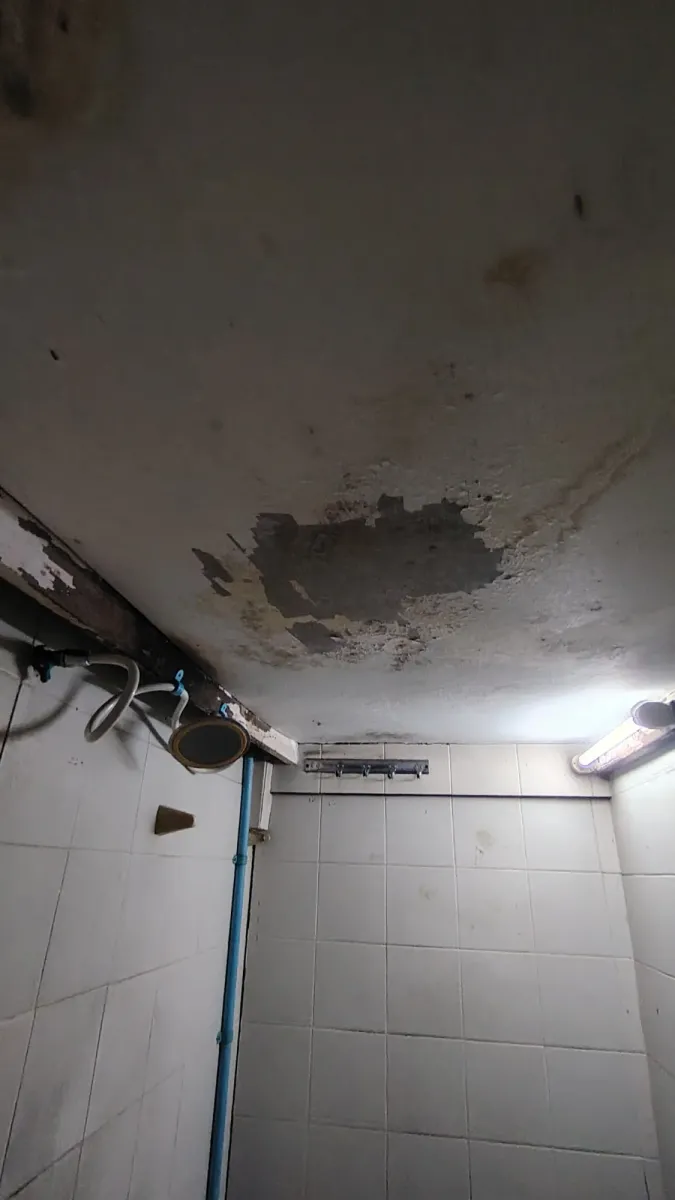
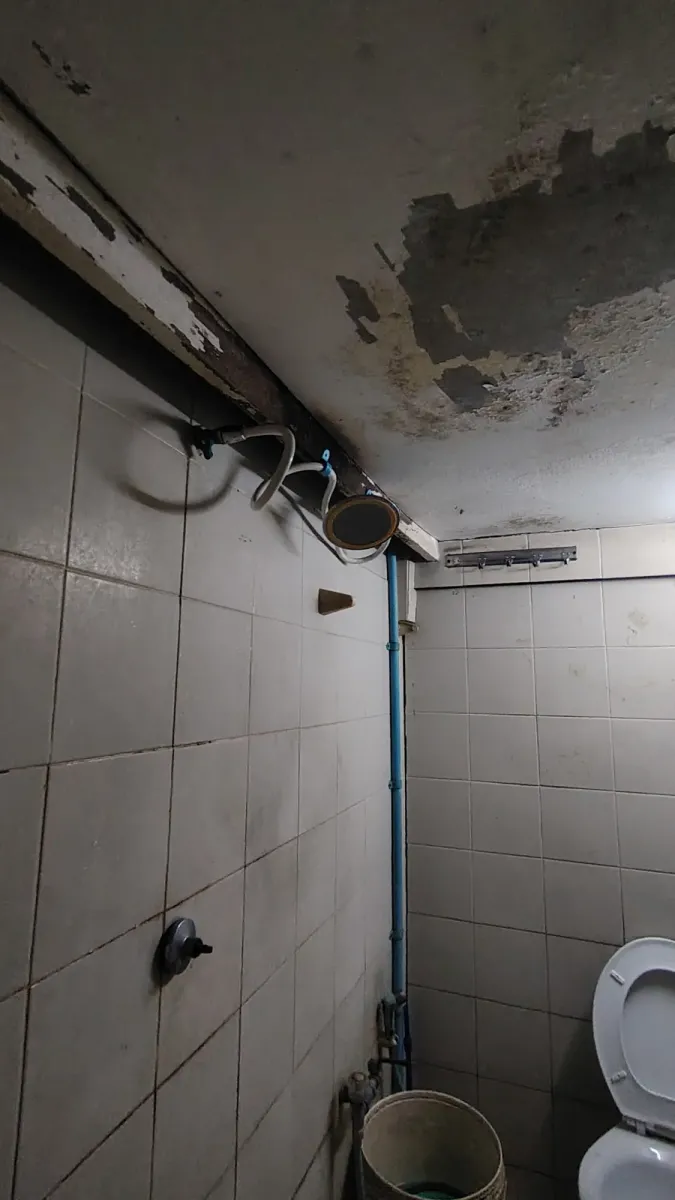
For me, the bathroom was also quite endearing.
Here is the inventory:
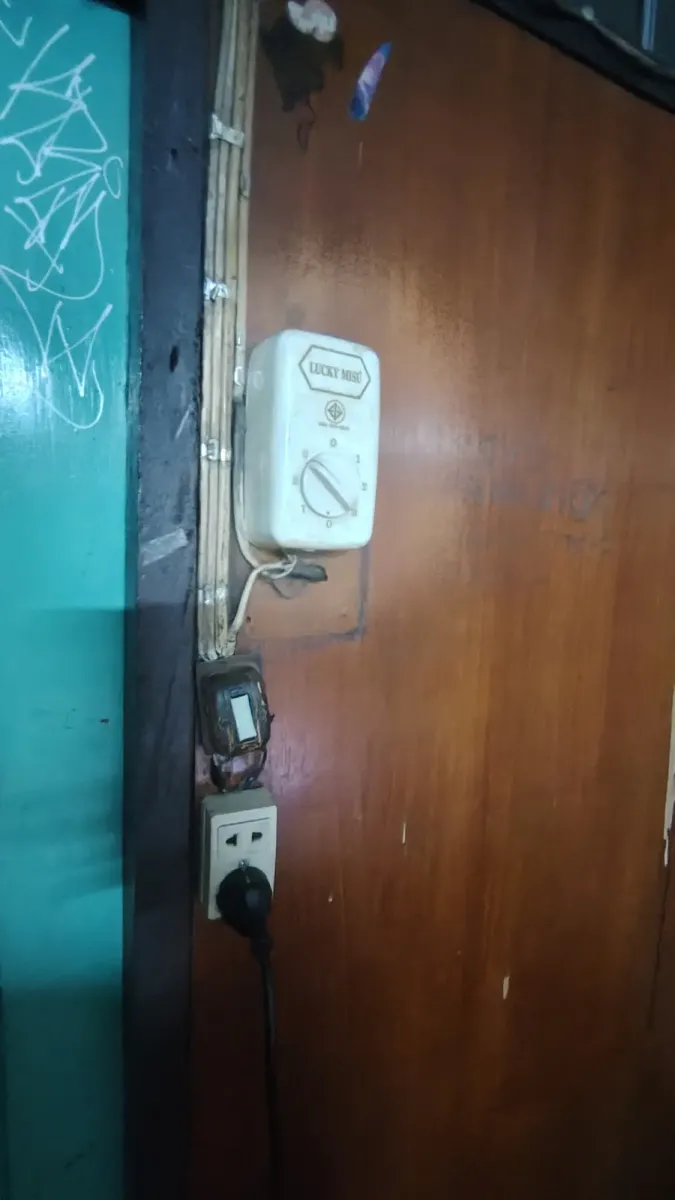
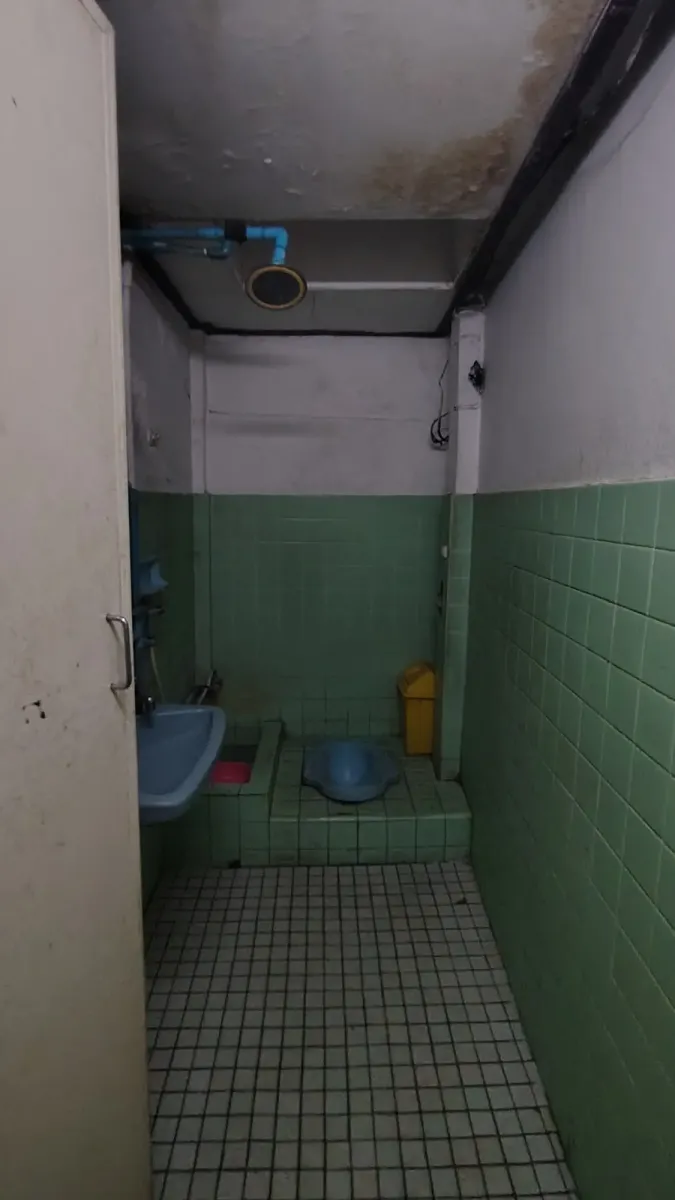
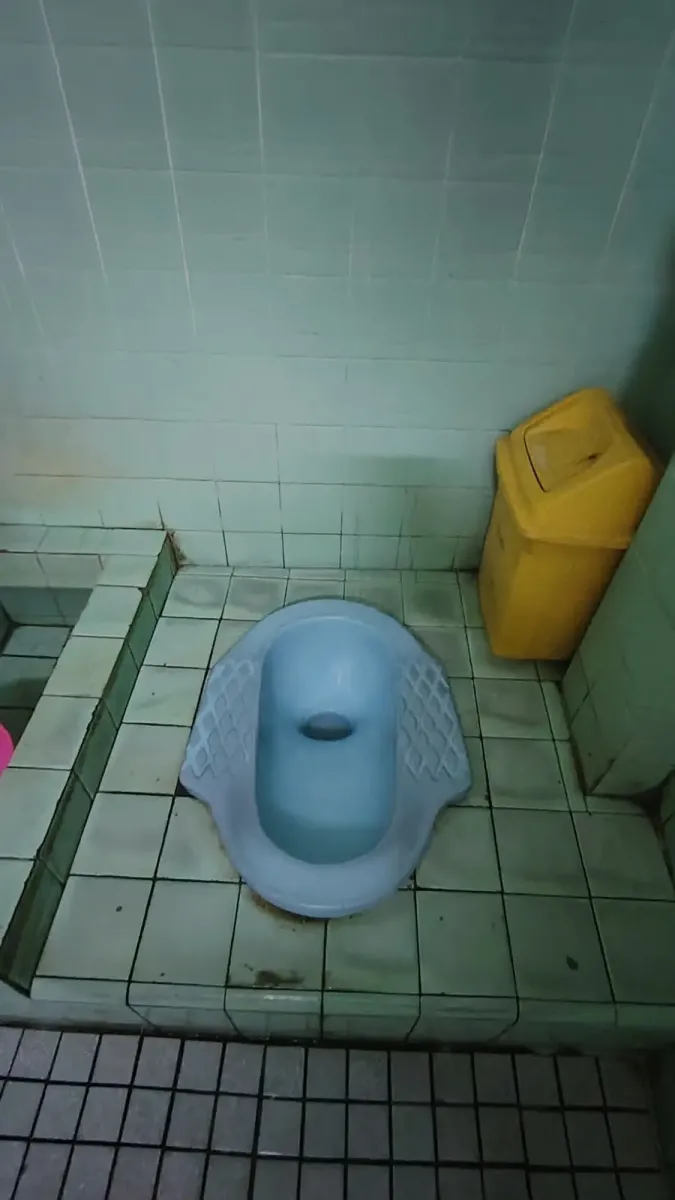
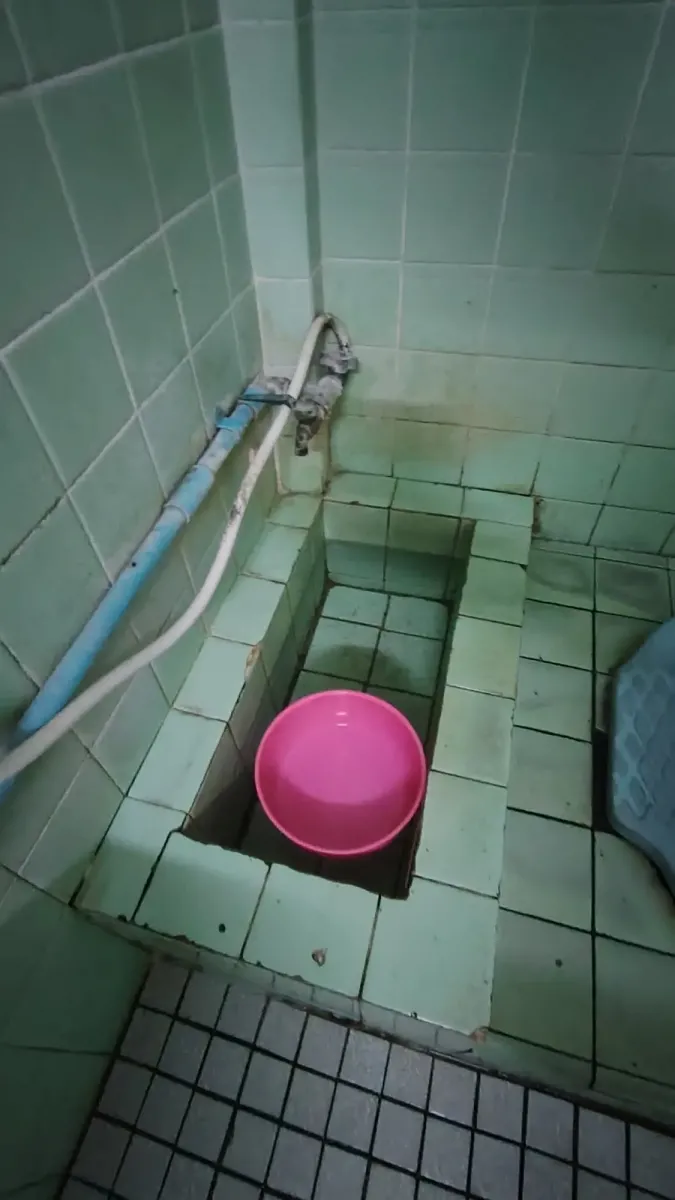
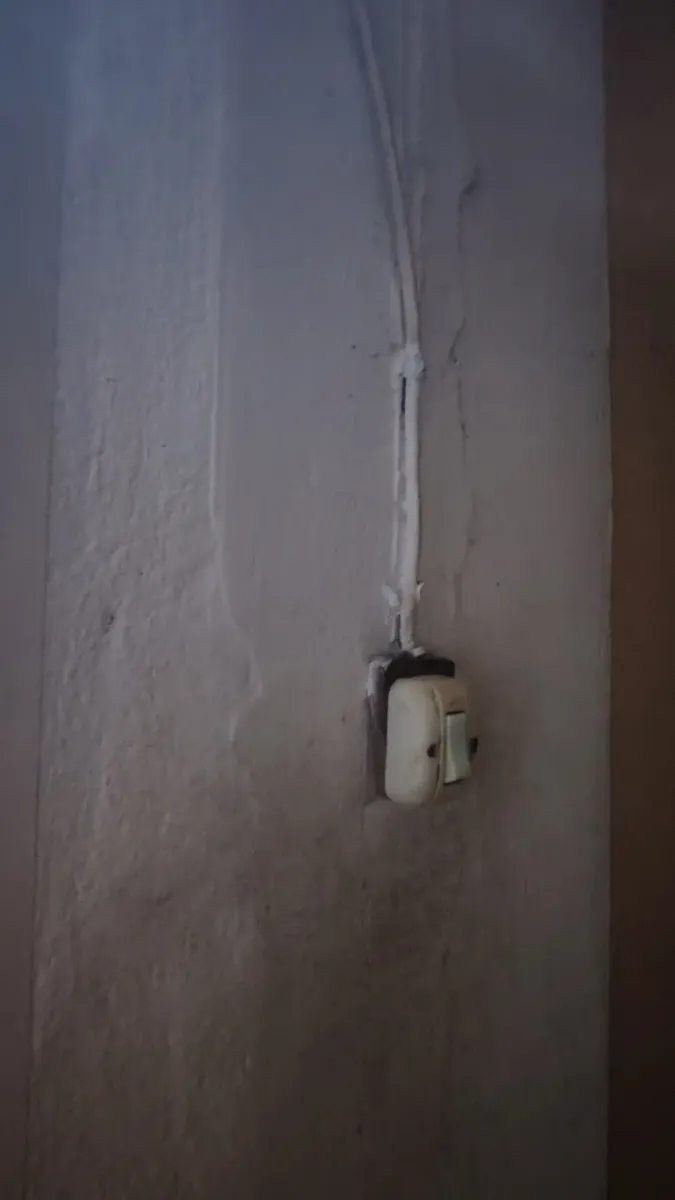
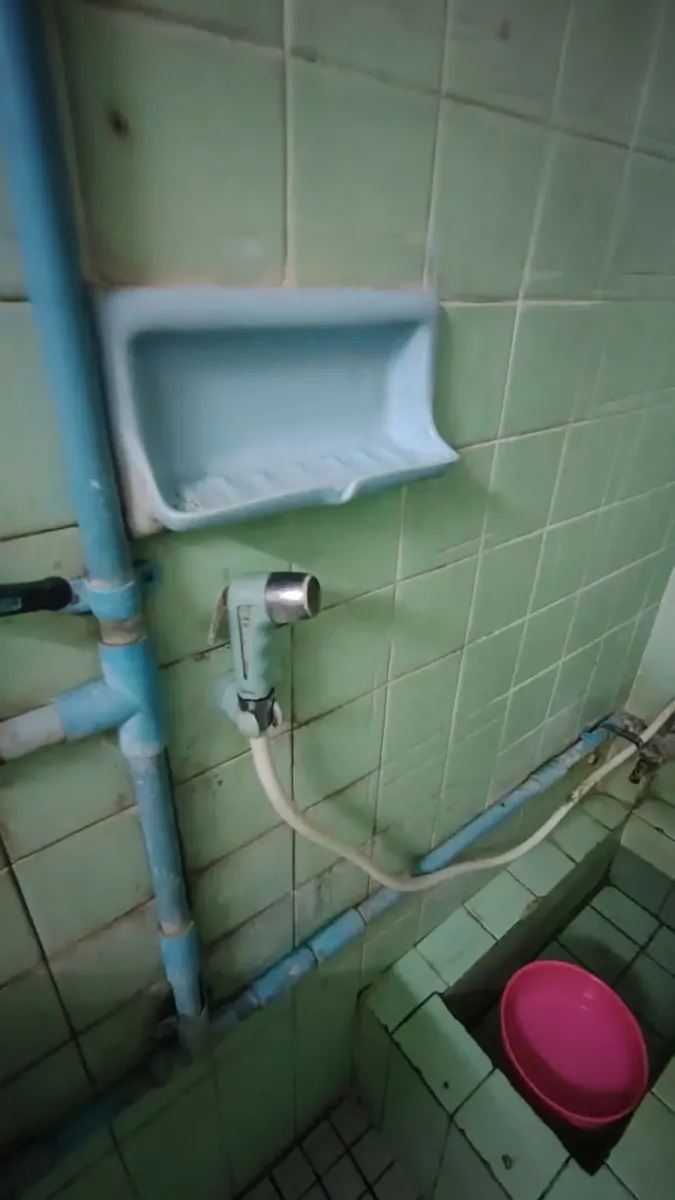
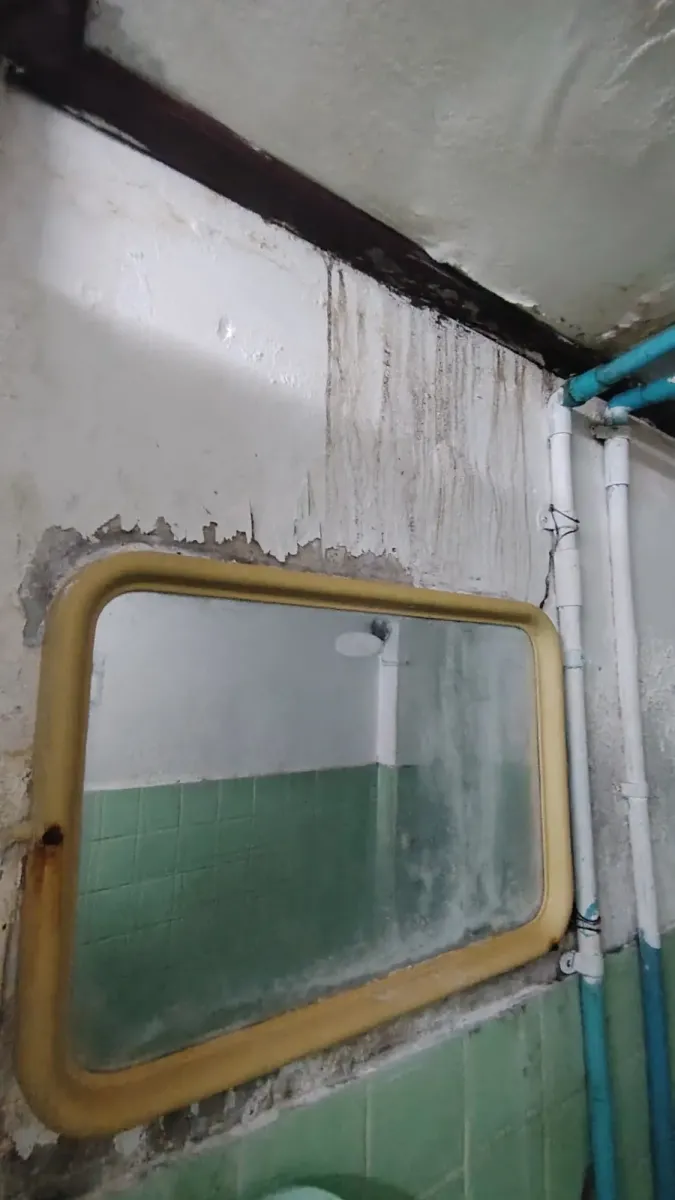
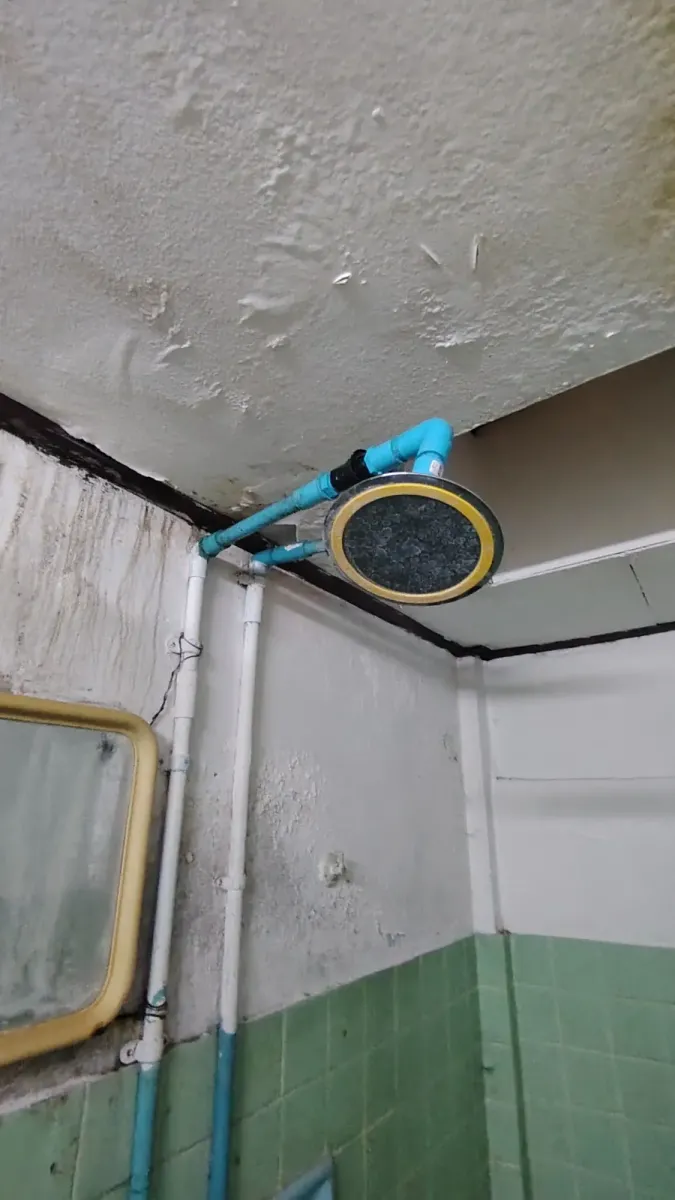
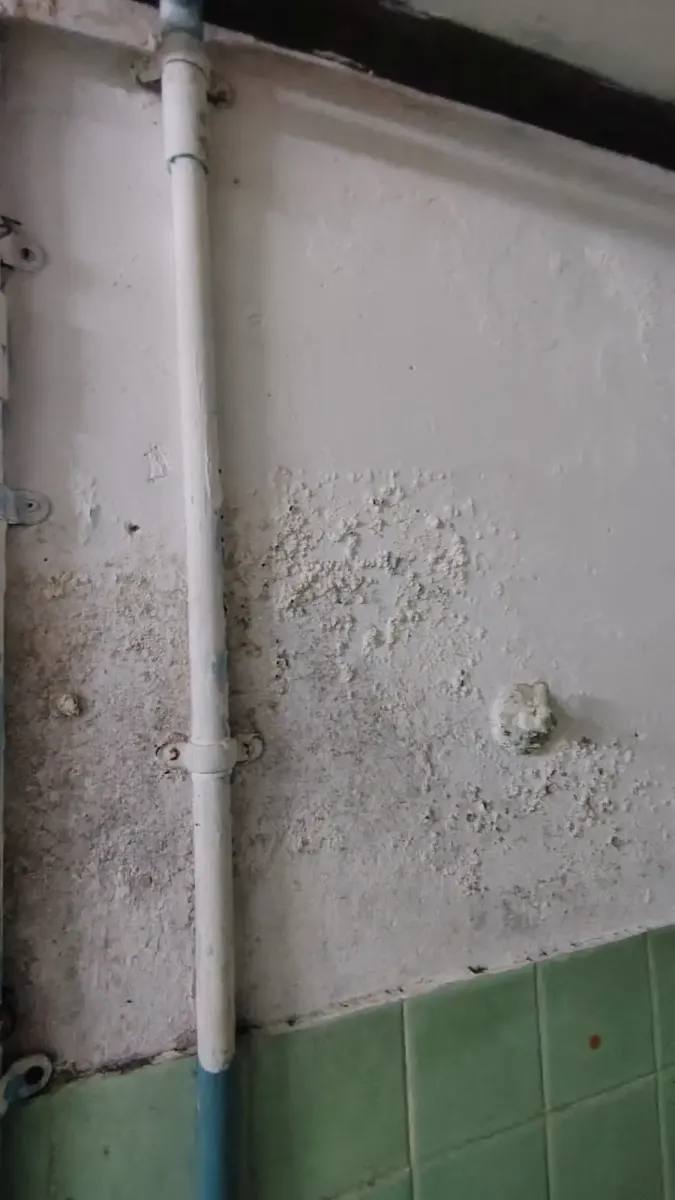
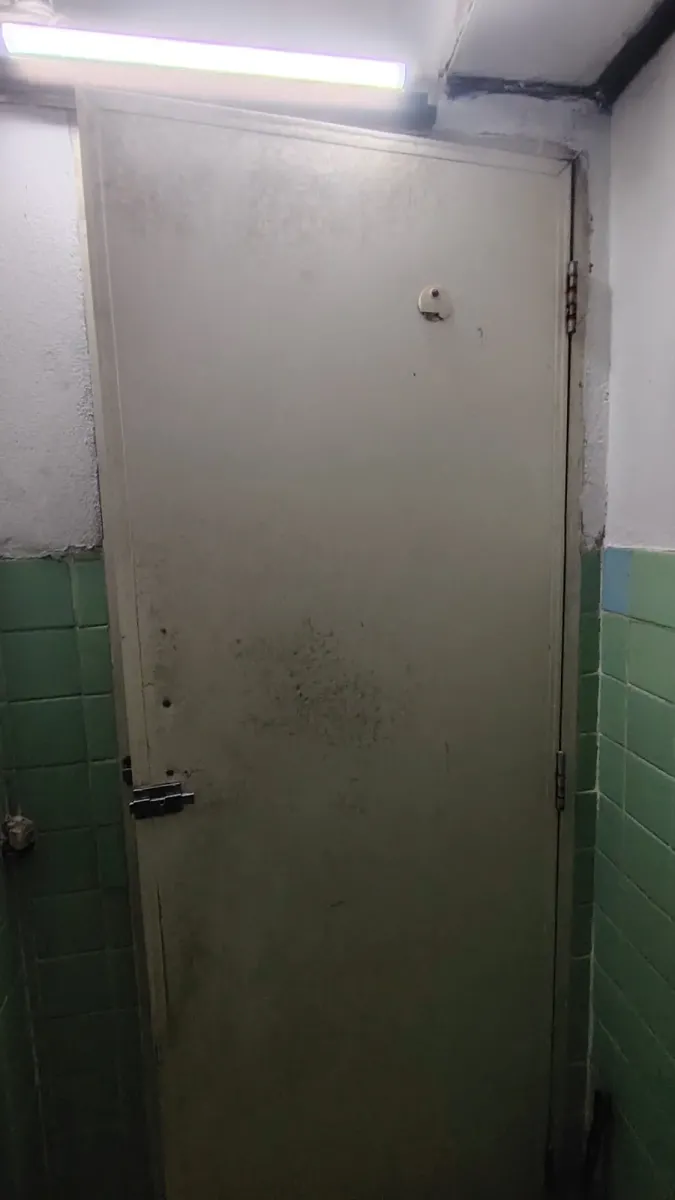
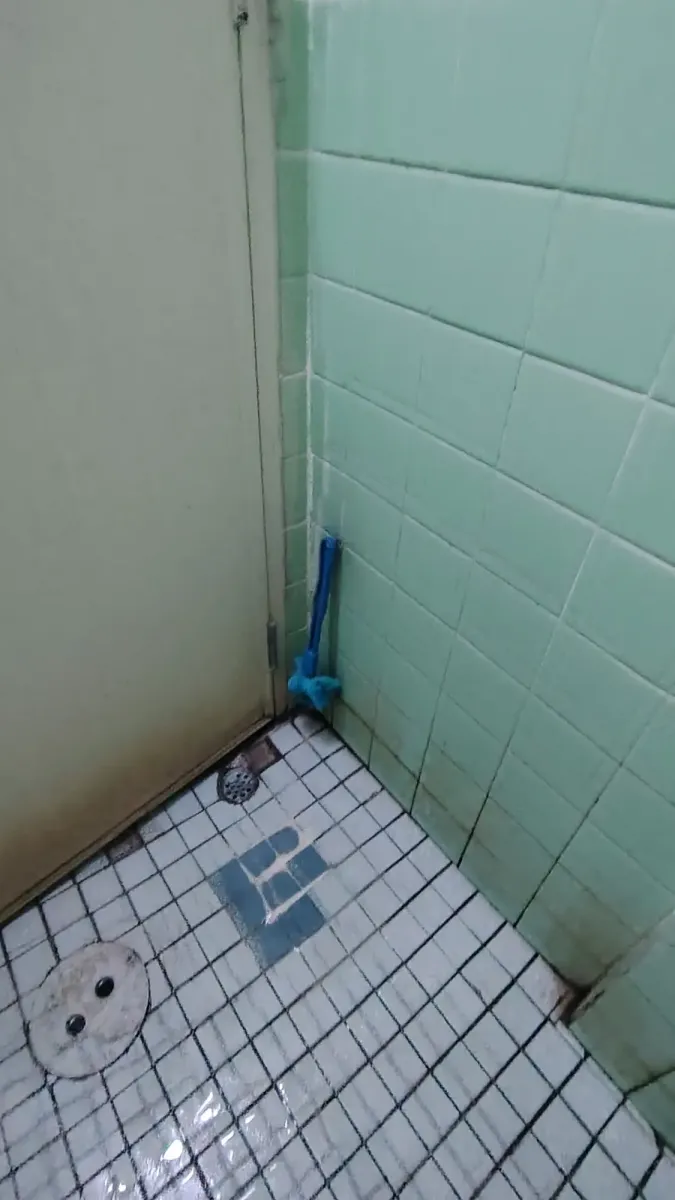
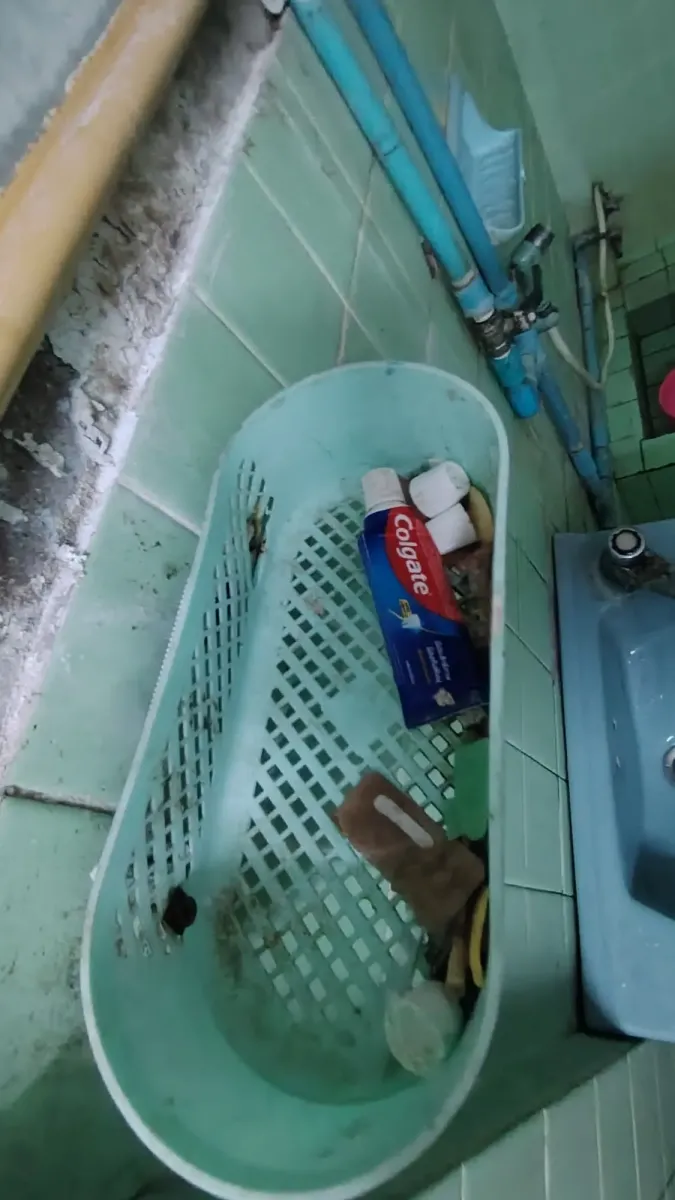
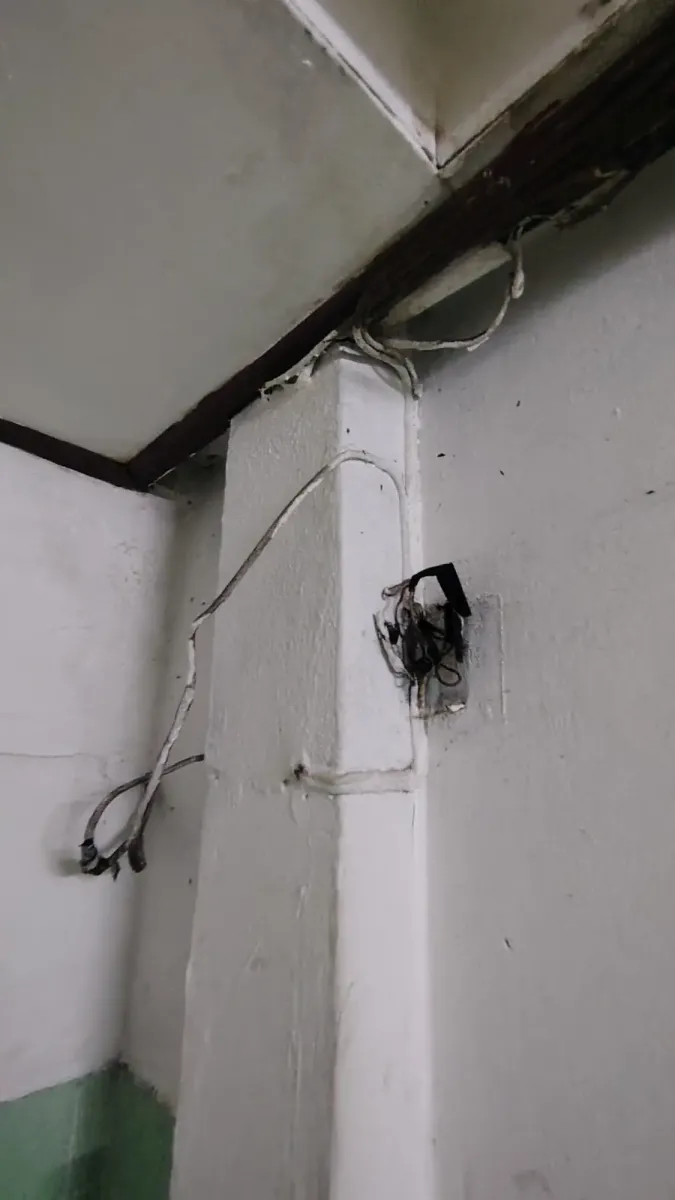
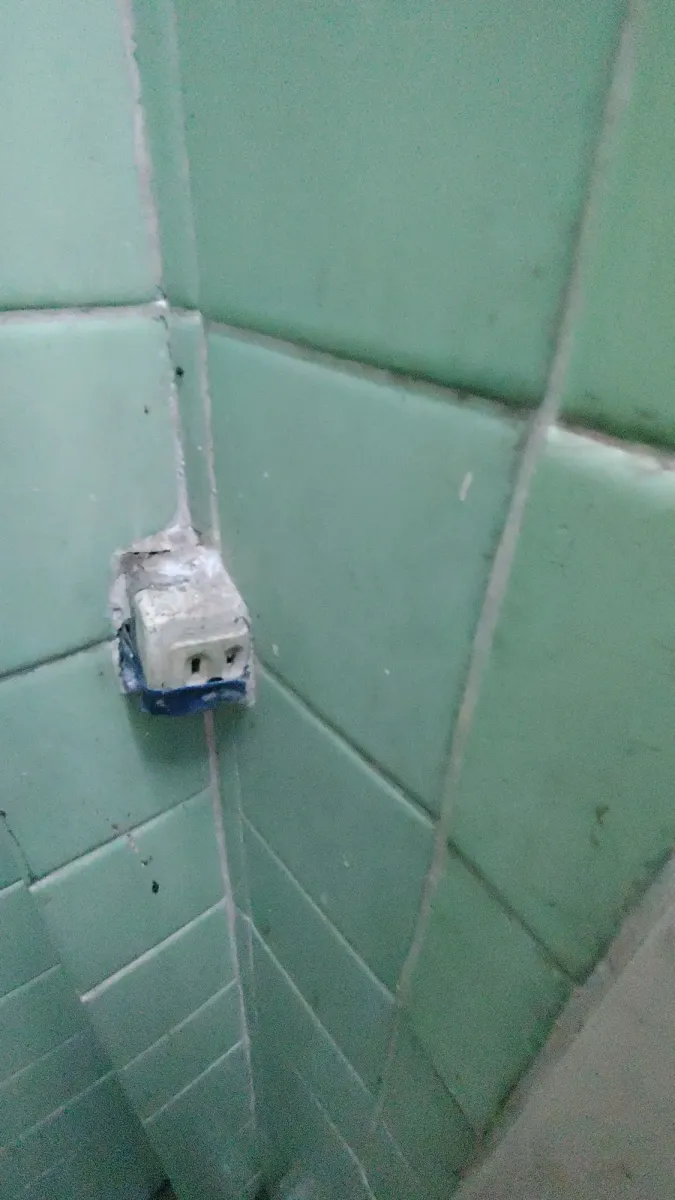
A squat toilet. Next to it, a small tiled tub that could be filled with water, which could then be used—via a plastic container—to flush away whatever had been deposited. A fixed showerhead. There was no water heater, so the water temperature was left entirely to nature. A mirror at head height—somewhat worn, and looking as if it dated back to World War II. A tap that dispensed water for one second each time it was pressed. A basket for toiletries above the tap, containing a few empty toothpaste tubes and some used cotton swabs. A soap dispenser and a shampoo dispenser—well, actually, those weren’t there. An electrical outlet—lacking any safety grounding—partially obscured by the door frame. A few electrical wires in the corner—possibly without any current; I didn’t feel like testing that. A trash bin, because in Asia, it’s considered improper to throw anything into the toilet. Since I hadn’t brought any paper with me, the bin wasn’t really needed for that purpose anyway. I couldn’t even find a trace of a toilet paper holder. And my favorite: a toilet brush—hung up right next to the door, as far away from the squat toilet as possible.
I used the toiletry basket with great caution. For once, I didn’t feel the urge to clean it up. It had a somewhat museum-like quality; I wasn’t entirely sure if I might end up throwing away actual museum exhibits.
The water was surprisingly pleasant—though, here in the tropics, there isn’t really much call for hot water. The showerhead, fixed firmly above my head, made rinsing off soap a bit of a challenge, but I managed to overcome that hurdle every time.
I brushed my teeth here with a fair amount of trepidation. Yet, trust—a recurring theme—held true. Perhaps I was overthinking the connection between the cleanliness of the tap and the quality of the water entering my mouth?
As for the squat toilet—that’s actually a rather useful invention. With nothing to sit on, there’s no need to worry about picking up crabs. A fair trade-off, I suppose. Of course, you wouldn’t bring the daily paper in here—unless, that is, you had other plans for the newsprint…
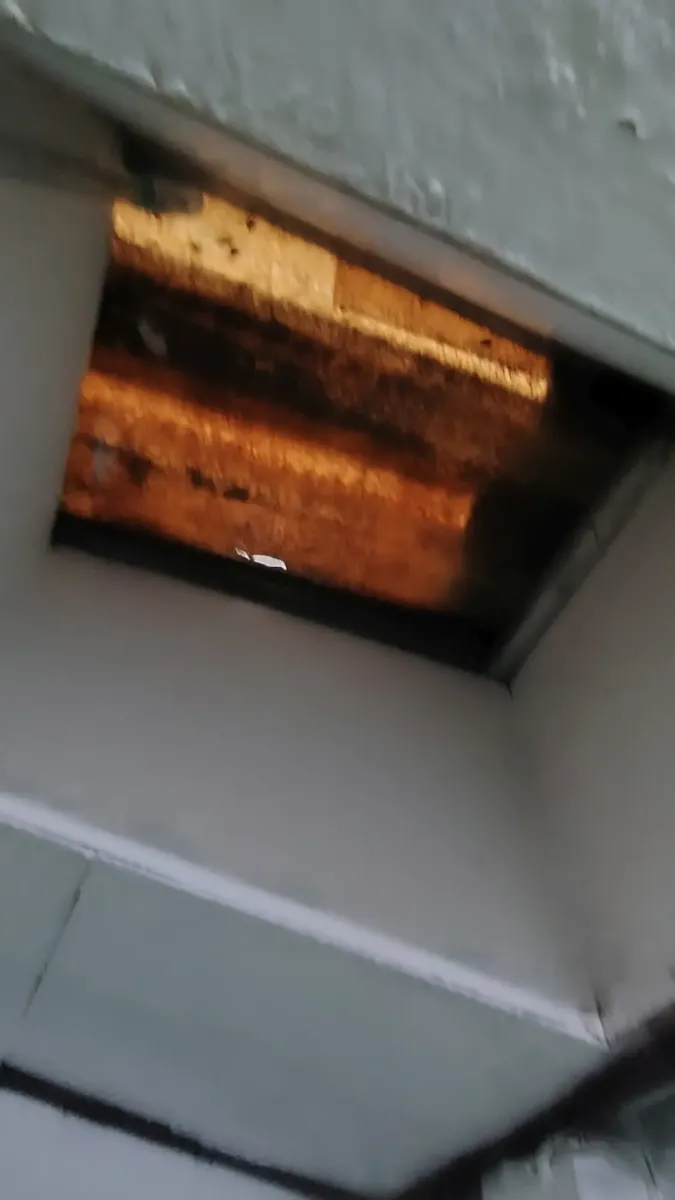
The bathroom had another peculiar feature: despite the presence of a toilet, there was no smell of urine. Instead, there was a distinct scent of cat pee. I don’t assume the cats come inside to relieve themselves; rather, I suspect they prowl around above the ceiling and do their business up there. That would certainly explain the odor.
For the past few months, I’ve made a conscious effort to take deep breaths of the air—even when the stench is truly pungent. I do this to remind myself that life encompasses not just the scent of flowers, but the smell of rotting refuse, too. I do not turn my senses away even from unpleasant smells.
So, in the end, I can state with certainty: I had no issues with the bathroom either.
The Surroundings of the Accommodation
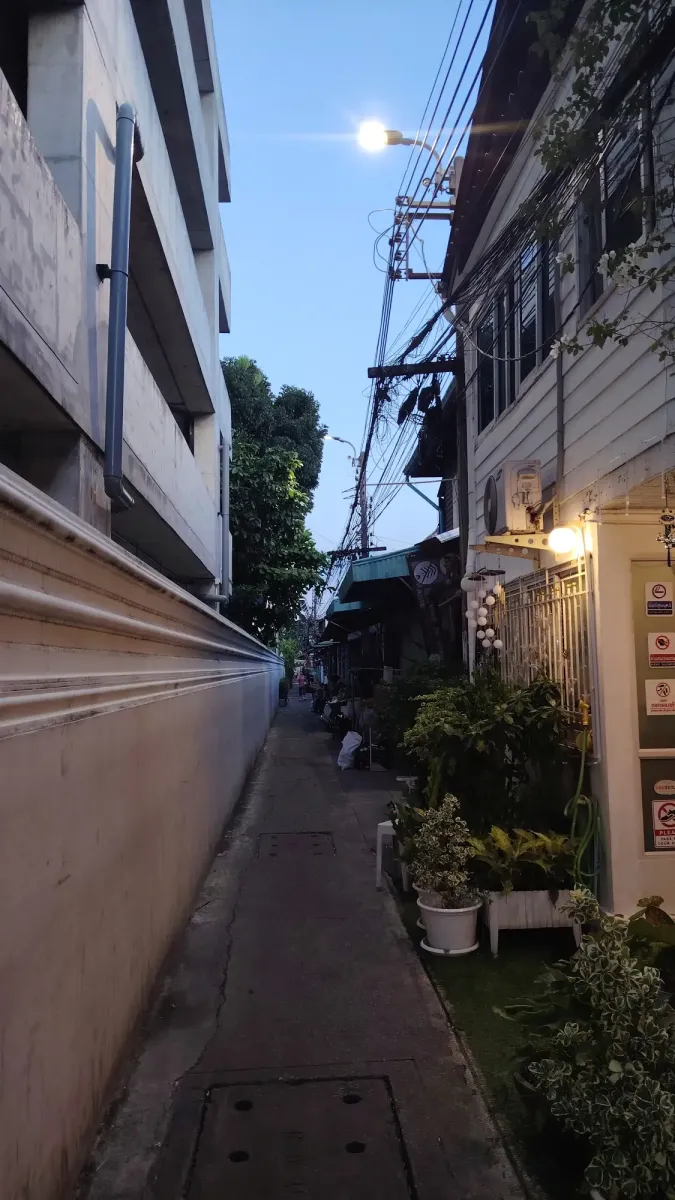
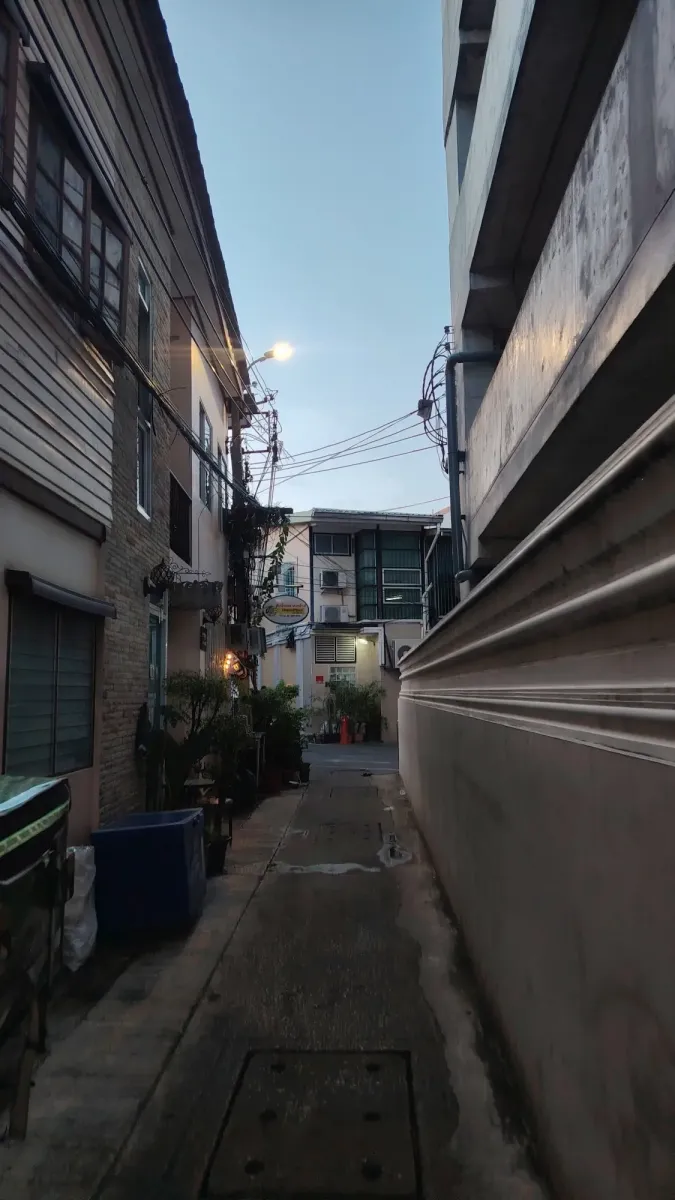
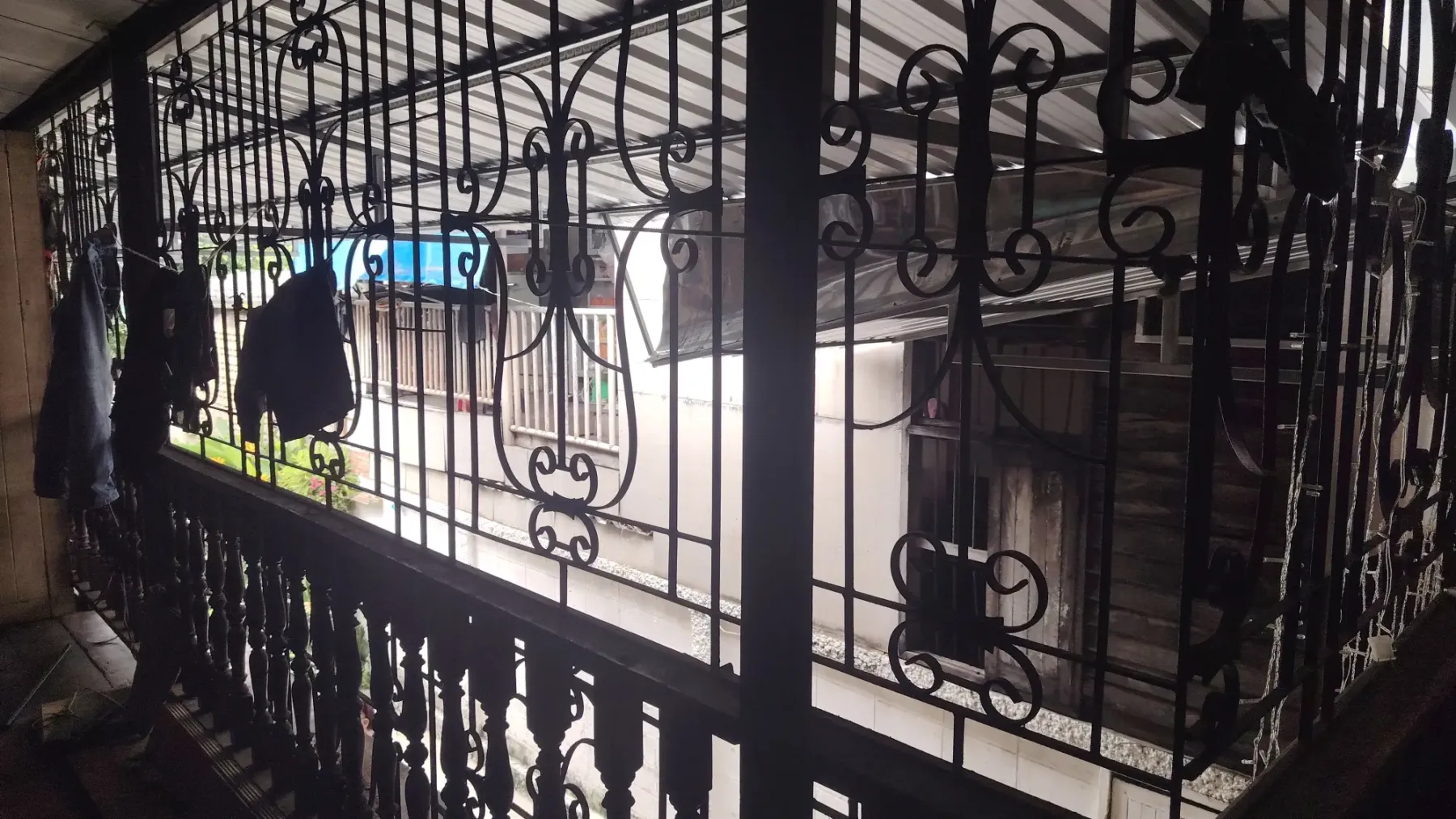
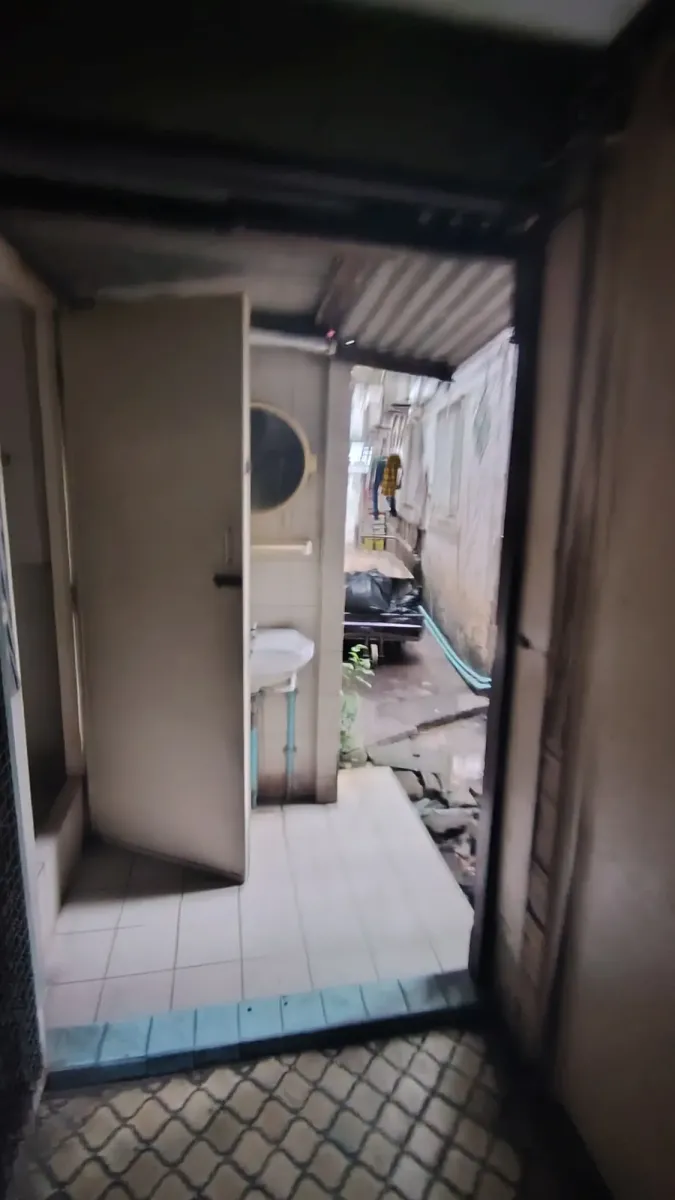
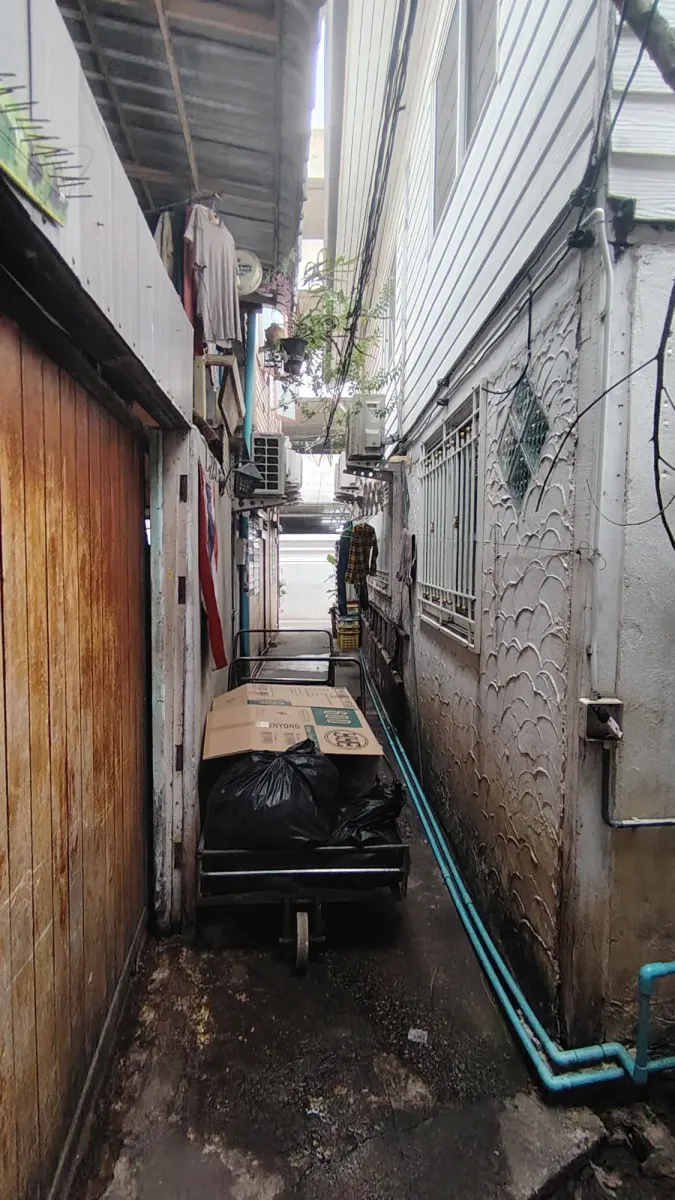
The accommodation could be approached from one side via a secluded side street. The other entrance opened onto an alleyway that… well, let’s just say that, in the evenings, scenes from certain action movies would occasionally cross my mind. You know the kind: a weary soul heads home through the dim, flickering light of streetlamps—and then, someone steps out from the shadows. With a flourish, they spin a butterfly knife and politely ask for everything you own.
Admittedly, there’s a bit of exaggeration in that scenario. Still, there were moments when I felt less like the author of the story and more like a mere chronicler—as is my habit.
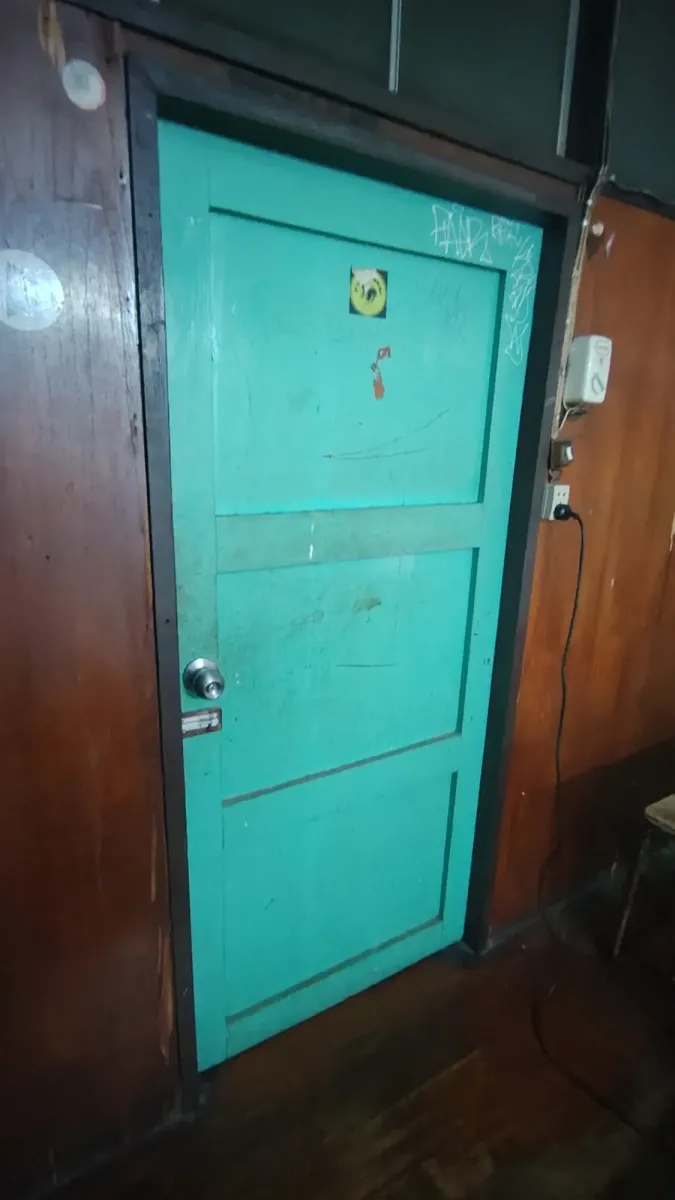
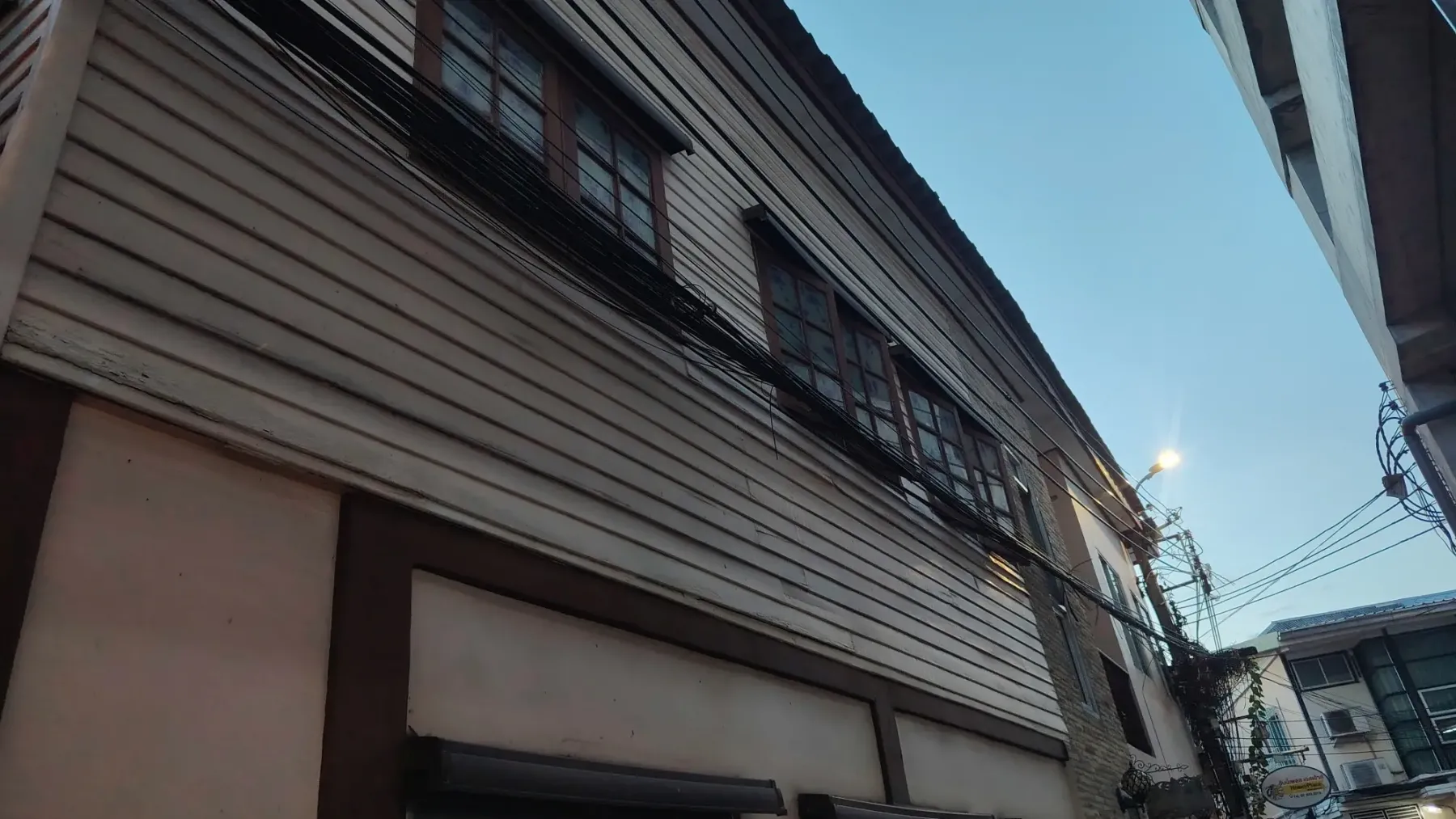
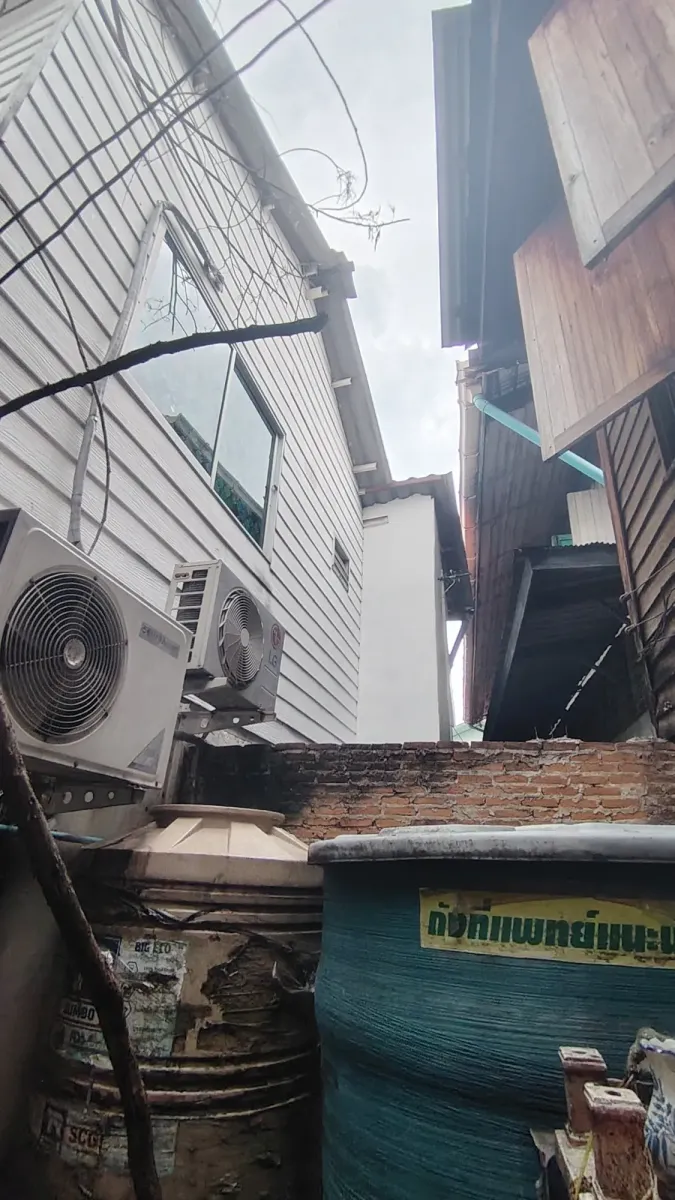
From the outside, the accommodation was indeed clad in wooden planks, so my friend’s description held true. Inside, however, it was a different story—but more on that later.
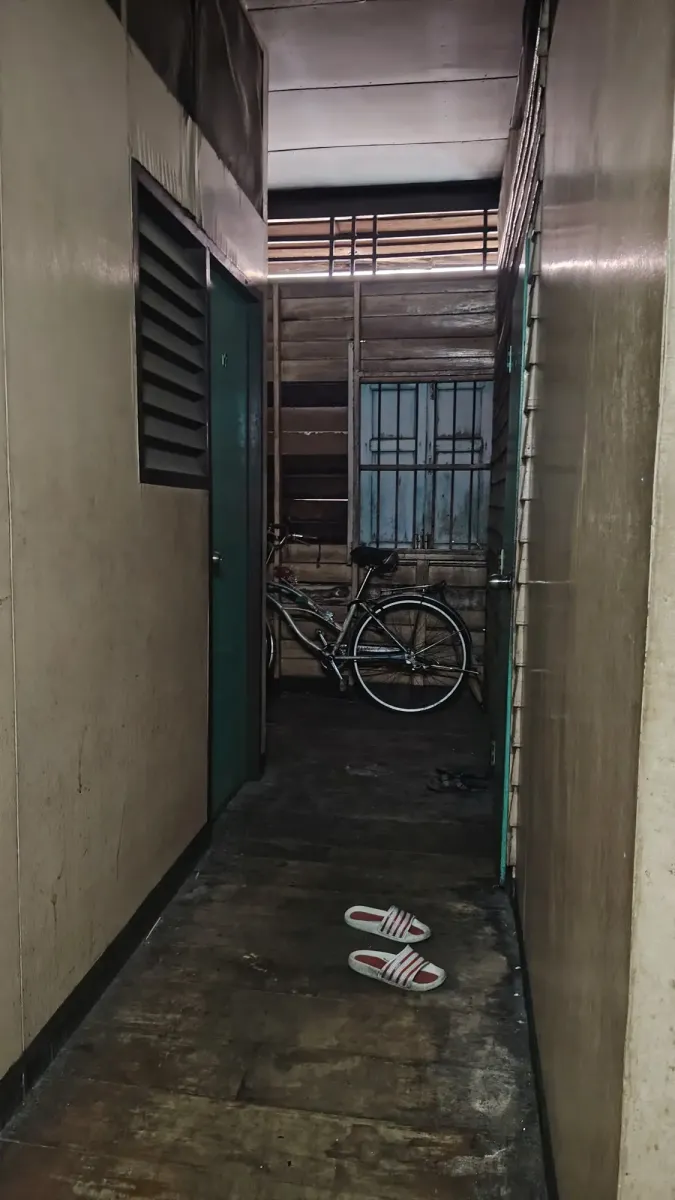
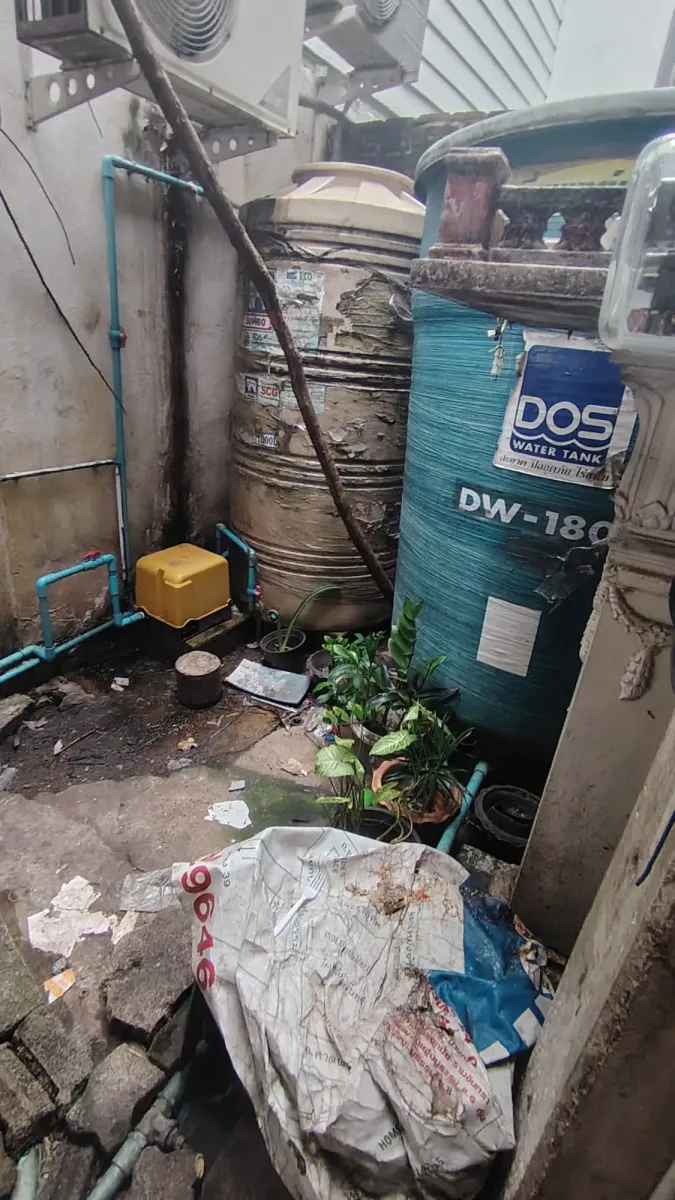
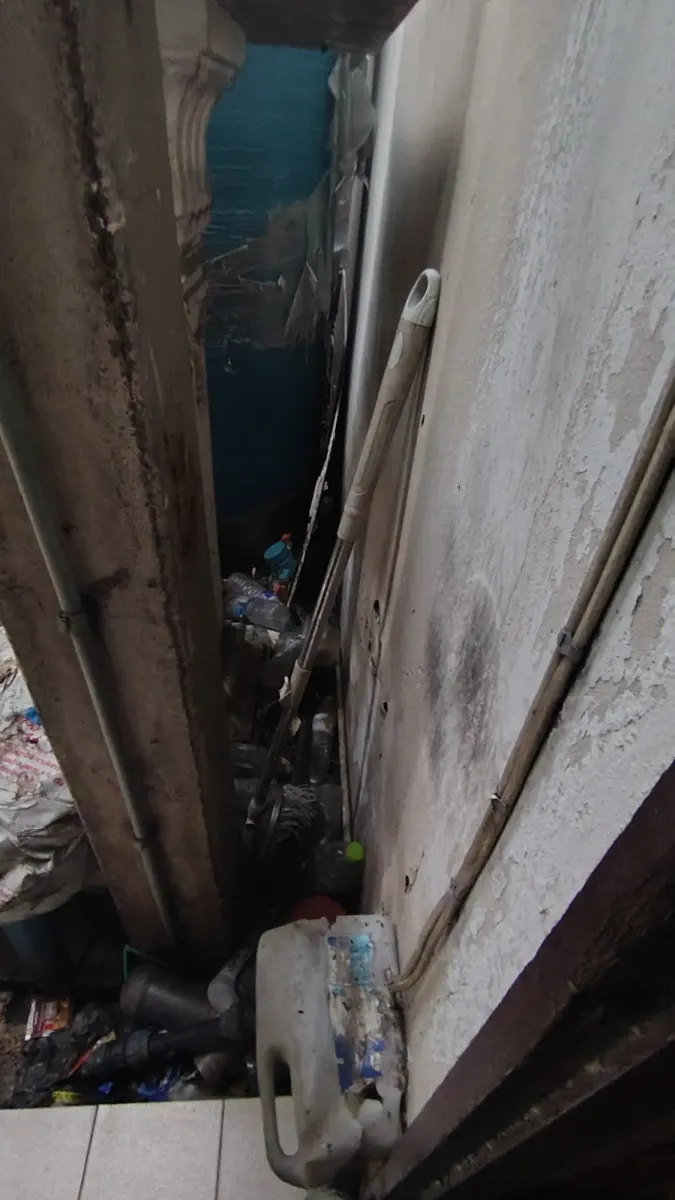
The rear entrance was made all the more “authentic” by a few piles of trash. The area around this entrance evoked the atmosphere of a shantytown. The narrow alley was frequently blocked—sometimes by a small handcart, other times by laundry hung out to dry. These obstacles didn’t stop me from getting into the building, but navigating the space required some serpentine contortions to avoid brushing against anything. I wasn’t entirely confident that I wouldn’t end up stuck to something.
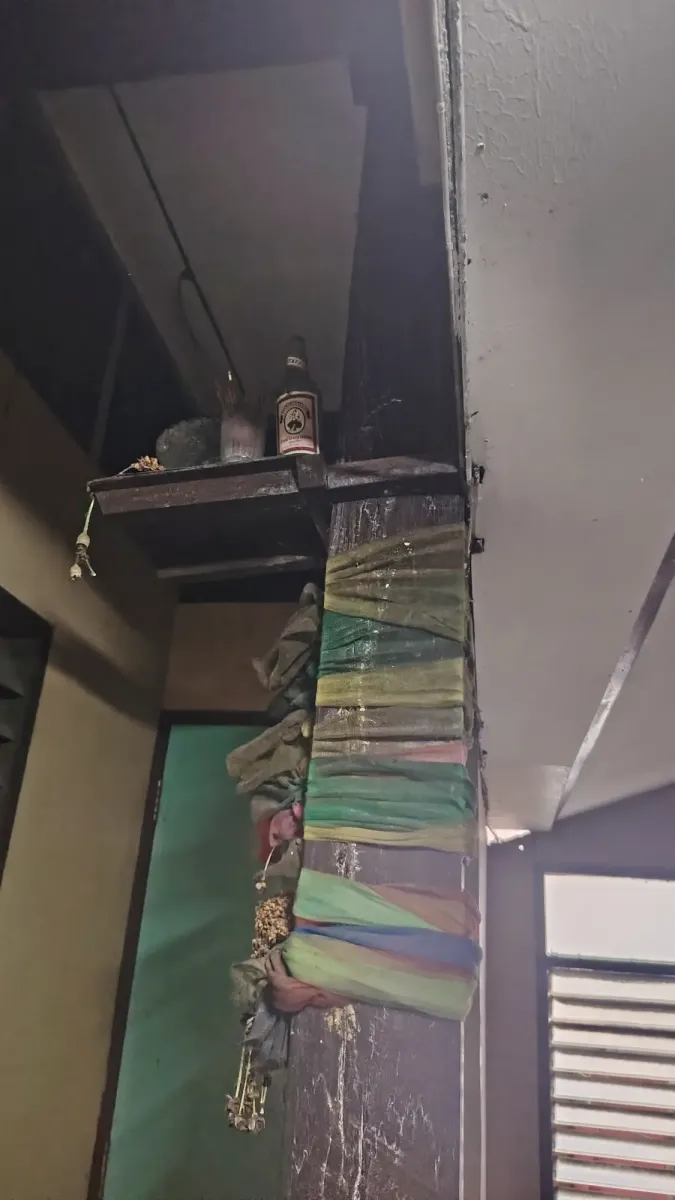
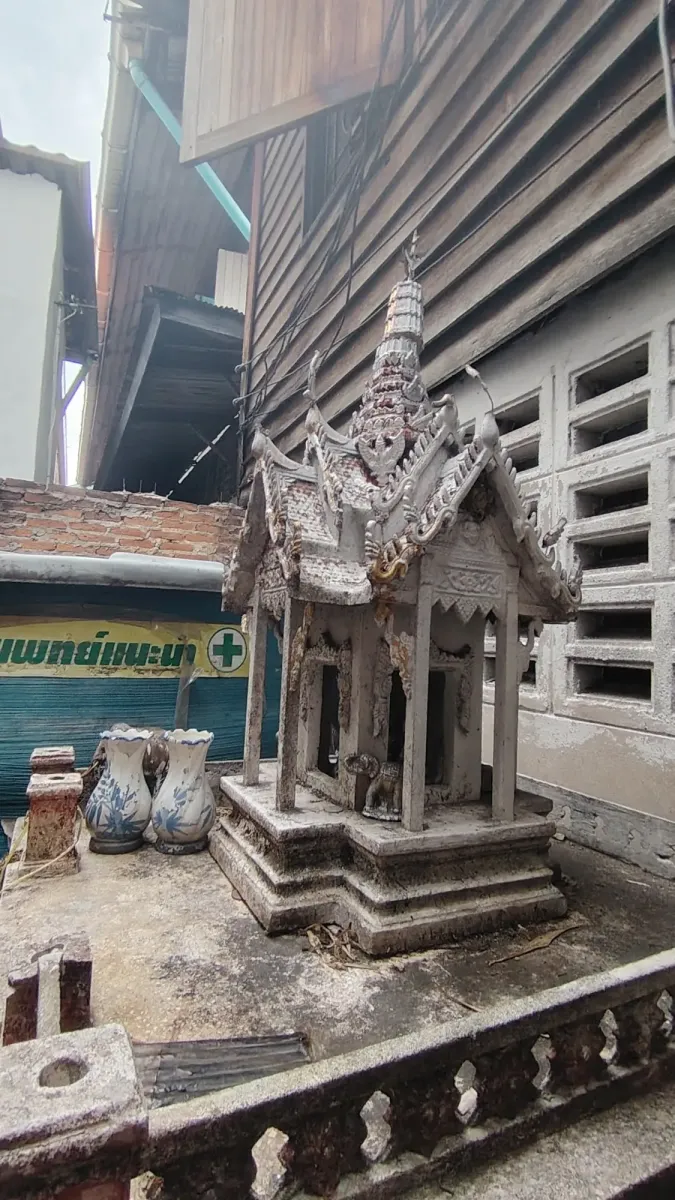
Right next to this entrance stood a “spirit house.” (See: “The spirit houses – saan phra phum.”) Interestingly, the spirit house—in its own state of simple, dilapidated decay—served as a perfect reflection of the condition of the building itself. I thought I detected a sense of self-consistency here. What would a pristine, spotless interior have looked like, given the actual state of the accommodation?
For the past 15 months, I have been living amidst trash—I’ve written about this before. In most parts of Asia, the cultural attitude toward waste is different. One might say I’ve simply grown accustomed to it, which is why the refuse around my feet doesn’t particularly bother me. But the truth is something else. It isn’t habit that makes enduring the trash easy for me; rather, I have simply placed it outside the scope of my own existence. I did this by accepting that, here, trash is just as much a part of life as cleanliness. It is not my concern; the world takes care of it.
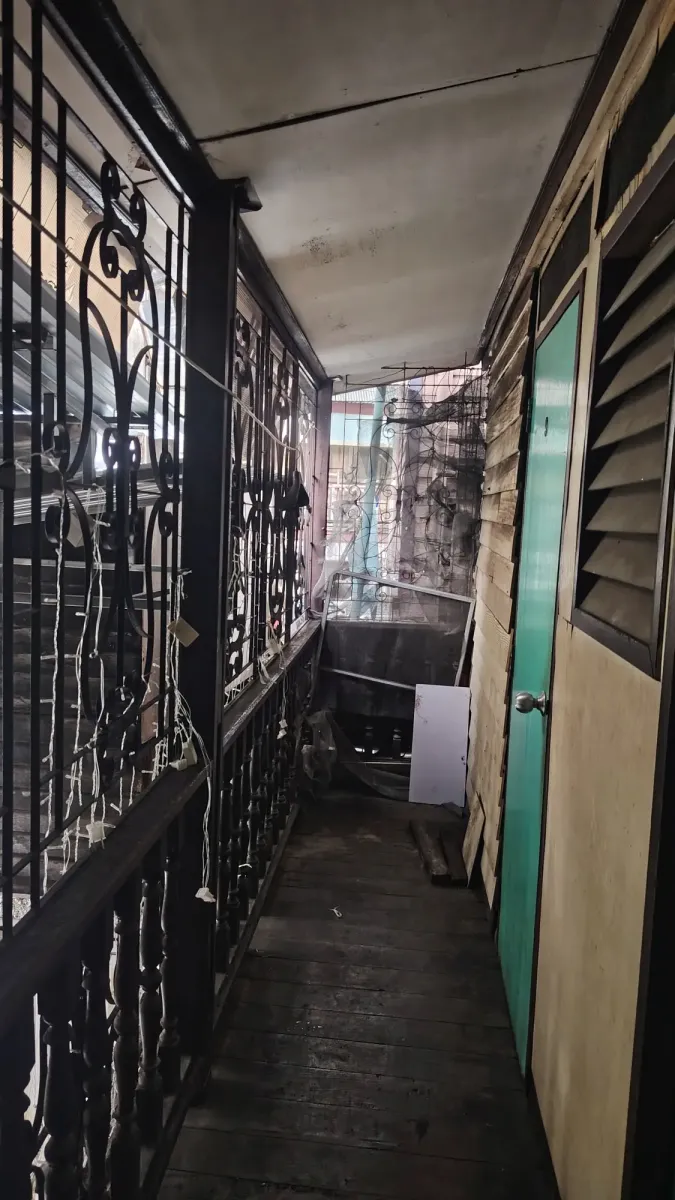
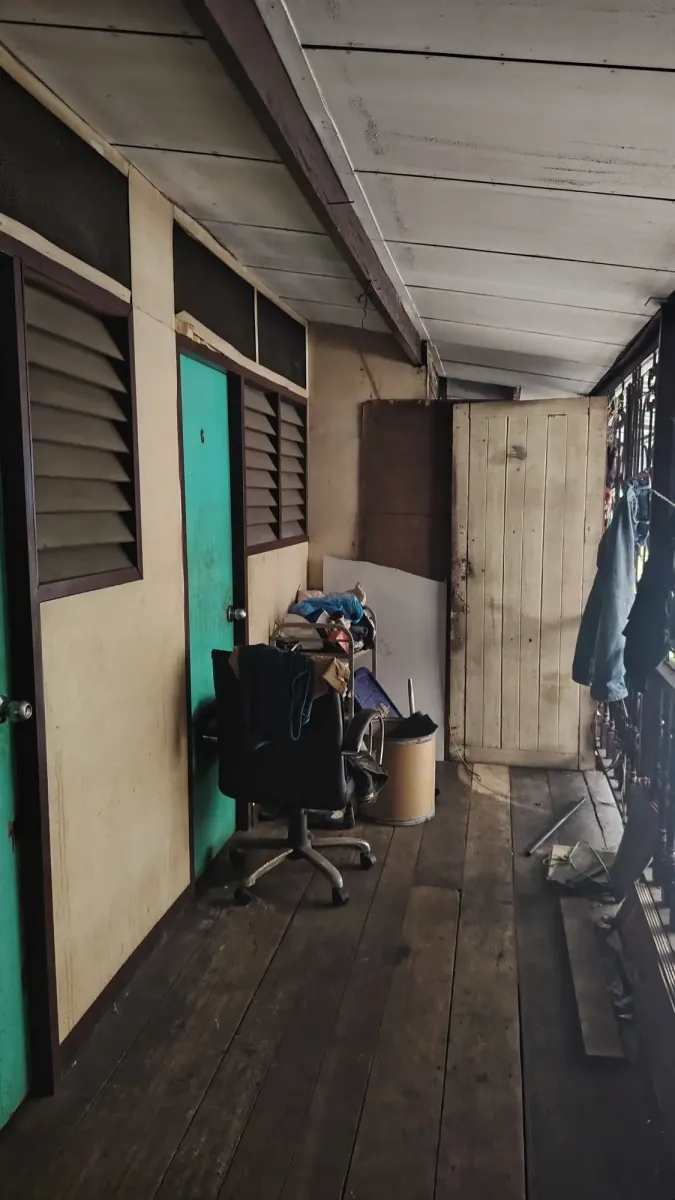
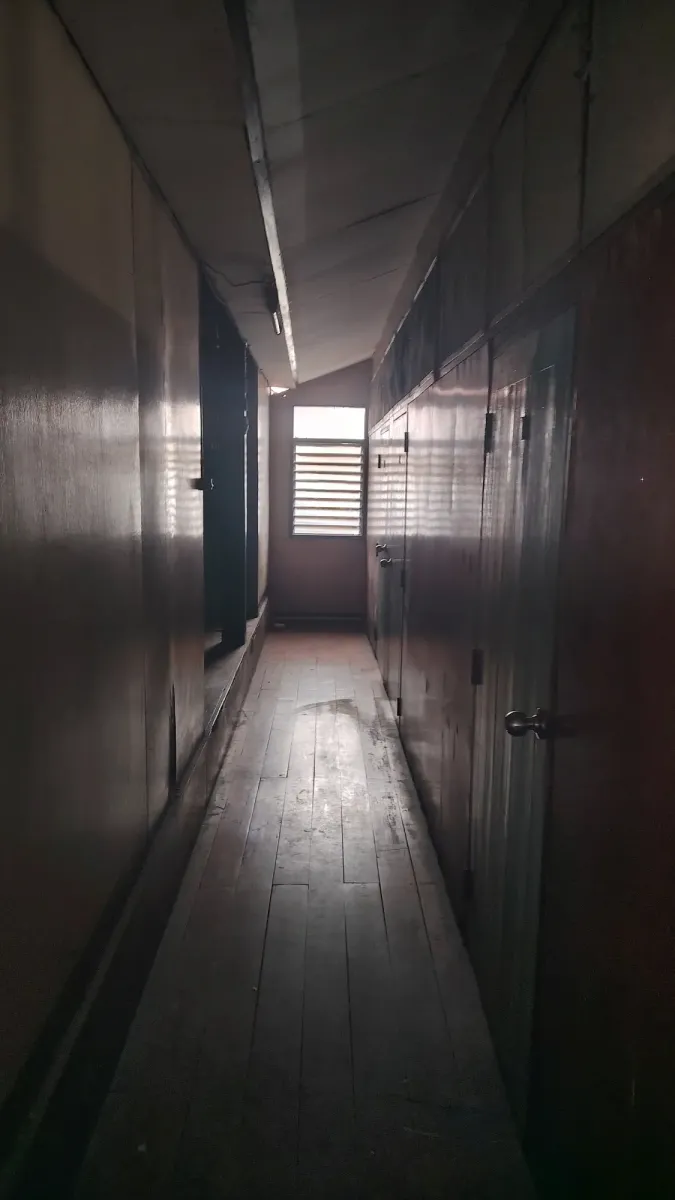
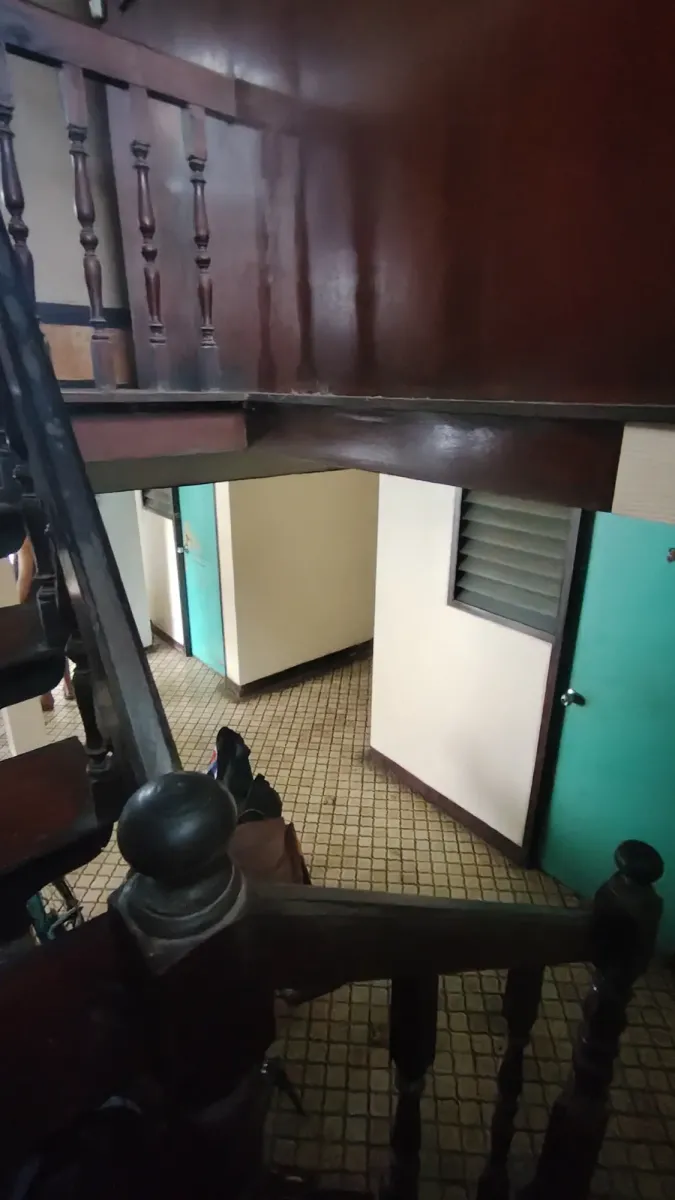
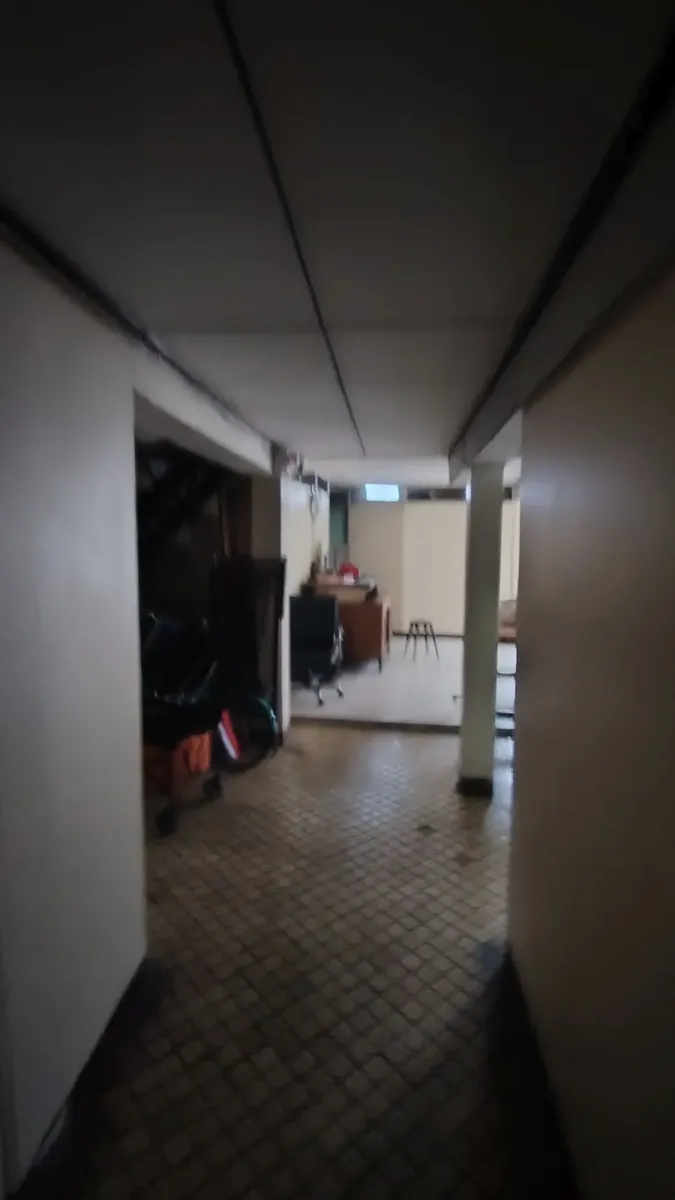
Viewed from inside—though from outside the room itself—the house presented a familiar sight. It most closely resembled camp lodgings from decades past, or perhaps aging, rarely used tourist hostels tucked away along the less-traveled paths of the mountains.
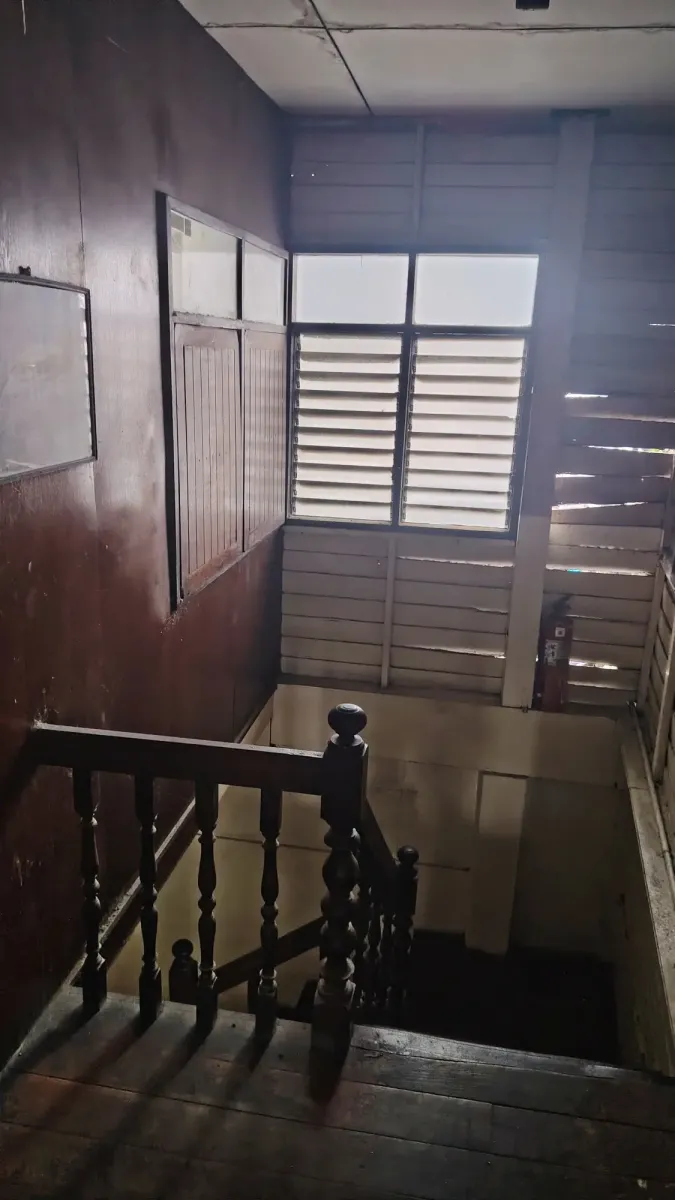
The wood that clad the exterior of the house appeared on the inside only as flooring. The walls were covered in plywood—a material that, for me, holds a certain romantic quality. It was used extensively during the socialist era, and I suspect it was manufactured from waste even back then; consequently, its quality was, quite literally, trash. In Hungary, we mostly used it to build chicken coops, woodsheds, and other structures not intended for human habitation.
Yet here, it serves as a home for people. At the very least, it provided me with a home. I felt quite at ease—both in the alleyway and within walls clad in shoddy, low-quality materials. And this wasn’t due to some romantic nostalgia; for some reason, I simply enjoyed the fact that such a substandard place was playing host to me.
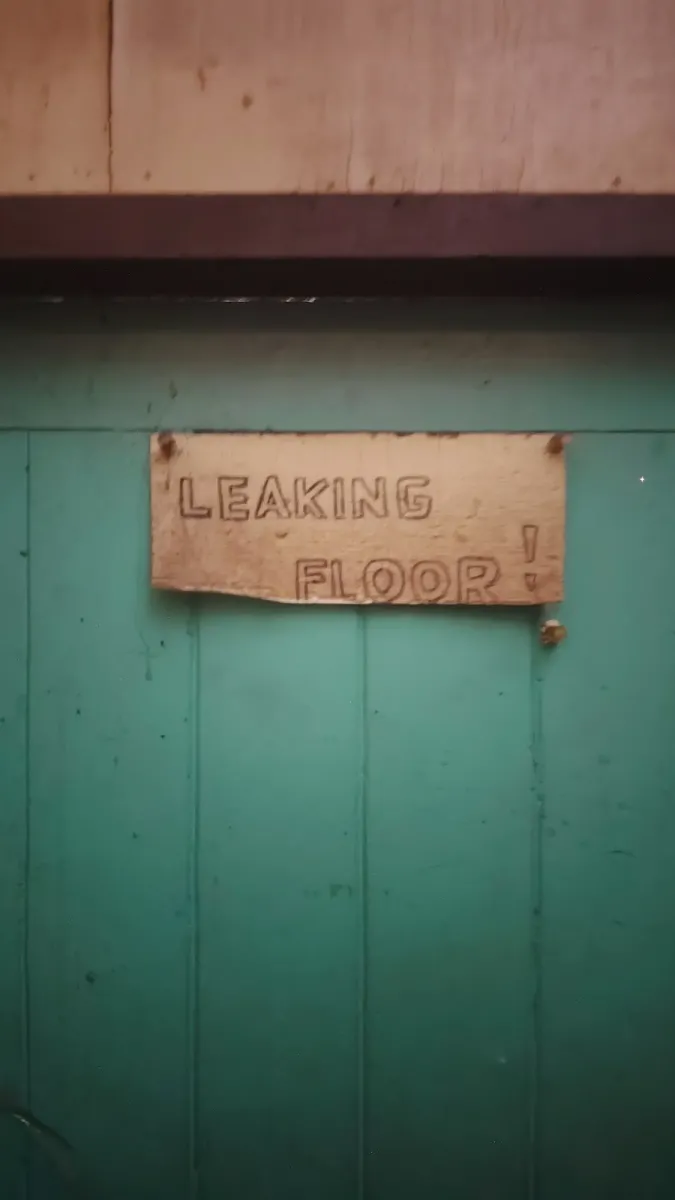
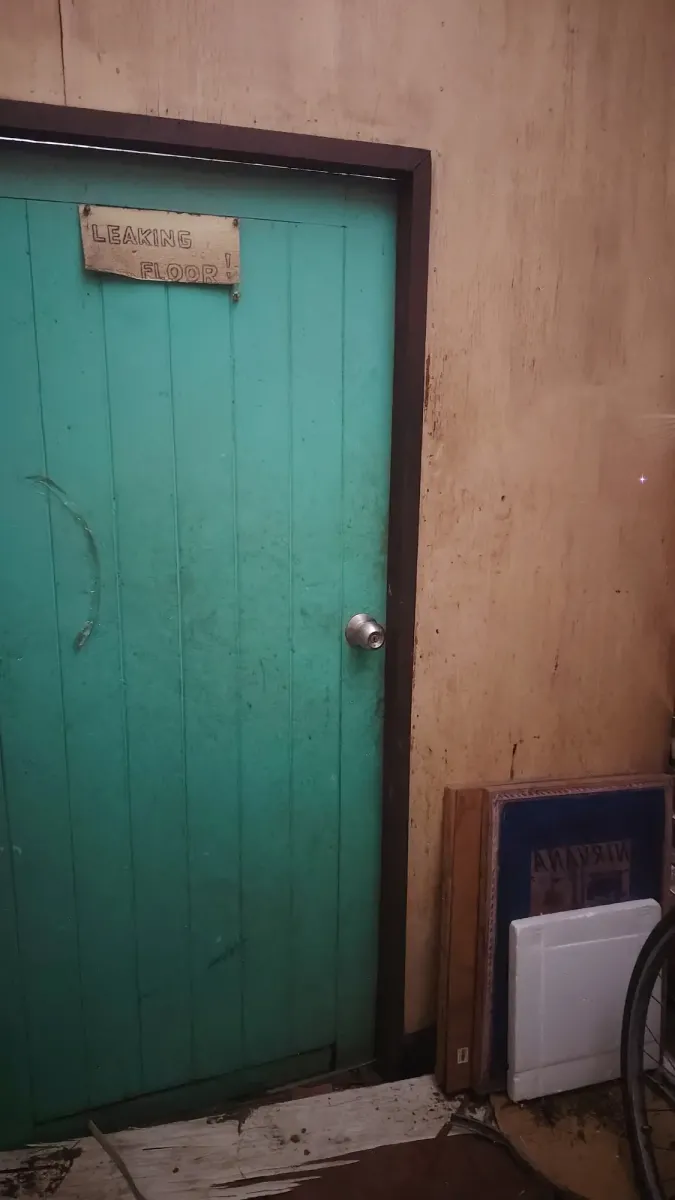
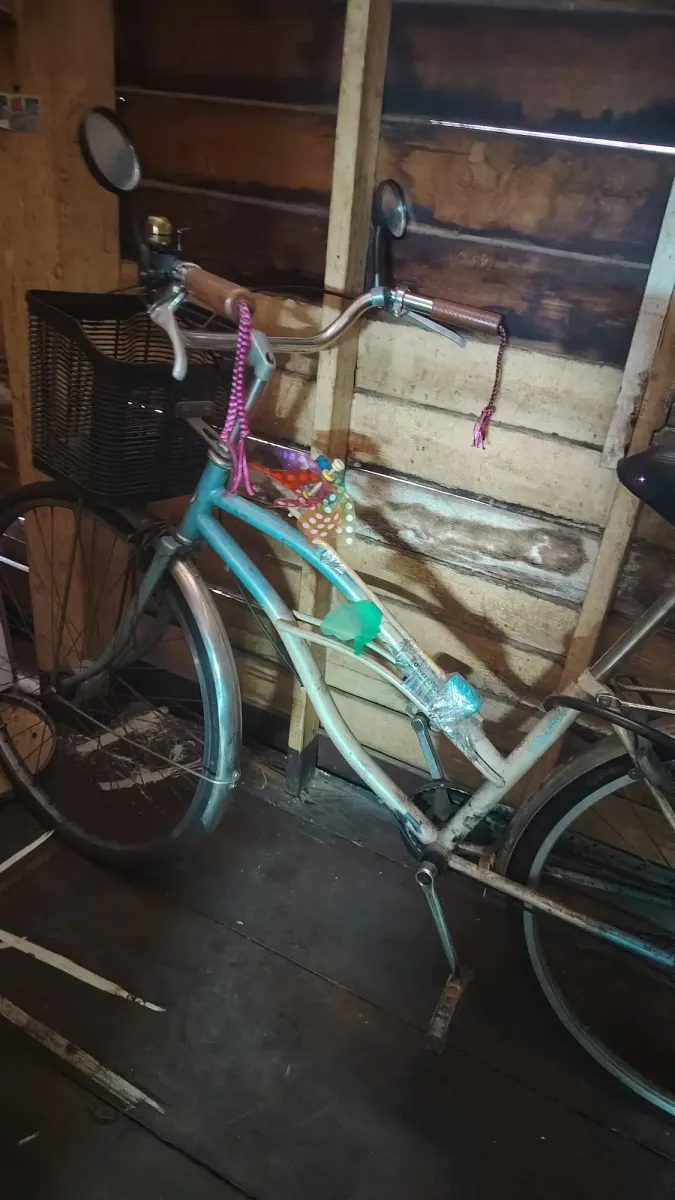
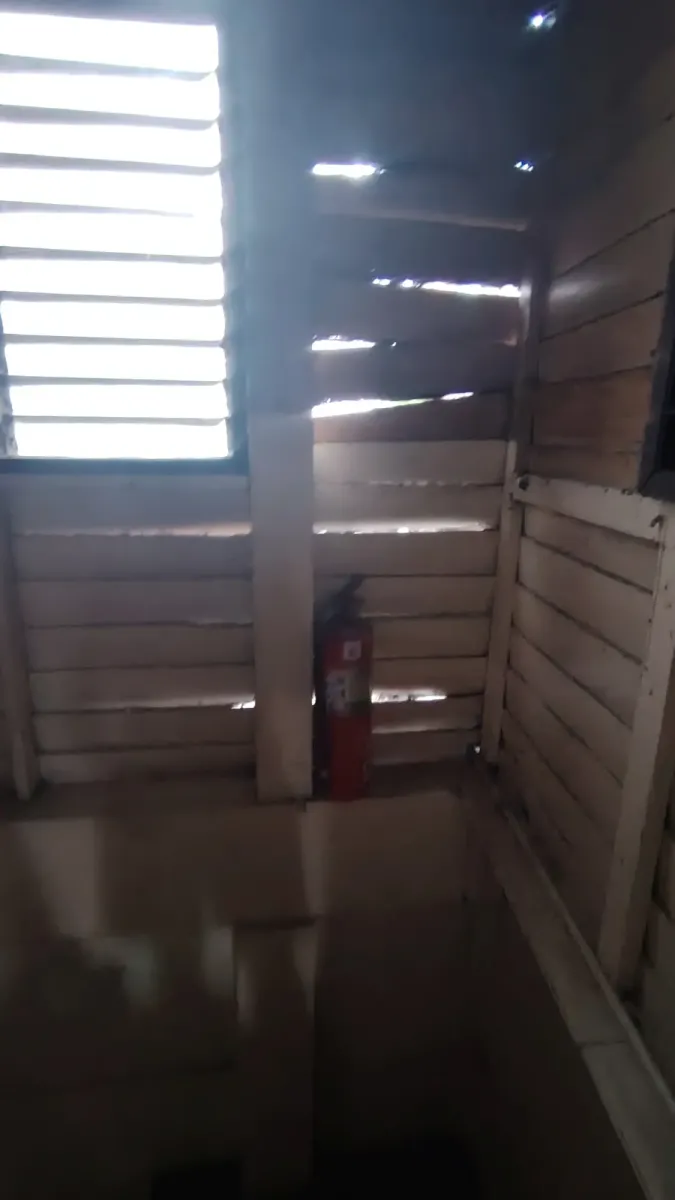
There were curious sights in the corridors. Gazing out at the world through the gaps between the wooden slats was a rather surreal experience. I found myself pondering the expiration date on the fire extinguisher—and the fact that, in a wooden building of this size, I had spotted only one. I also noticed a fantastic bicycle in front of one of the rooms, though I didn’t bother to ask why it was there; a sign warning of a dangerous floor quickly drew my attention away from the bike.
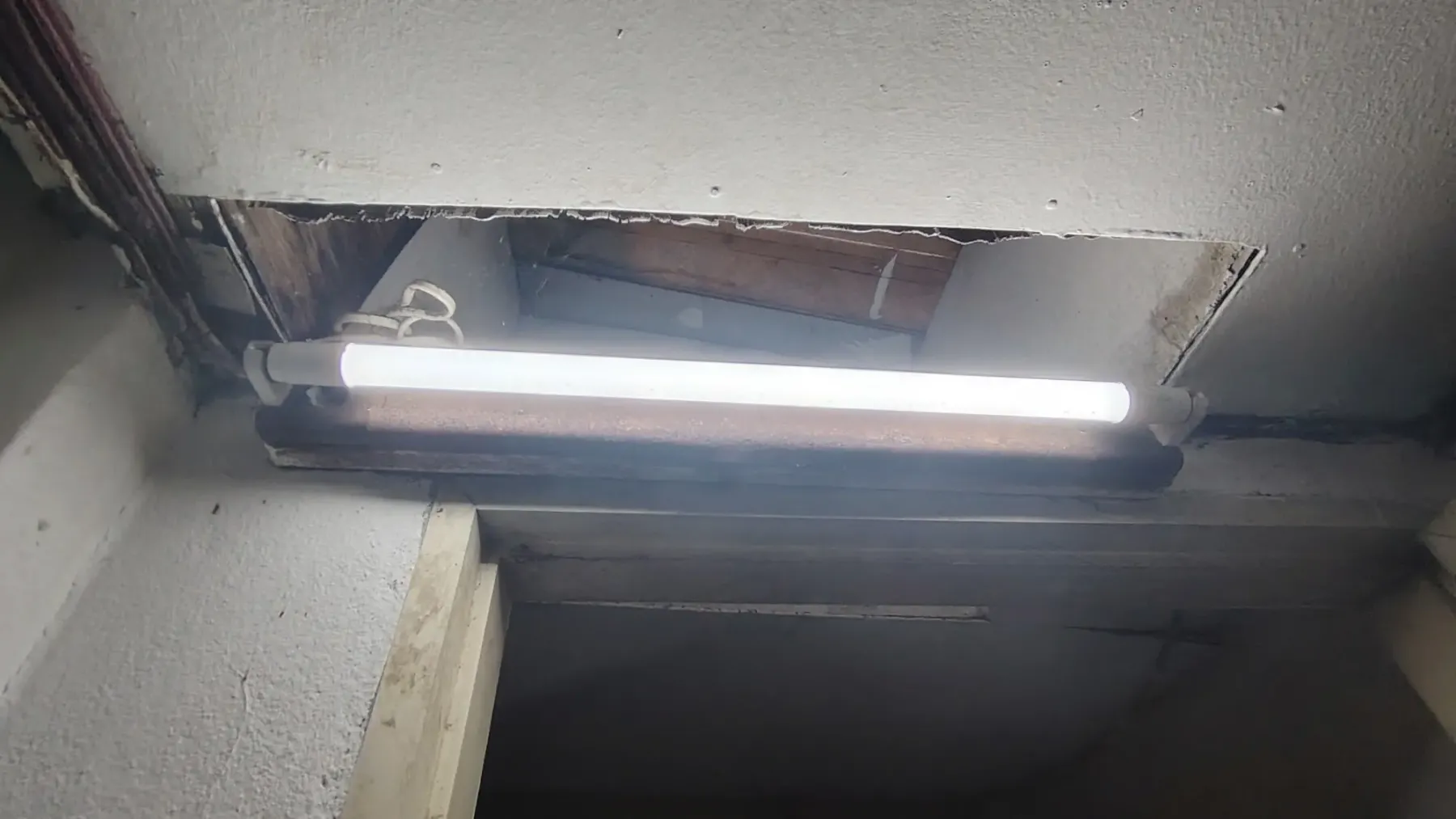
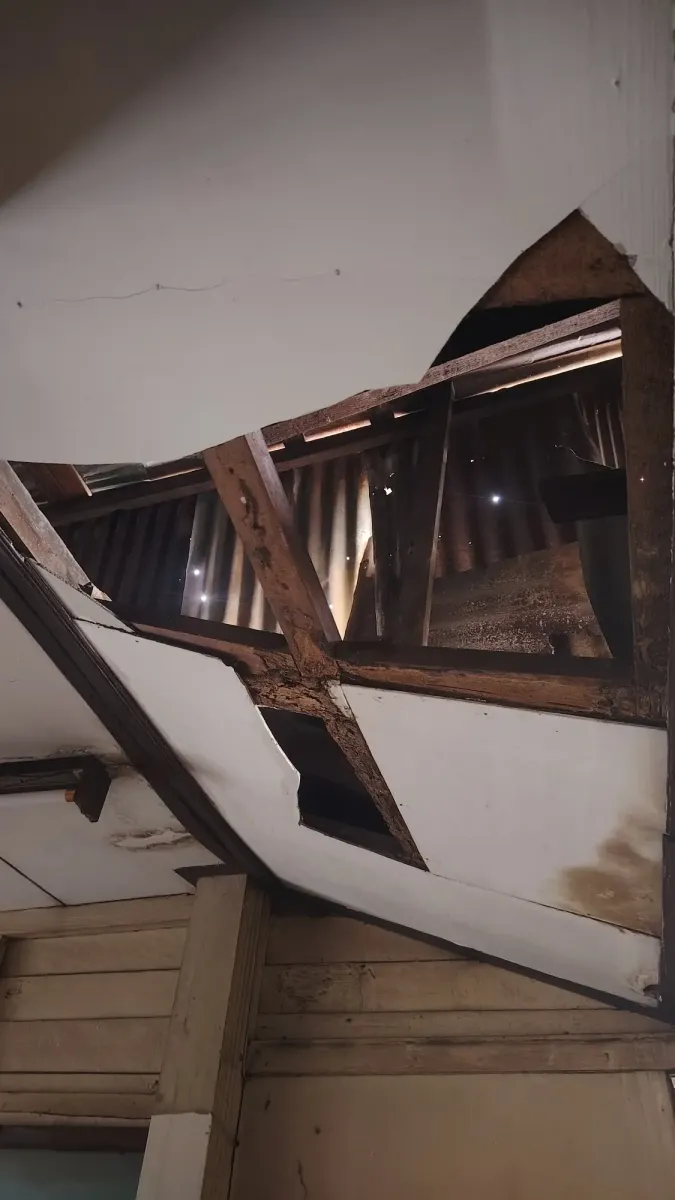
My personal favorites were the ceiling—riddled with holes and partially collapsed—and a rotary-dial phone sitting on a workbench that served as a reception desk. I had never seen a phone like that before! You had to insert coins to make a call—essentially, a street-side phone booth shrunk down to a tabletop size. Of course, I have no idea if it actually worked; it might well have just been another exhibit in this “museum.”
So, for three days, I found a home in this place—part museum, part squalid hovel, part retro relic, and, in places, downright life-threatening.
I loved this place, and my description was an attempt to capture that affection. After all, everyone has the chance to take a look at their prospective accommodation before moving in. It is my own private affair that I have no need for this.
I have stated this many times: for me, a bed and a table are enough to carry on with my daily life.
This accommodation demonstrated that the quality of the table and the bed also matters. It’s just that, in my view, it doesn’t matter to me.
Postscript
My friend! Thank you for this recommendation! You knew this would be good for me. I loved living here!
Buy me a coffee?

If you enjoyed this story, you can buy me a coffee. You don’t have to – but it means a lot and I always turn it into a new adventure.
Buy a coffee for Steve
 Linktree
 Short introduction