
I wrote about how my relationship with MegaEsim began back in late August, in my post titled “A year in Asia. Have I always had internet?“
In short: the founder of MegaEsim happened to read one of my posts. (Interestingly, I even forgot to ask which one it was!) They reached out to me and proposed a collaboration—offering their support. As a result, I gave the MegaEsim service a try—and I continue to use it to this day.
Our agreement included the understanding that I would share my experiences in this post. Everything—the good and the bad—is included here. The founder did not ask to see this post, nor did they review it before it was finalized.
I neither requested nor received any special assistance prior to testing the service; I approached it just as an average user would. At the agreed-upon time, I installed the app on my phone and set up the connection.
The support provided consisted of two 20 GB data packages for Southeast Asia, each valid for 30 days.
I remain grateful for this to this day. But even more importantly, it is vital to me that my professional relationships are built on mutual respect—and that was present throughout my entire correspondence with the founder of MegaEsim. I hope that one day we will have the chance to speak in person as well. I am curious about the person behind the system, and I would like to get to know the team.
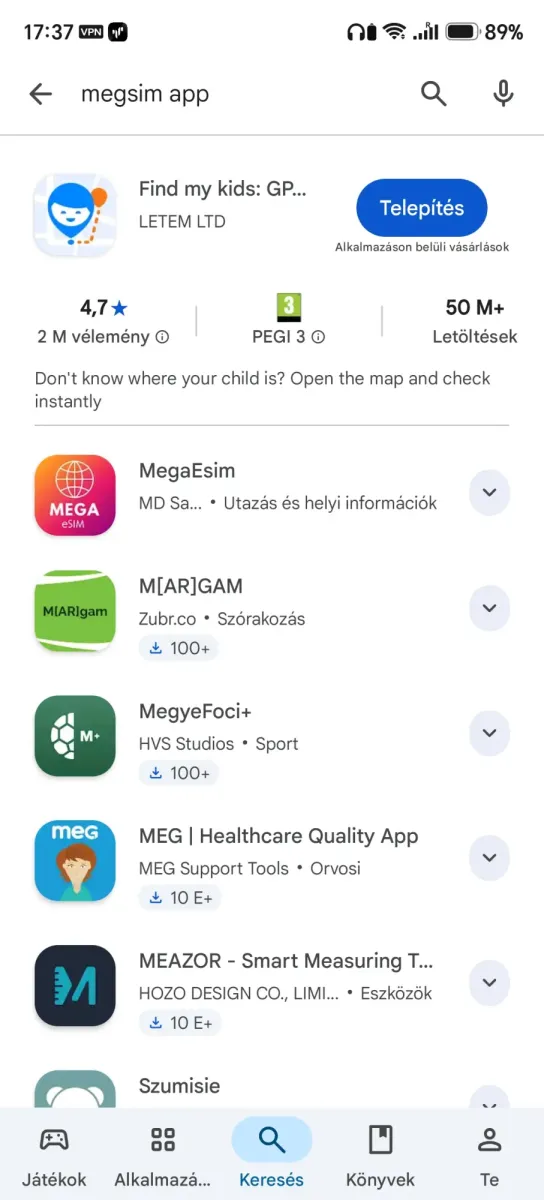
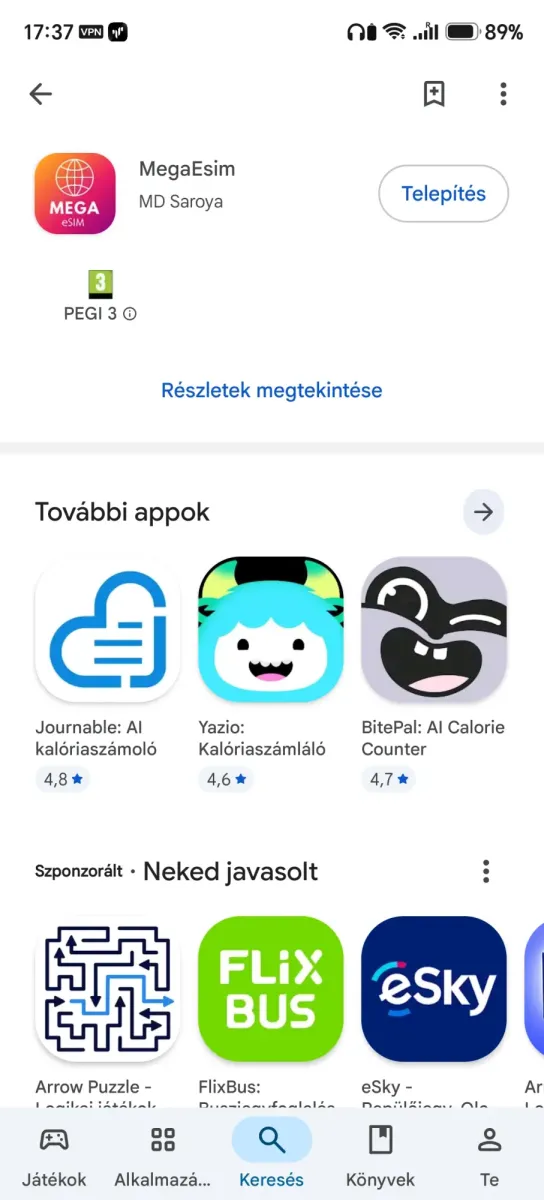
As expected, the installation process on the phone was incredibly simple.
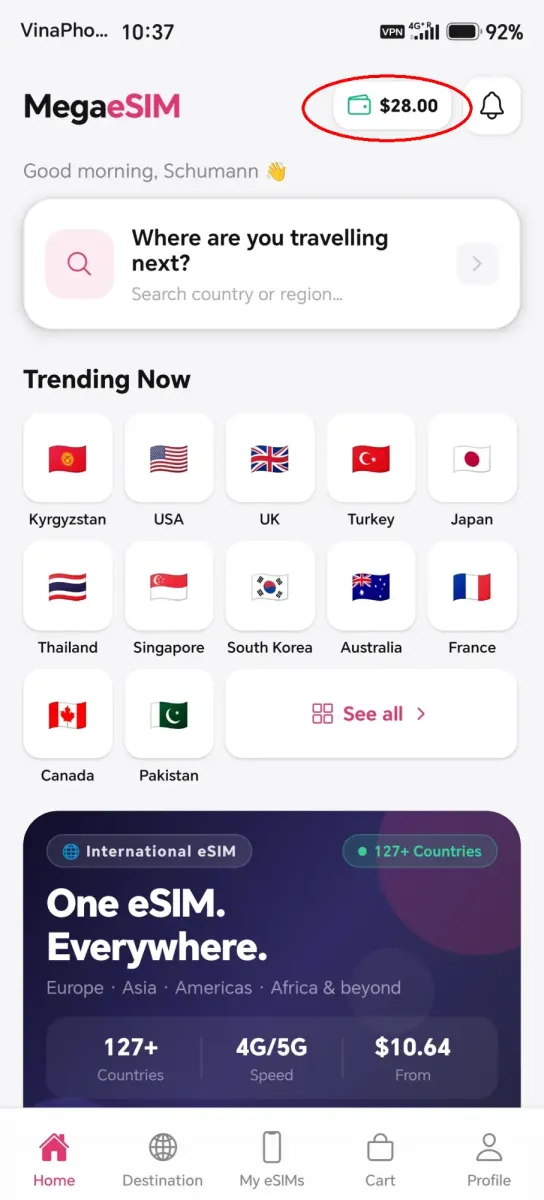
I found the app on Google Play right away. After a few clicks and a code-based verification, my phone was ready to use the service.
My account immediately showed that I didn’t have an active data plan.
At this point, I let the founder of MegaEsim know that I was ready; using my email address, he promptly credited my app with the funds needed to purchase a data plan.
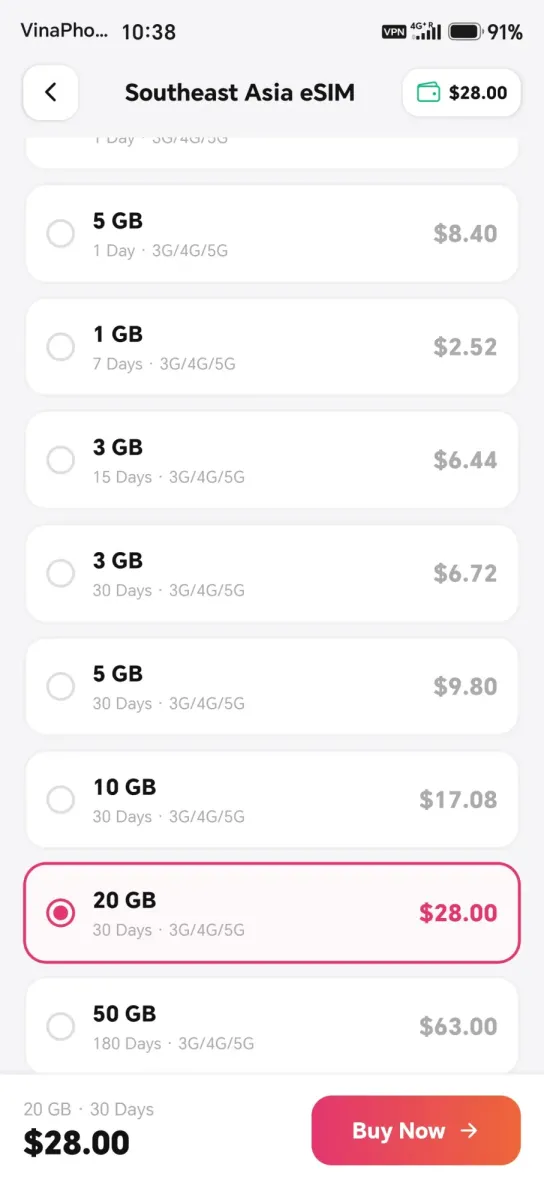
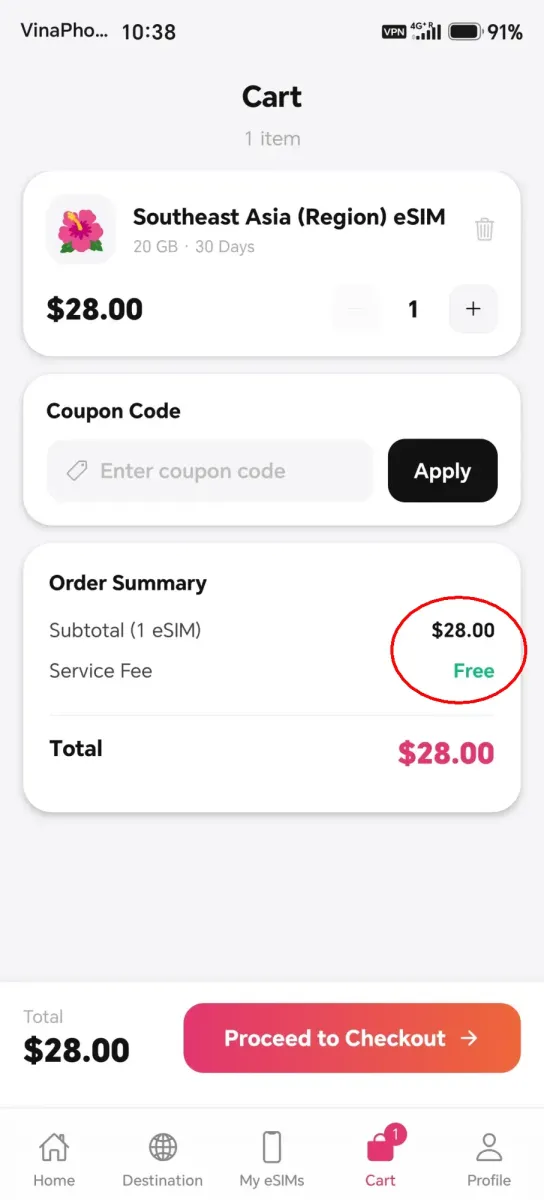
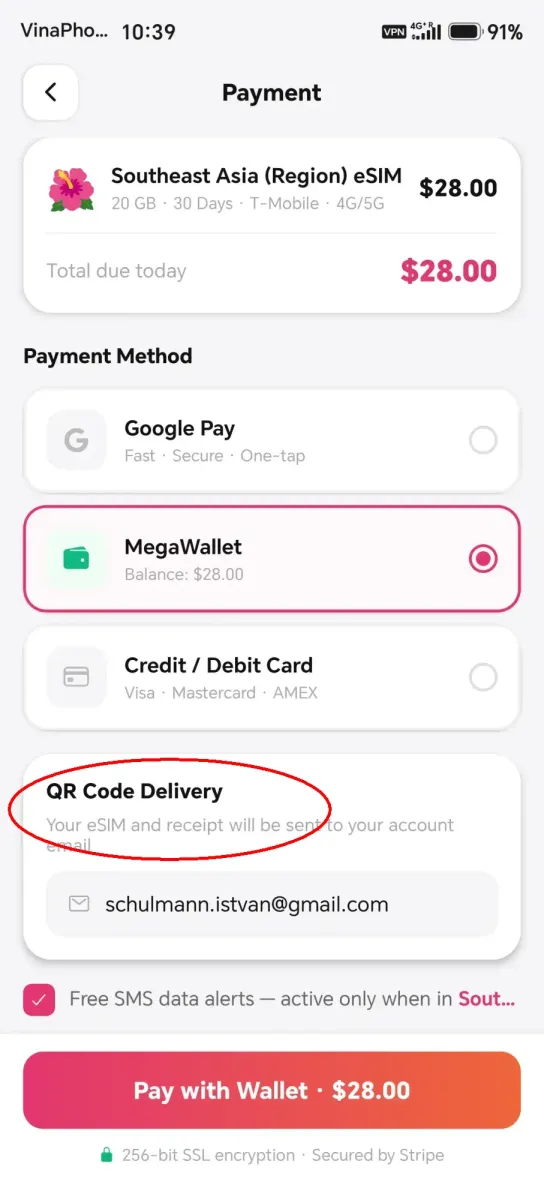
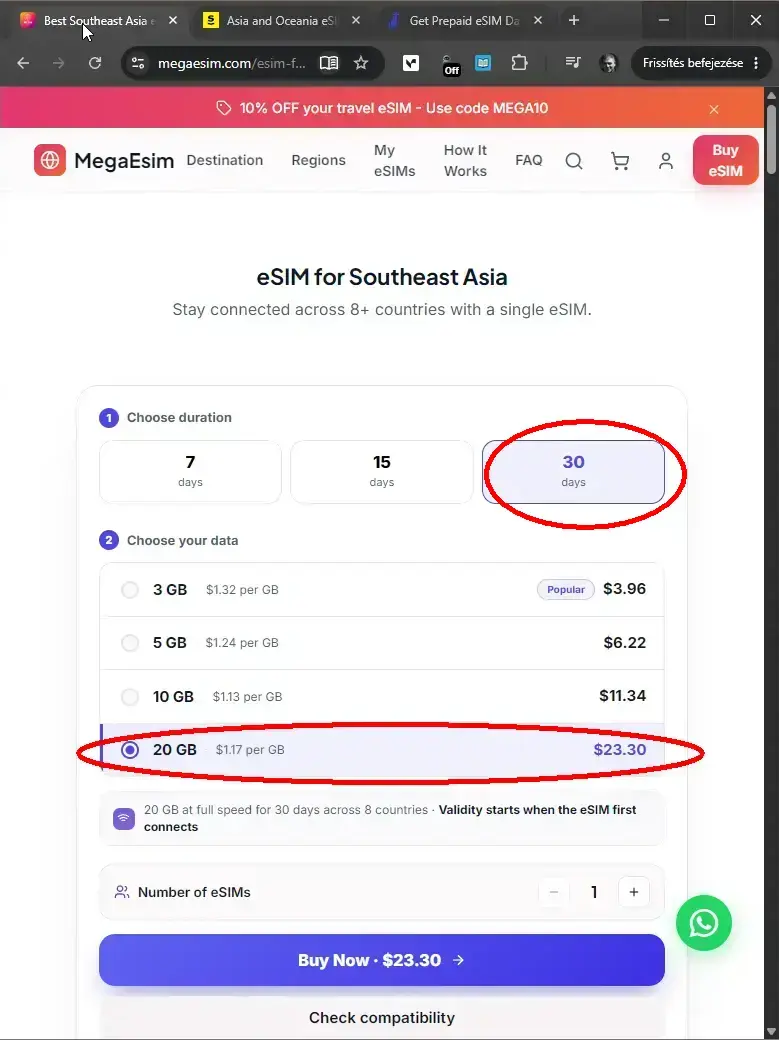
For 28 USD, I got a 20 GB data plan valid for 30 days. Here is how the 30-day/20 GB limit works:
Either I use up the full 20 GB—which could happen in just a few days—at which point the service stops working; or the 30-day period ends, and the service ceases to function, regardless of how much of the 20 GB allowance remains.
From past experience, I knew that 20 GB would be more than enough—I wouldn’t use that much in 30 days. And that’s exactly how it turned out: at the end of the first month, I still had 8.7 GB left in my plan, meaning I had used 11.3 GB. I should add that I used the service in situations where I otherwise wouldn’t have—simply because I wanted to enjoy the reliable connection in as many places as possible.
Given my usage habits, this provided more than enough data. For some, a 20 GB plan might even be insufficient; I cannot judge this within the scope of my test.
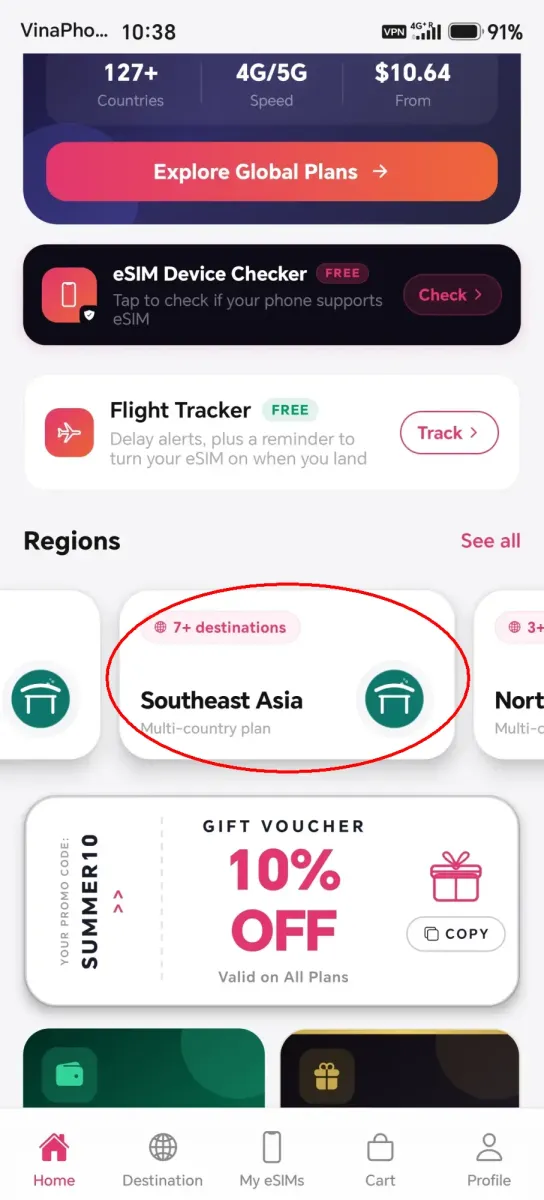
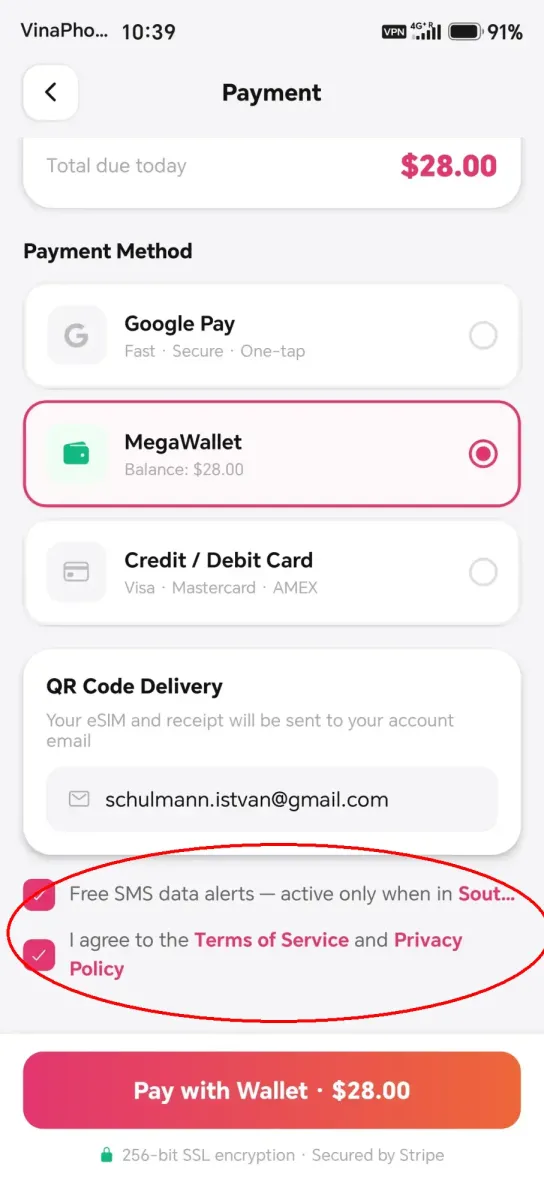
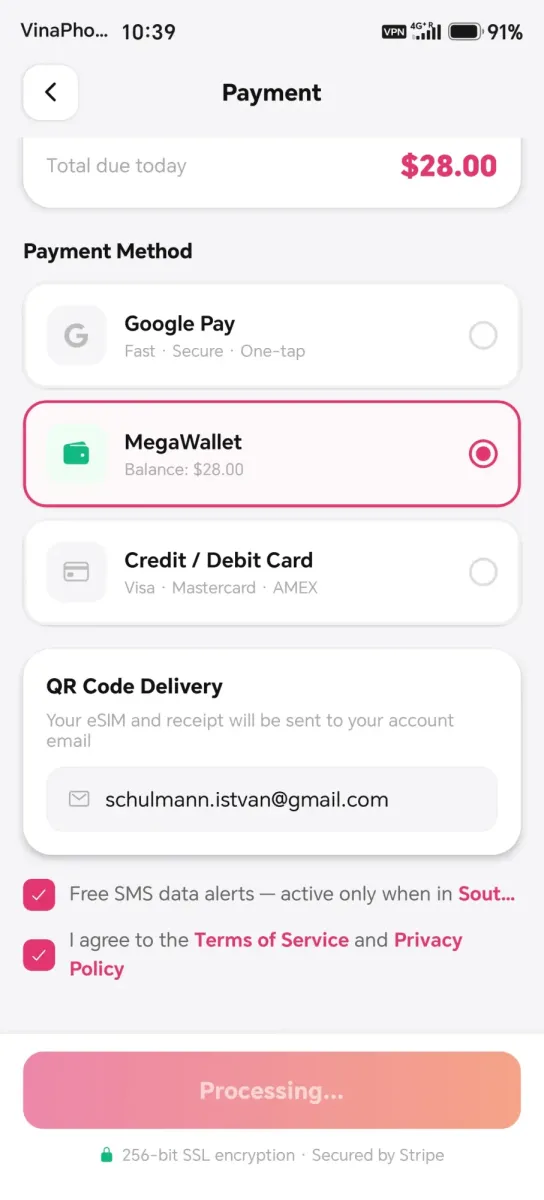
A few images of the installation.
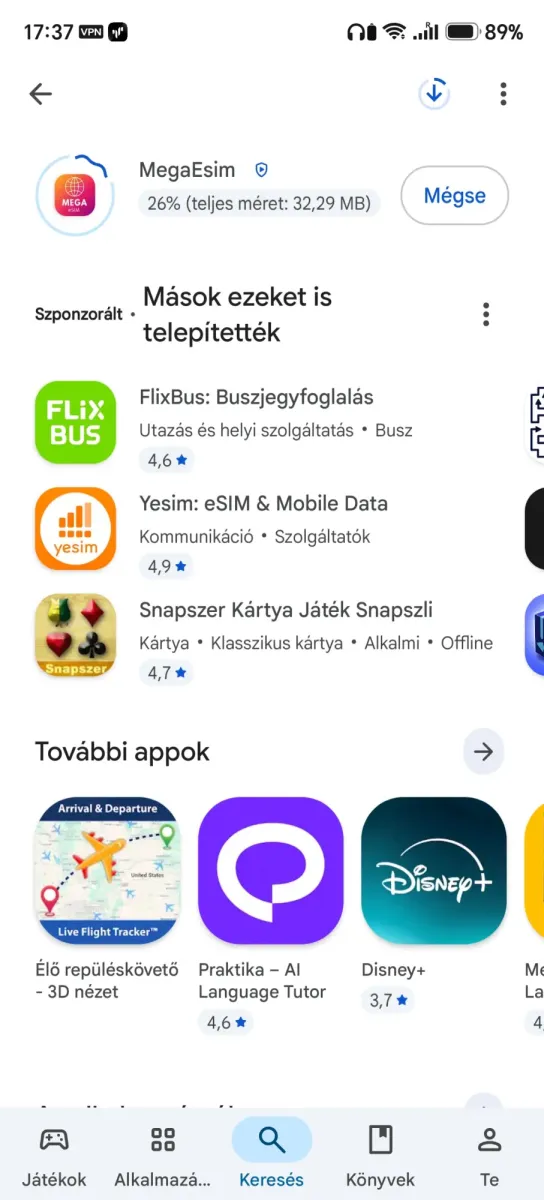
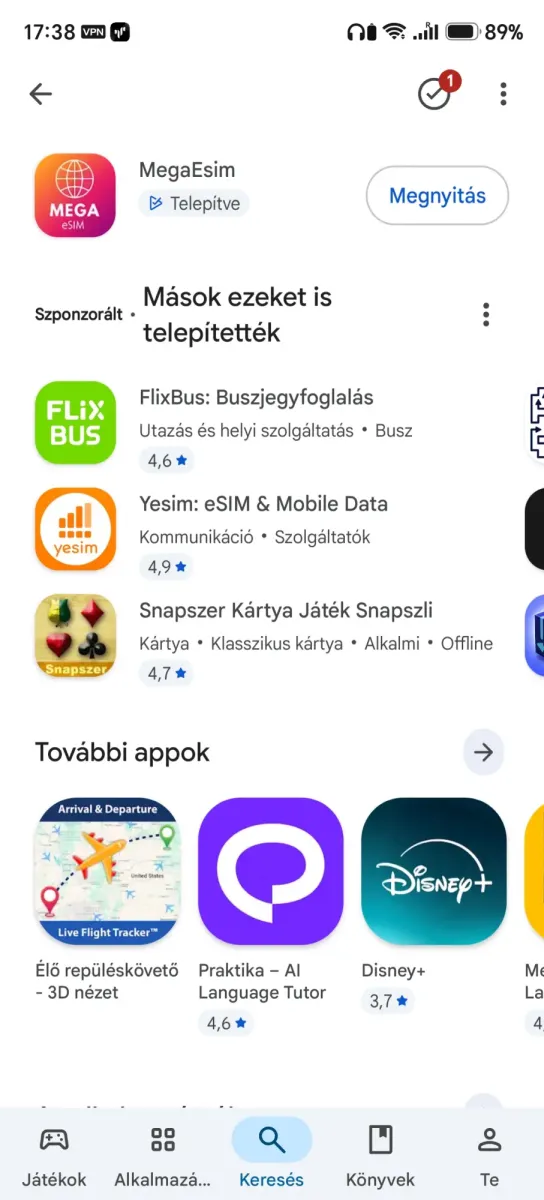
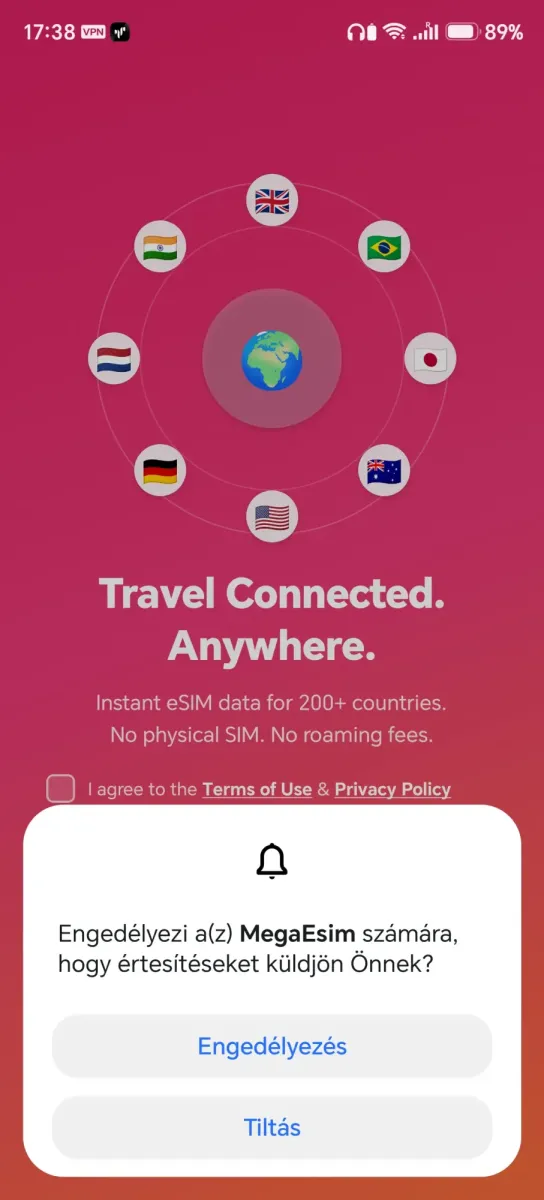
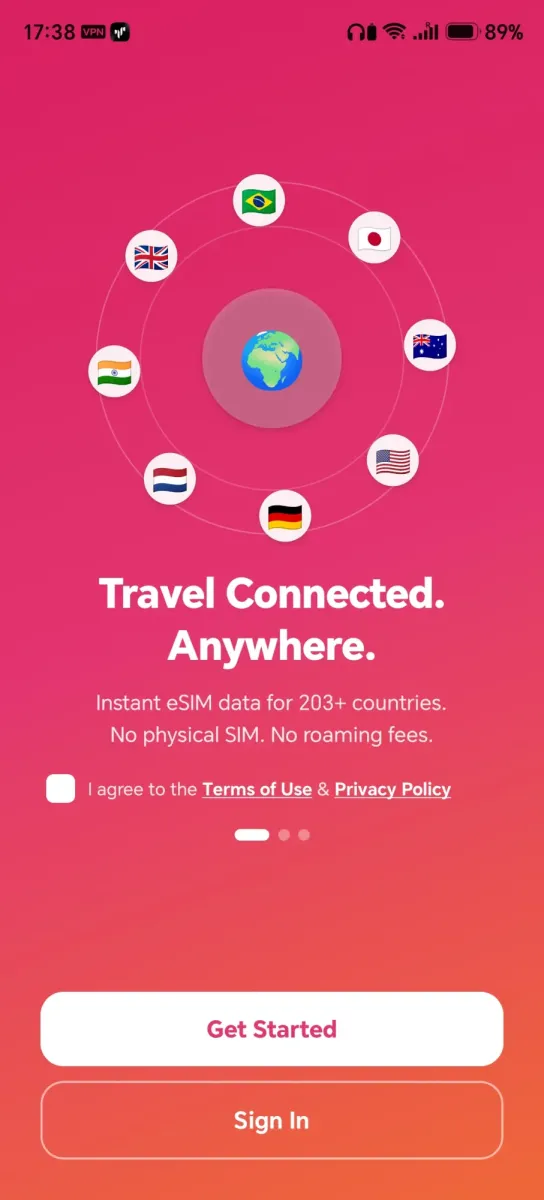
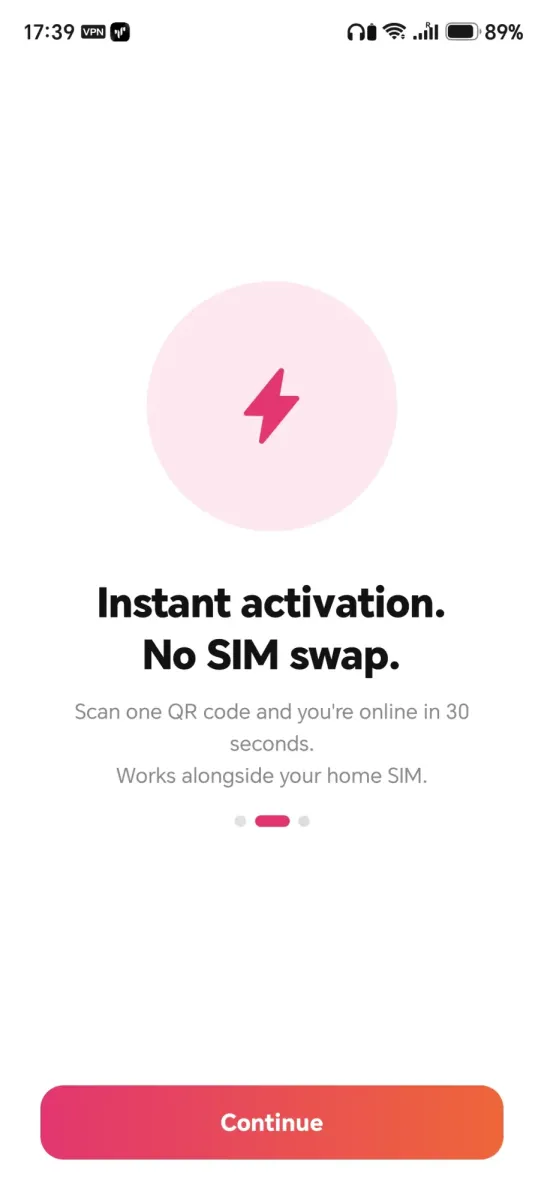
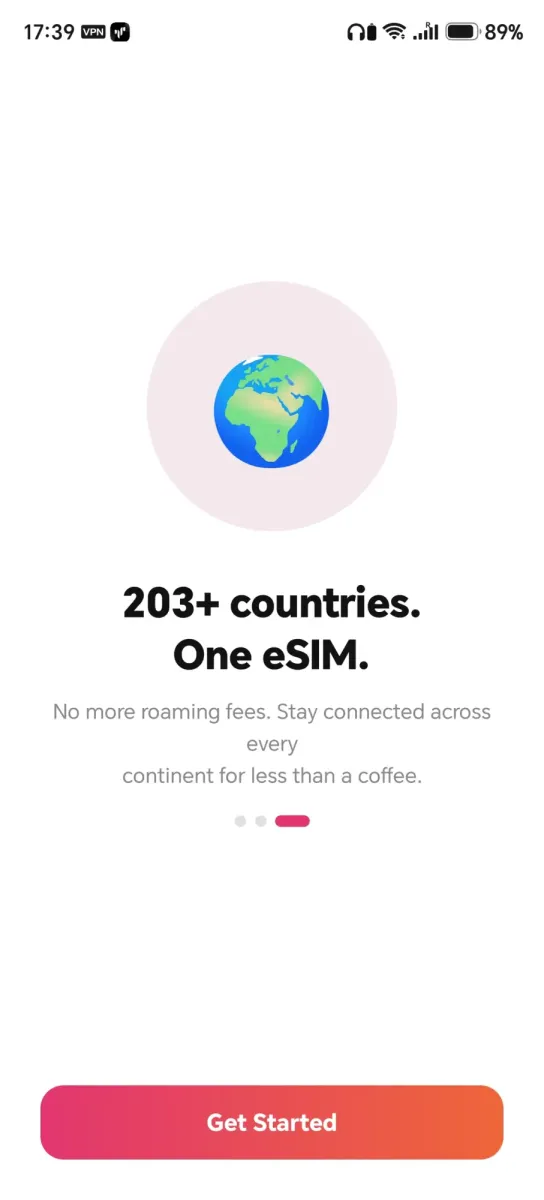
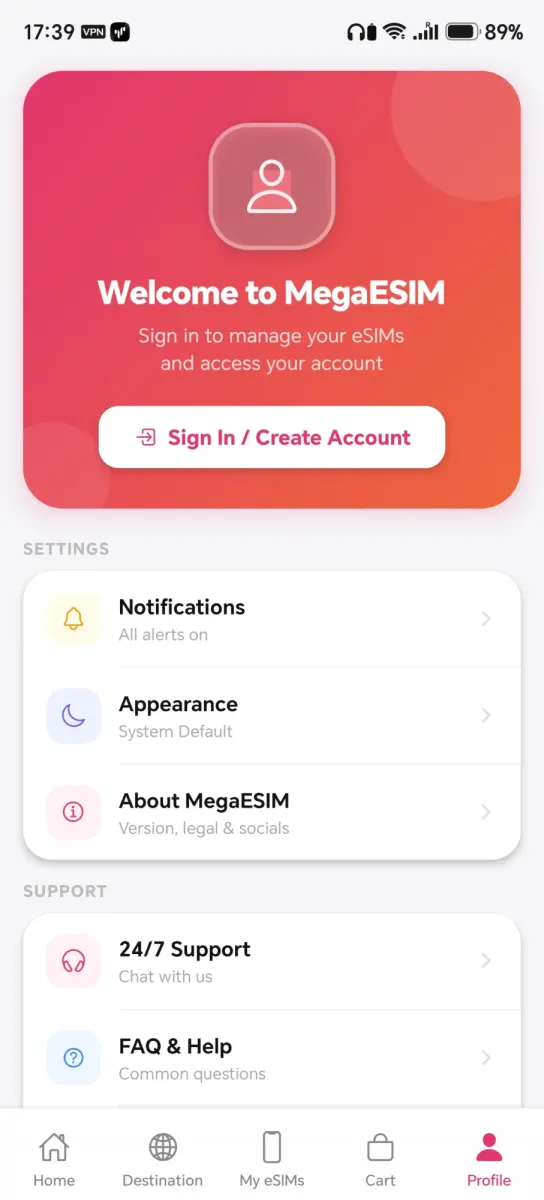
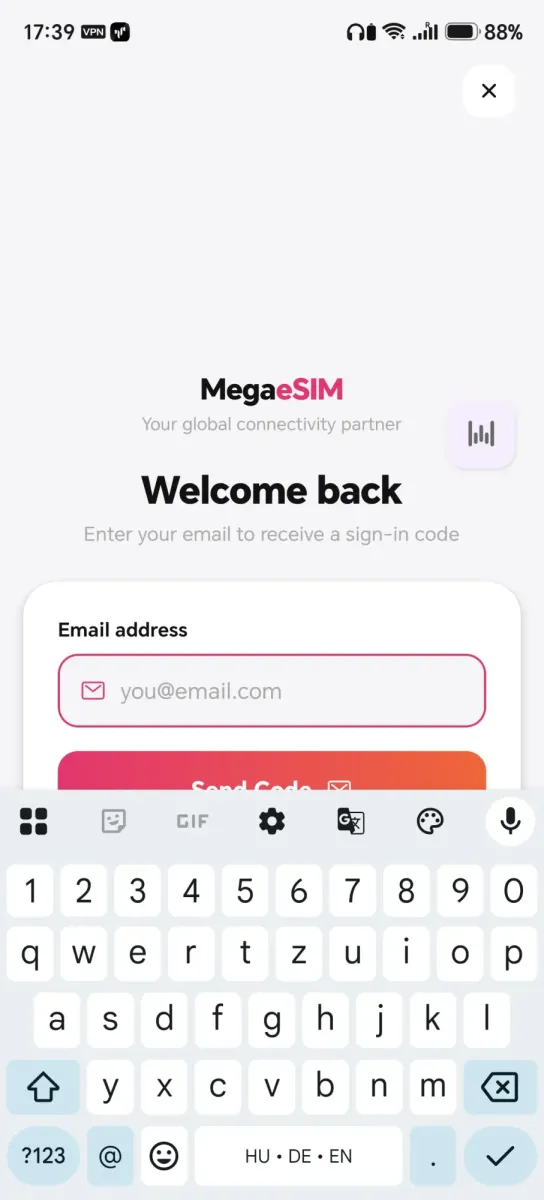
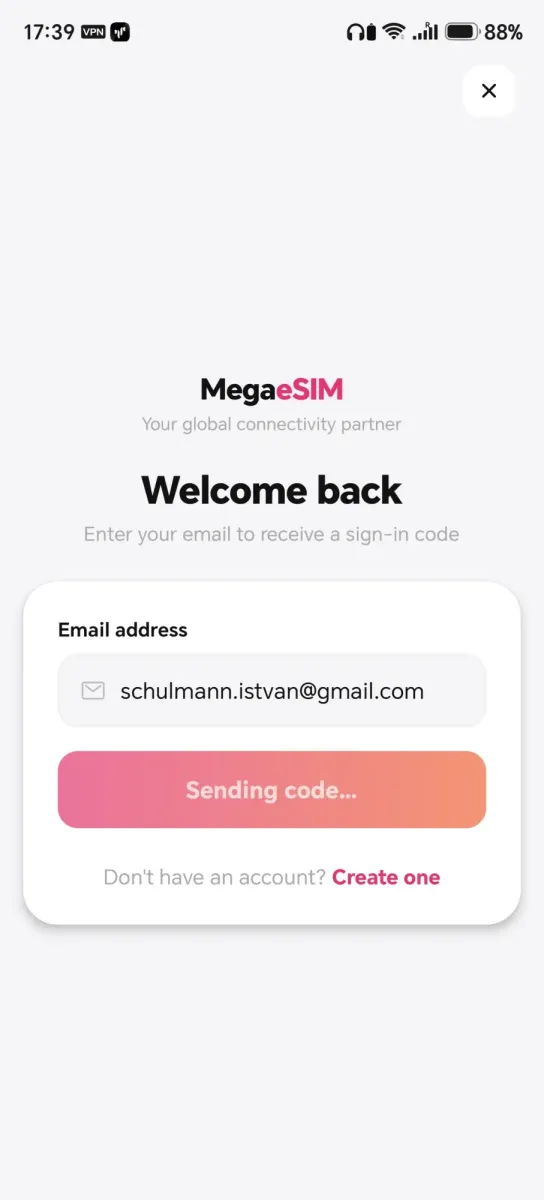
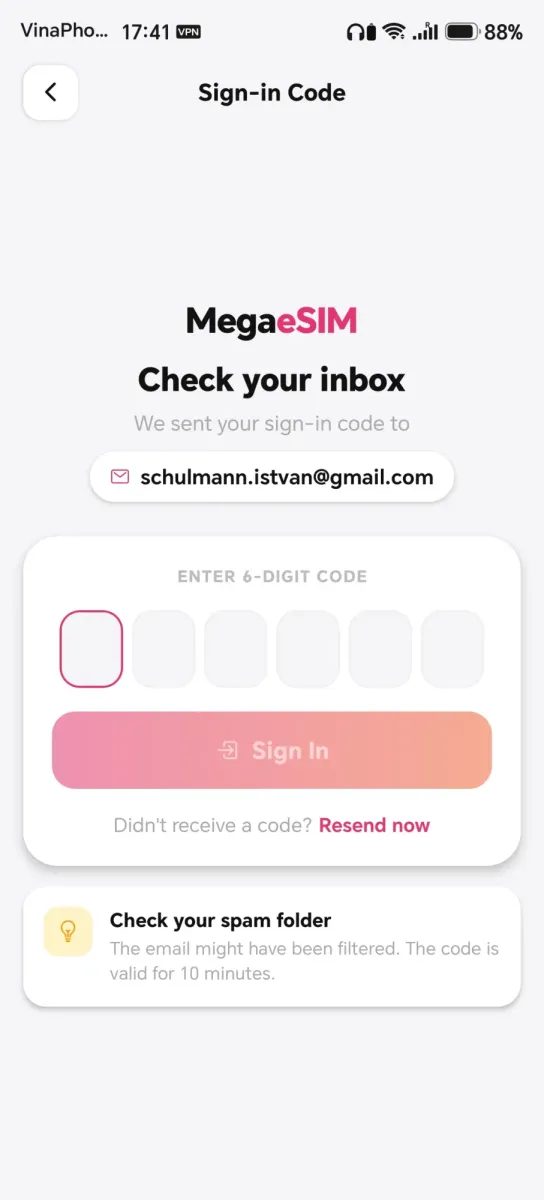
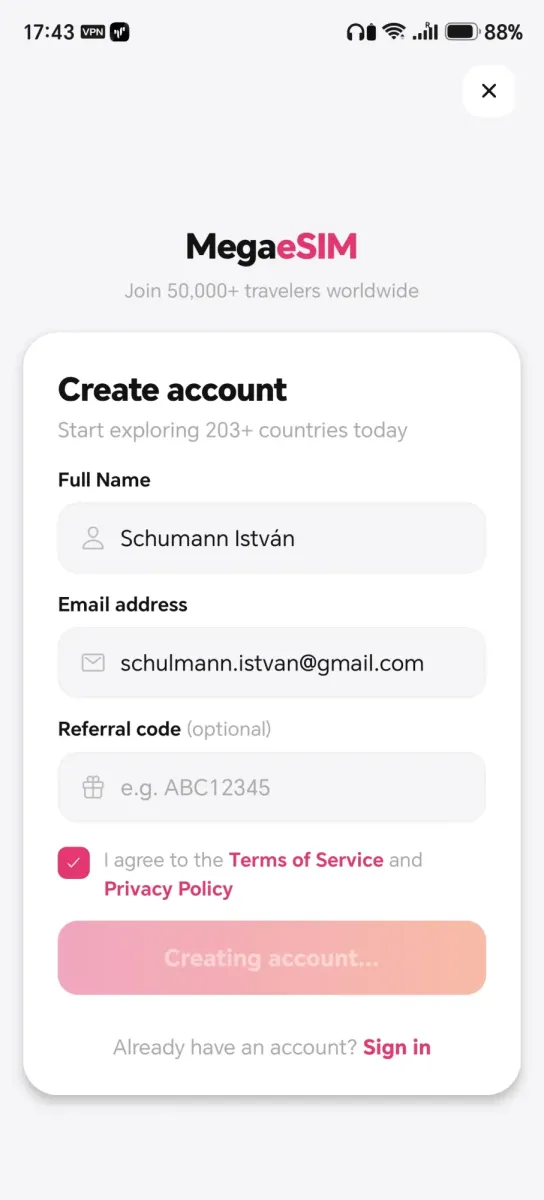
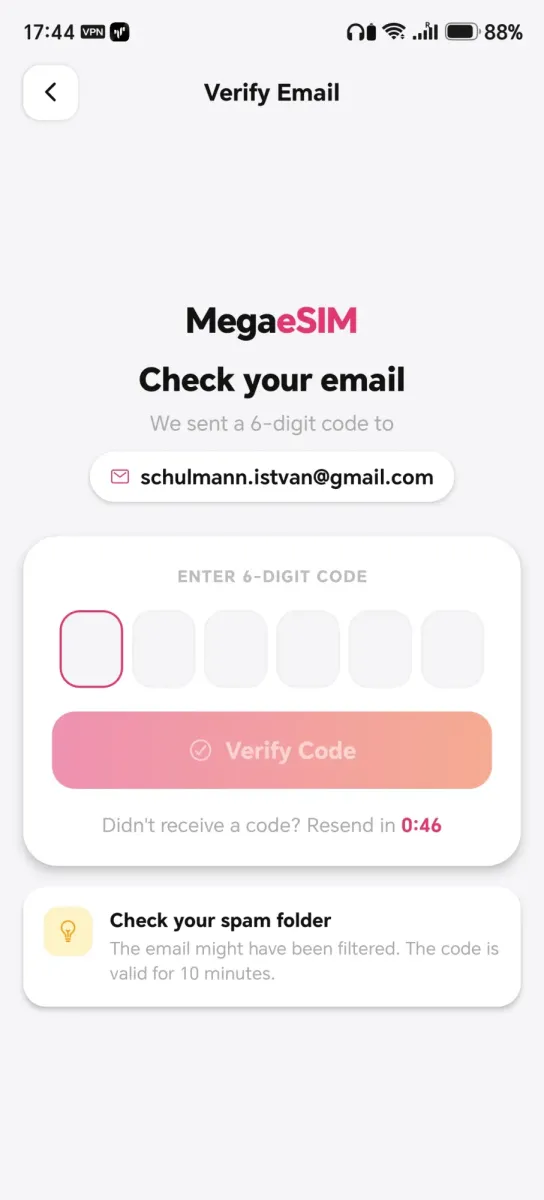
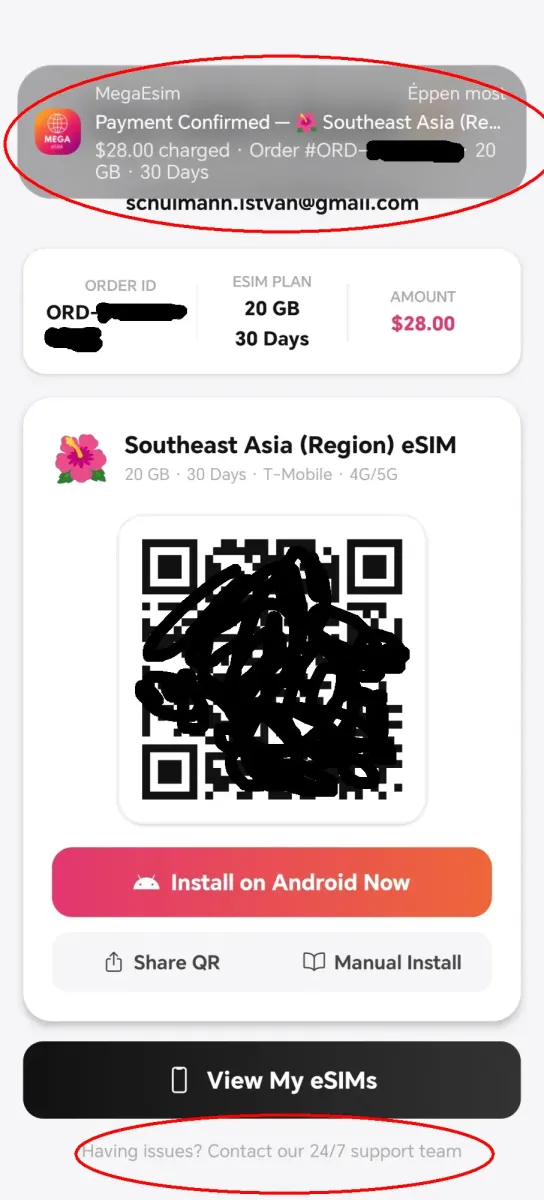
Setting up the eSIM was also a routine task.
Had I not done this before, the app would have provided plenty of guidance.
I particularly appreciated that the app provided a QR code for the installation, allowing the system to get up and running after just a few simple steps.
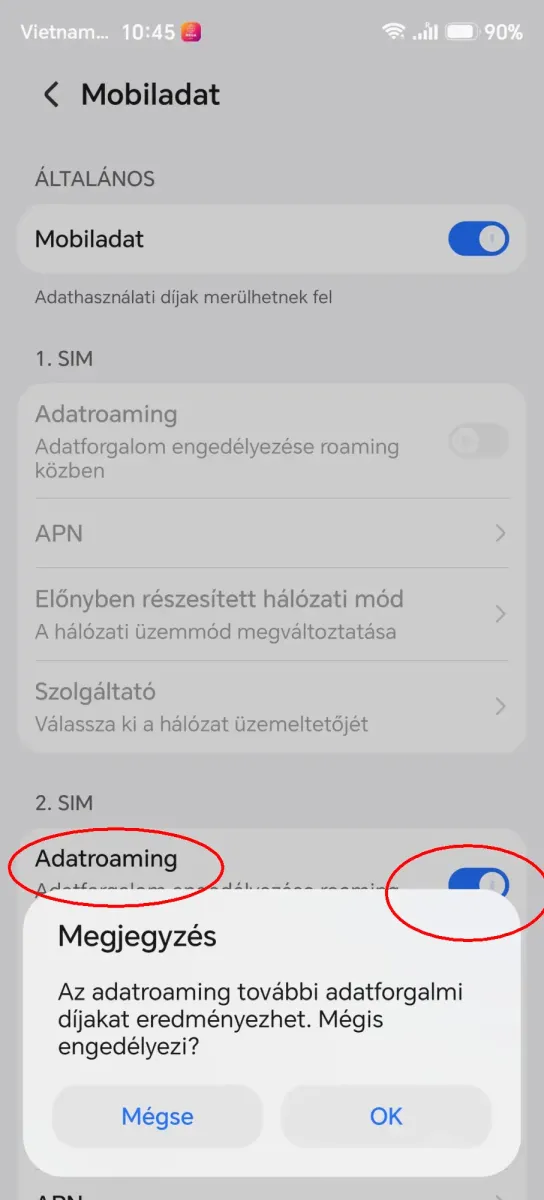
When using eSIMs, it is explicitly noted—and I’ll mention it here, too—that data roaming must be enabled after installation. Once I did that, everything was ready to go.
I turned off Wi-Fi and was immediately able to enjoy a digital nomad lifestyle, independent of Wi-Fi.
It is important to note that the validity period begins not at the time of installation, but from the moment of the first successful network connection. This means you can safely install the service days before you actually intend to use it. I have done exactly this on previous occasions with various providers.
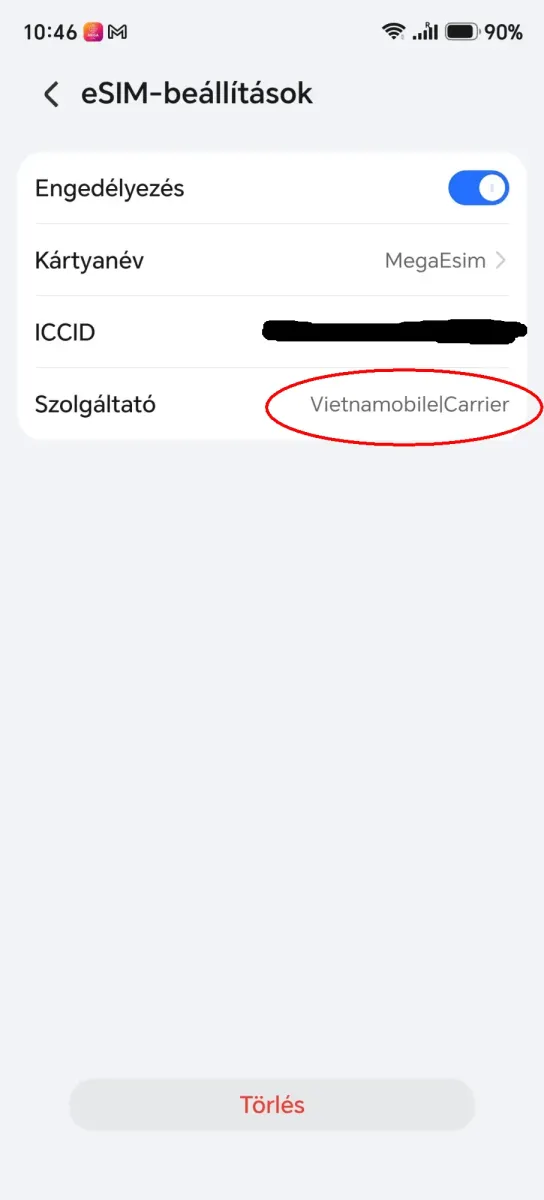
Here are a few images of the installation process.

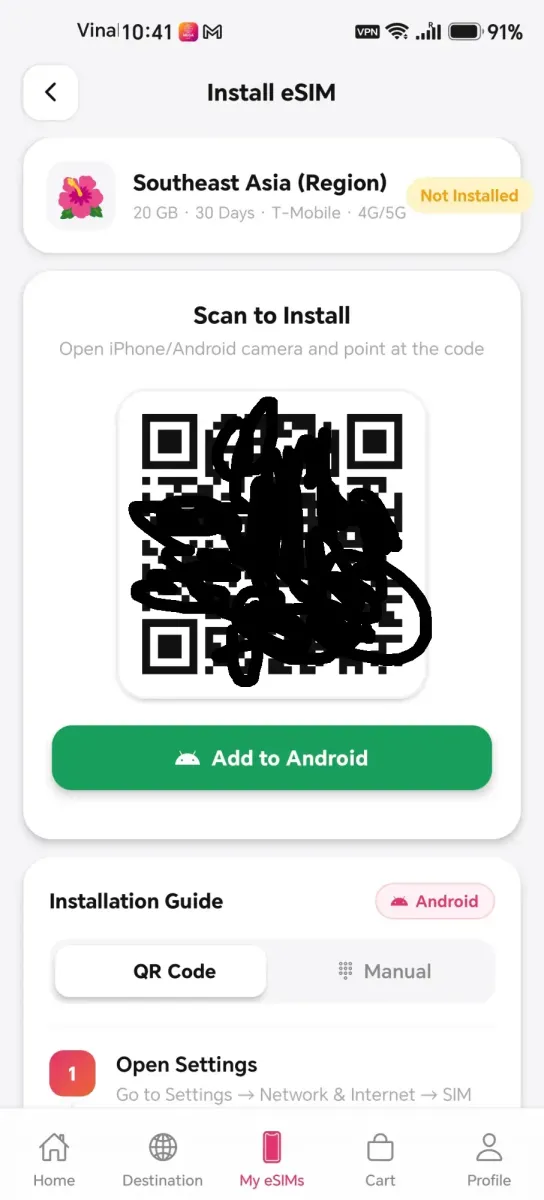
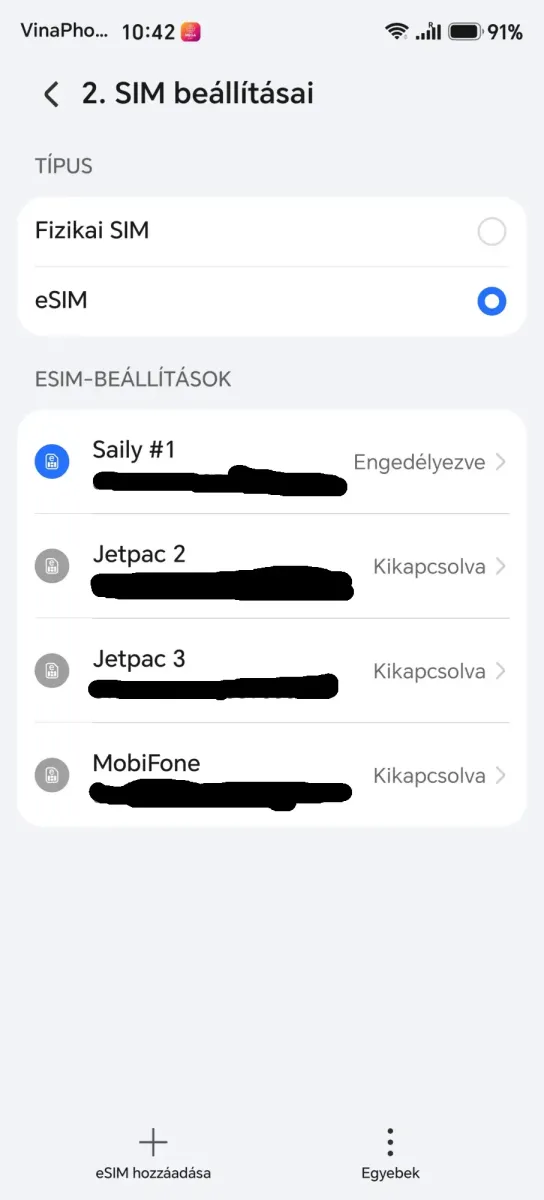
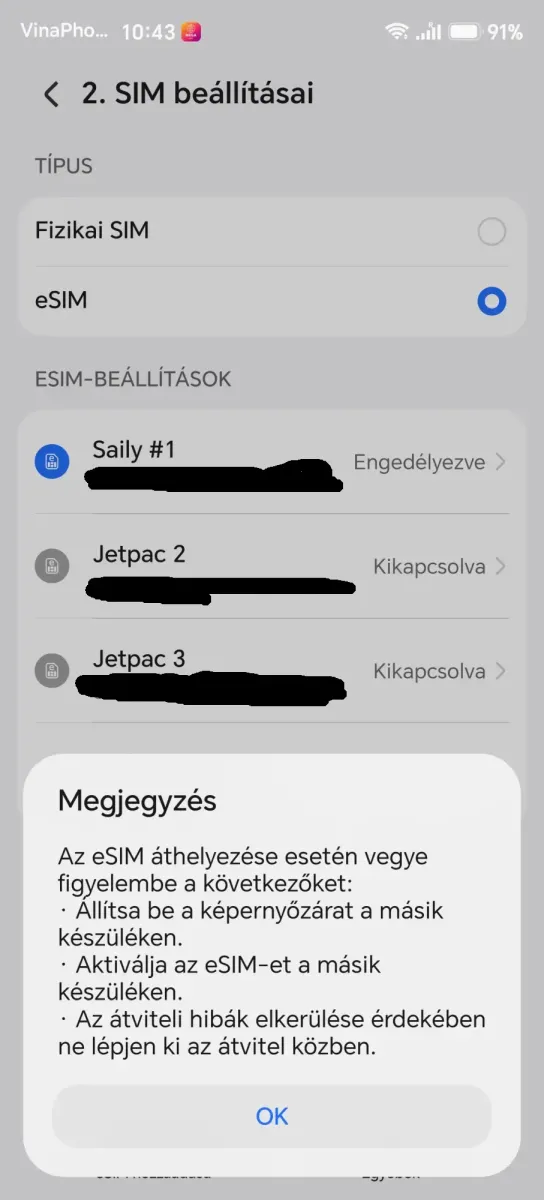
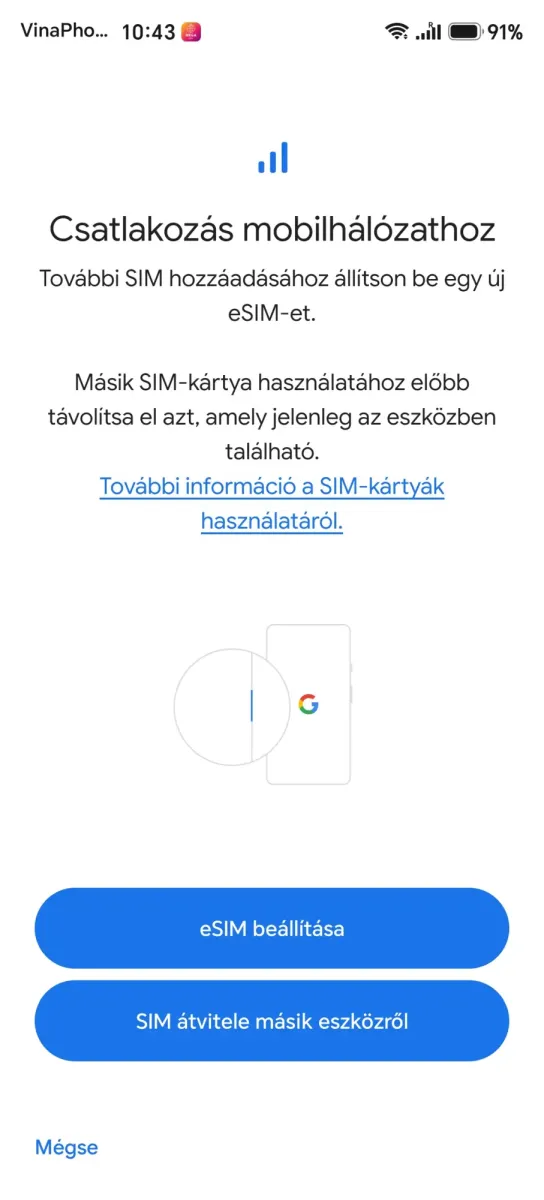
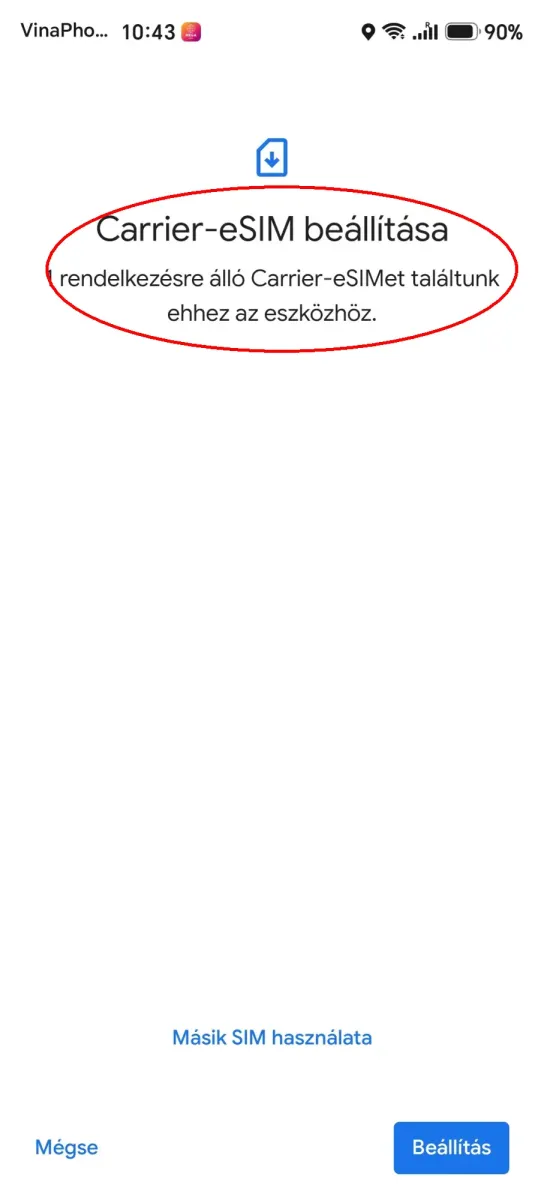
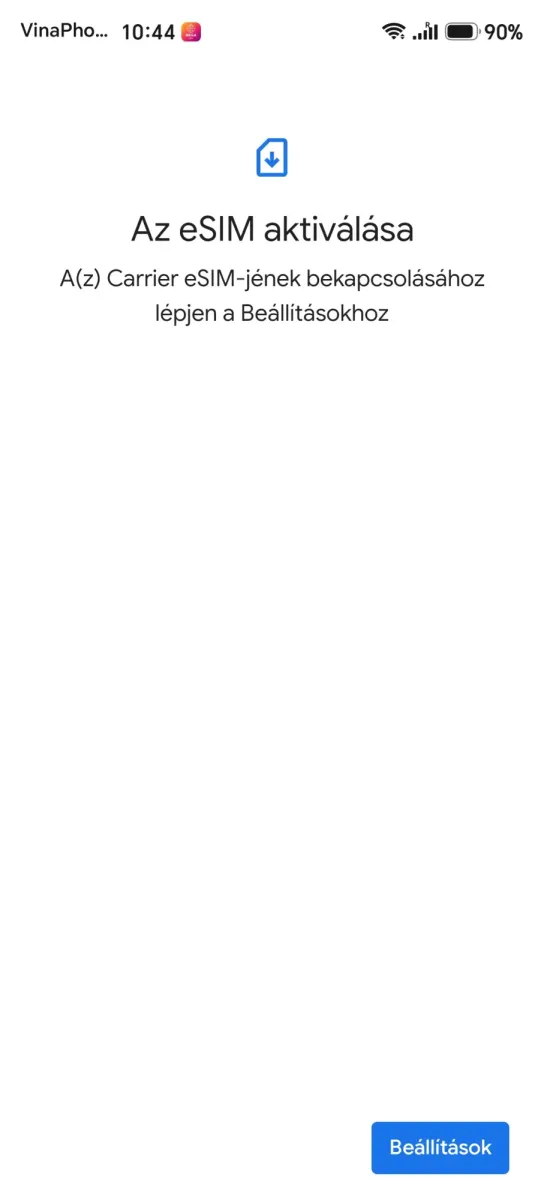
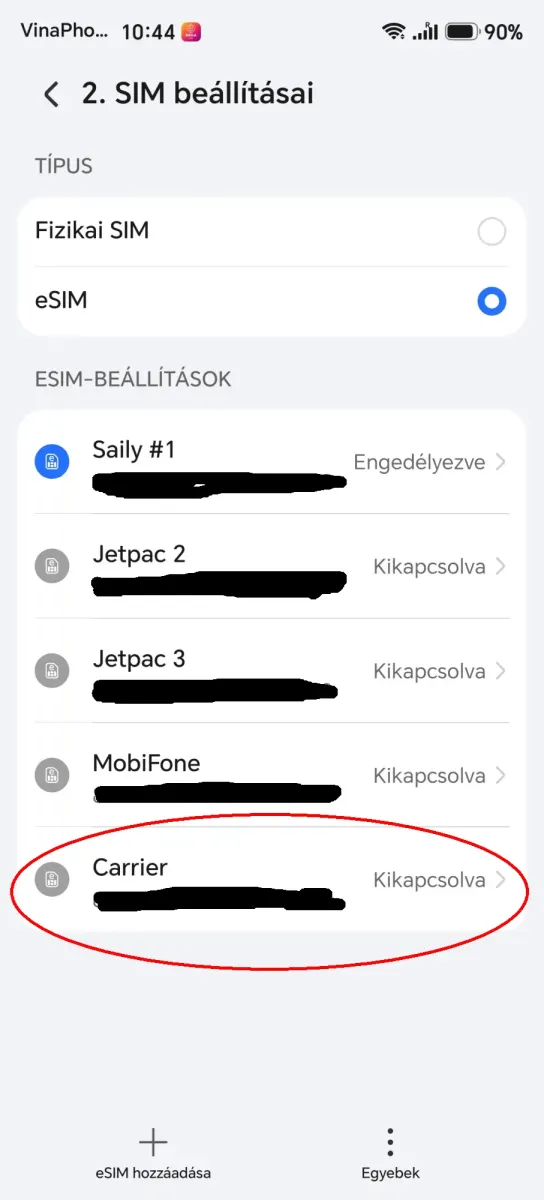
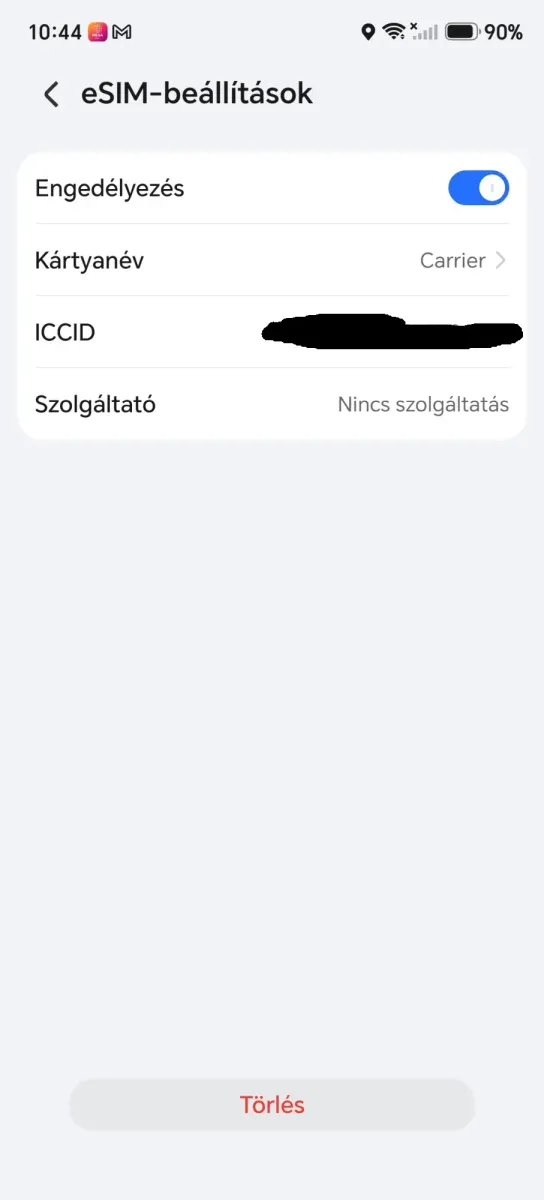
I used the new service for a total of three days in Vietnam.
I can say that our “friendship” began right there. Wherever I went in Saigon, I had a stable and fast connection to the world. While other providers might offer the same, any slight apprehension I had about the test vanished in an instant. It didn’t let me down—a great start.
At Highlands Café—where I had been working daily for two weeks—there was a peculiar quirk: the Wi-Fi didn’t work well in certain parts of the building, such as on the terrace. During those few days, I didn’t have to struggle with the Wi-Fi connection while getting my work done.
Another place where I really appreciated the benefits of MegaEsim was my bed at the hostel. Previously, I hadn’t been able to maintain a stable connection there—neither via the local Wi-Fi nor through my former eSIM provider. After switching, that problem disappeared, too.
After four months in Saigon, my journey took me toward the Cambodian border. Contrary to my usual habits, I stayed online during the trip—just to see if the connection remained stable everywhere. I enjoyed the service without a single hitch the entire way.
All that remained was the border crossing.
Life presented a perfect testing scenario.
I managed to cross the two borders relatively quickly, bidding farewell to Vietnam and happily setting foot on Cambodian soil.
Just as I boarded the bus, my younger brother called. Being near the border—specifically at the border crossing—a call like this wouldn’t necessarily prove that everything was working perfectly. But the bus departed within minutes, and we were already well into Cambodia by the time we hung up.
The test was a complete success. I didn’t notice any disruption whatsoever from having crossed into another country. There wasn’t a single moment of interruption during the call. I didn’t have to restart my phone or toggle airplane mode. I wasn’t left stranded in a foreign country without any connectivity. Even in the most remote fishing village district of Kampot, I maintained a solid connection.
Over the next four weeks, I traveled across Cambodia—from east to west, then from south to north—and had stable, high-speed internet everywhere I went. At my hostel in Sihanoukville, I had to rely on my eSIM constantly; while the Wi-Fi on the terrace worked fine, Messenger kept glitching. MegaEsim, however, remained rock-solid, weathering the “storm” of my conversations.
As it turned out, I was able to conduct one more test in Cambodia: a trip to the island of Koh Rong Sanloem—complete with a seamless journey and a stable internet connection. Surprisingly, the internet worked flawlessly not only on the island but even on the boat—both on the way there and on the way back. I admit I wasn’t glued to my phone the whole time, but whenever I did test the connection, there was always a signal.
We also successfully conquered Cambodia using MegaEsim. All that remained was Thailand.
I arrived in Phuket from Siem Reap, taking two flights.
This provided a fortunate opportunity to test the service: after so much time spent on buses and boats, I could now experience it in an airport environment as well.
The airport is located 40 km from Siem Reap, in the middle of nowhere. Even there, I was able to connect to the network without any issues. When the plane took off, I switched my phone to airplane mode—as required by regulations—and waited until I could turn it back on in Bangkok.
I was a bit excited, so—contrary to the rules—I disabled airplane mode while the plane was still taxiing. I let out a sigh, and my phone immediately began flooding with messages.
Switching to a second country posed no problem for MegaEsim.
Neither did the second flight. By the time I arrived in Phuket, even that slight bit of excitement had faded. Everything worked perfectly. I spent 8 nights on the island. I took several walks along the beach—one of them 5 km long—and had internet access the entire time.
Five days ago, I arrived on another famous Thai island: Koh Samui. This is where my life in Asia began 14 months ago. I remember arriving on the island back then—standing at the airport with no internet and no airport Wi-Fi. I couldn’t look up the address I needed to go to, and I couldn’t make any calls. My only stroke of luck was that there was Wi-Fi in the taxi, so once we set off, I was able to let people know where I was actually heading.
This time, my arrival was different—both in terms of how I traveled (by boat) and the fact that I had a stable connection. It was so stable, in fact, that I had internet access the entire way—from Surat Thani all the way to the island of Koh Samui.
I have visited three countries using MegaEsim, spending time on three different islands along the way. I traveled hundreds of kilometers by bus, boat, and plane. I weathered several severe storms during the rainy season, as well as power outages that affected entire neighborhoods.
I remained reachable everywhere. I could watch a YouTube video whenever I wanted, no matter where I was.
I am very satisfied with this provider!
Throughout my review, I frequently use terms like “stable,” “fast,” and “it worked everywhere.” I didn’t conduct any formal speed tests; rather, I evaluated the connection based on my everyday experience—using it for work, communication, and the routine watching and uploading of videos.
MegaEsim is the fourth eSIM provider I have used in the span of 14 months.
I should mention the issues I encountered previously, to provide context for the fact that, this time, I experienced no problems at all.
JetPac was the first one I used. It worked well in Thailand, Indonesia, and then in Thailand again. However, when I traveled from Thailand to Laos, it really let me down. After crossing the border, my Thai plan stopped working, but the Laotian one hadn’t kicked in yet. This was a serious issue, as I didn’t even know which way to go to reach the city—I couldn’t even order a taxi. Fortunately, two young women asked if I wanted to share a taxi, which saved me from the predicament.
In fairness, I should note that I was using a single-country plan back then, as opposed to the regional plan I’m using now. For the sake of this review, it’s worth mentioning that these issues might not have occurred with a regional plan—though I’ll never know for sure.
Another major issue with JetPac arose in Vietnam. It simply didn’t work in the Ninh Binh area. After two days of struggling, I managed to get it working somehow, but it only lasted for a few hours; after that, I was never able to connect to the internet through it again.
That was when I switched to my second provider, Saily. I eventually replaced Saily with MegaEsim, making the latter my third provider. Saily performed reliably throughout my time in Vietnam. I had another issue as well. My visit to China lasted six days—a trip I took specifically so I could apply for a new Vietnamese visa. Throughout that time, the internet in China was a constant headache. Eventually, I gave up on the exhausting battle of toggling between Chinese Wi-Fi and a VPN. I started using Saily for my daily work—and it cost me an absolute fortune. Clearly, these eSIM solutions aren’t designed to serve as a primary, stable internet connection for work. Or maybe they just aren’t up to the task. In any case, I wasn’t happy about the extra expenses.
With Saily, there was one instance where I had to fiddle with APN settings, guided by an AI customer support bot. It was an agonizing experience. I went through the exact same ordeal with Saily in Ninh Binh, but to no avail.
With MegaEsim, I haven’t had to deal with any such hassle over the past month and a half.
The fourth provider was a free, state-run option in Vietnam. I installed it on my phone, but I couldn’t get it to work for even a single second. It was a complete waste of time.
This will be a straightforward section.
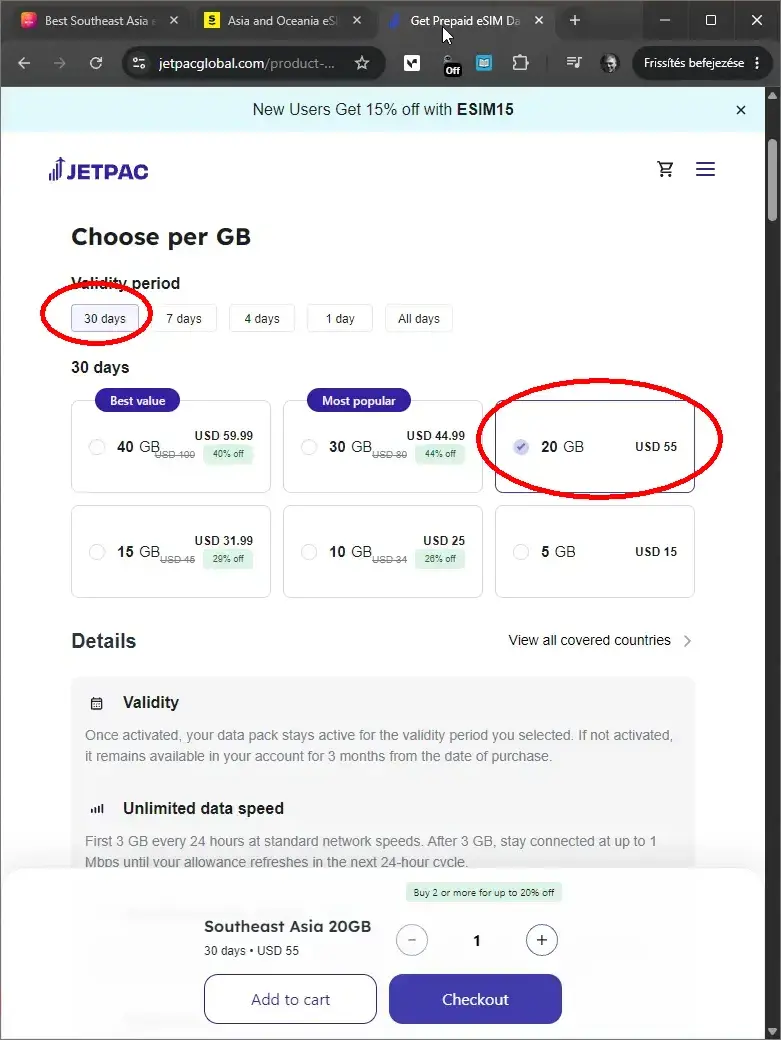
20 GB, 30 days—let’s look at the numbers. Prices reflect data available as of October 30, 2026.
MegaEsim 23.30 USD
JetPac 55.00 USD
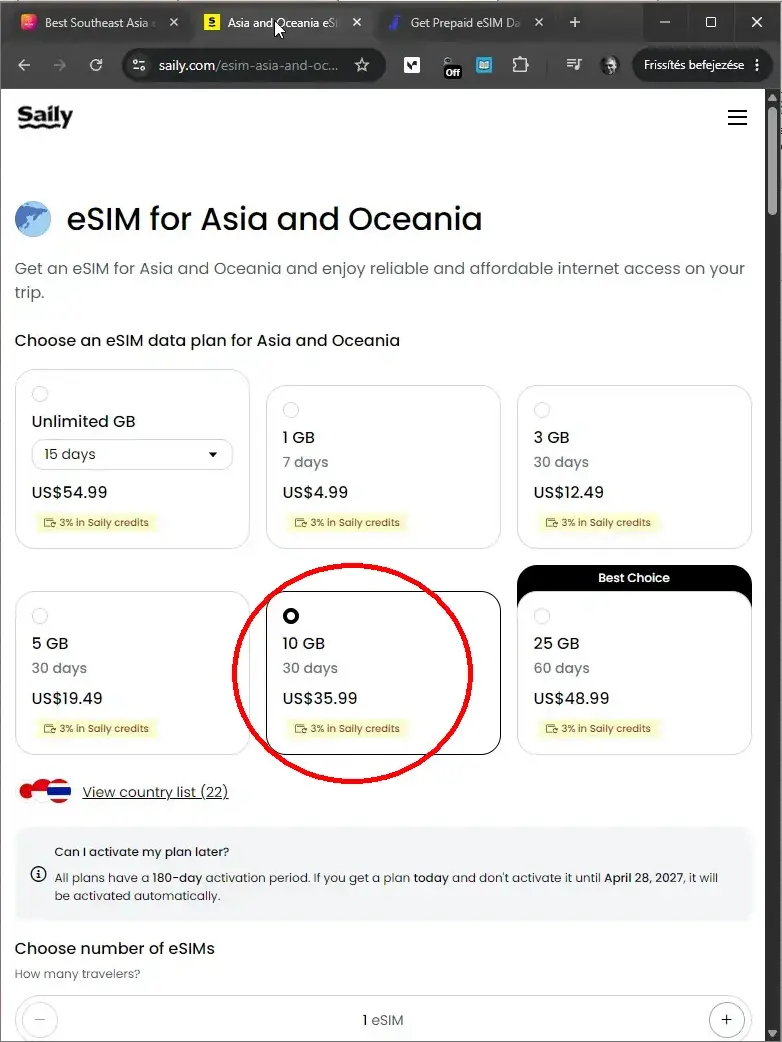
Saily approx. 40 USD*
* I use “approx.” because Saily offers a 10 GB/30-day plan for 35.99 USD and a 25 GB/60-day plan for 48.99 USD.
Country coverage for each provider:
MegaEsim: Thailand, Cambodia, Philippines, Vietnam, Indonesia, Malaysia, Laos, East Timor
JetPac: Thailand, Cambodia, Philippines, Vietnam, Indonesia, Malaysia, Singapore
Saily: Thailand, Cambodia, Philippines, Vietnam, Indonesia, Malaysia, Laos, Singapore
As you can see, the coverage for these regional plans is nearly identical; the lists match up until Malaysia. Compared to the other two providers, MegaEsim is missing only Singapore—though it is the only one that includes East Timor.
For the sake of accuracy: Saily’s plan also includes other countries in Asia and Oceania (as they do not offer a specific Southeast Asia plan), but I have excluded these from this comparison. The package also includes the following countries: Australia, Bangladesh, China, Hong Kong, India, Japan, Kazakhstan, Macau, New Zealand, Pakistan, South Korea, Sri Lanka, Taiwan, and Uzbekistan.
While the contents and geographical coverage of the packages may vary slightly, this comparison is provided for informational purposes only.
Nevertheless, I would say that the winner of the price war is MegaEsim…
I encountered one oddity along the way.
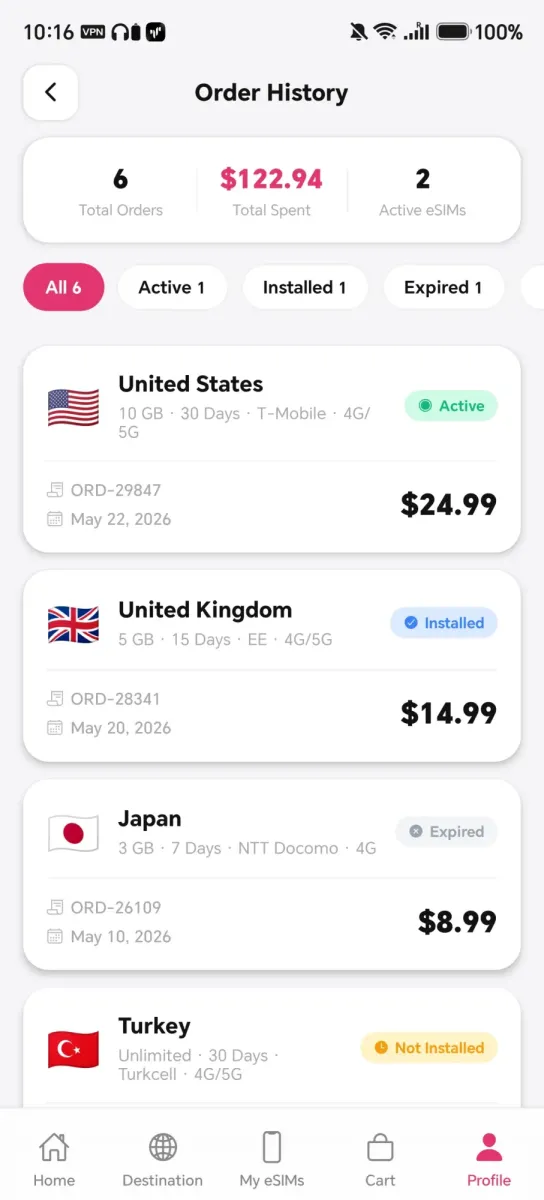
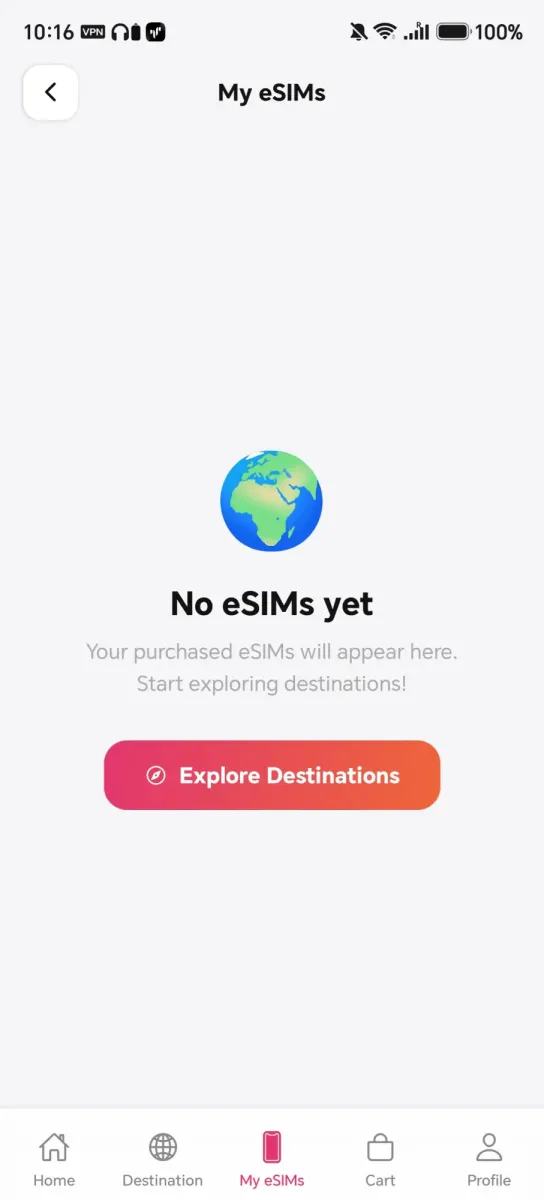
At one point, the connection was lost. The internet became unavailable until I restarted my phone. Before doing so, however, I checked the application.
That’s when account details appeared in the app that certainly didn’t belong to me—records of past purchases I can, for now, only dream of: America, Japan… It’s important to note that I wasn’t seeing another customer’s real data; rather, I was seeing sample orders that had been included in the application during its development.
I reported the issue to the founder of MegaEsim, providing screenshots and the exact time to help them identify it.
I received a response about an hour later. The problem was caused by a default developer setting, which resulted in hardcoded test data appearing in the system whenever there was no internet connection.
The fix was already live by then, and it reached my device once I fully closed and restarted the application.
I received a warm thank you for my detailed report. The gratitude is mutual, as the response was both professional and prompt. Plus, it’s nice to know I was able to contribute something to the system.
A quick word once more about the support I received from MegaEsim.
Two 20 GB regional Southeast Asia packages.
As previously agreed, once the first package stopped working (after the 30-day period expired), I sent an email to the founder, and the new credit was provided immediately.
Everything went exactly as discussed. I am grateful for the opportunity to have conducted such a fantastic test.
If you’d like to support me, please make your purchase via this link. I’ll have a coffee to your health!
Buy me a coffee?

If you enjoyed this story, you can buy me a coffee. You don’t have to – but it means a lot and I always turn it into a new adventure.
Buy a coffee for Steve
 Linktree
 Short introduction